

Iran’s Supreme Leader Acknowledges Mass Protest Deaths Amid Escalating Internal and External Tensions
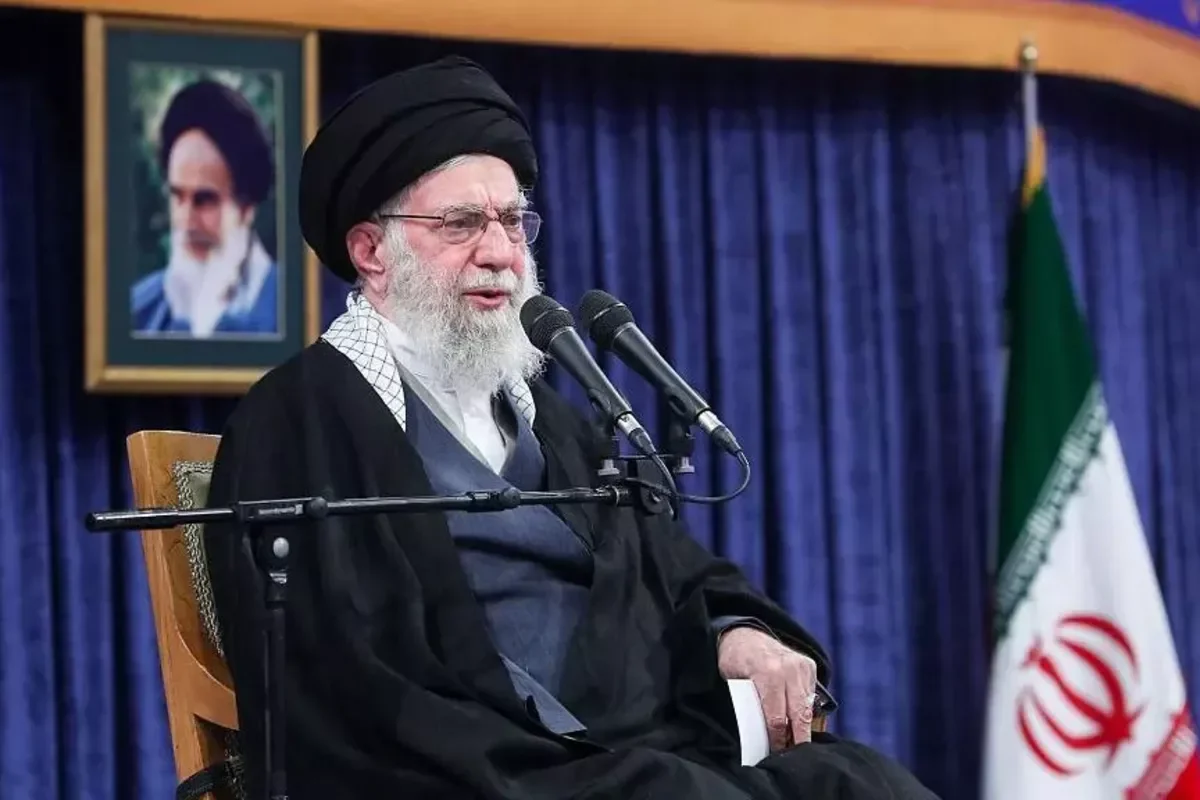
Source: The Caspian Post
Executive Summary
Iran’s Supreme Leader Ayatollah Ali Khamenei publicly acknowledged for the first time that thousands of people were killed during nationwide protests that erupted in late December 2025 over economic grievances. While Khamenei attributed the deaths to “seditionists” and foreign enemies, multiple independent and semi independent sources report vastly higher casualty figures, ranging from several thousand to more than 16,000 killed and hundreds of thousands injured. The unrest has coincided with a near total internet blackout, allegations of widespread use of military grade weapons against civilians, and rising tensions between Iran and the United States, including warnings of possible attacks on US bases and precautionary force movements in the region.
Analysis
Khamenei’s admission marks a significant rhetorical shift by Iran’s leadership, implicitly confirming the scale of violence while maintaining a narrative that deflects blame onto protesters and foreign actors.
Khamenei stated that “several thousands” were killed during the unrest, describing some deaths as occurring in an “inhuman, savage manner,” while blaming the United States and President Donald Trump for fomenting chaos and claiming protesters were acting as foreign proxies.
Human rights organizations such as HRANA estimate at least 3,090 deaths, while medical networks cited by The Sunday Times report up to 16,500 killed and approximately 330,000 to 360,000 injured, including widespread gunshot wounds and mass eye injuries consistent with pellet and live fire use.
Medical professionals communicating through smuggled Starlink terminals reported security forces using Kalashnikov rifles, machineguns mounted on vehicles, rooftop snipers, and deliberate targeting of heads and eyes, overwhelming hospitals and causing permanent blindness in hundreds to thousands of victims.
The Iranian government imposed a near total internet blackout from January 8 onward, reducing connectivity to roughly 2 percent of normal levels, severely limiting independent verification and facilitating large scale arrests estimated at over 20,000.
The unrest has also intensified regional and international risk. The US Department of State warned that Iran may be preparing options to target American bases, while President Trump publicly threatened overwhelming force if attacks occurred. A partial withdrawal of US and UK personnel from Al Udeid Air Base in Qatar was described as a precautionary measure. Conflicting public statements from Trump, including claims that killings had stopped and that executions were halted, highlight uncertainty and signaling rather than confirmed de escalation.
