

ISIS Editorial Uses US Rhetoric on Nigeria To Mobilize Support and Justify Expanded Operations in Africa
Executive Summary
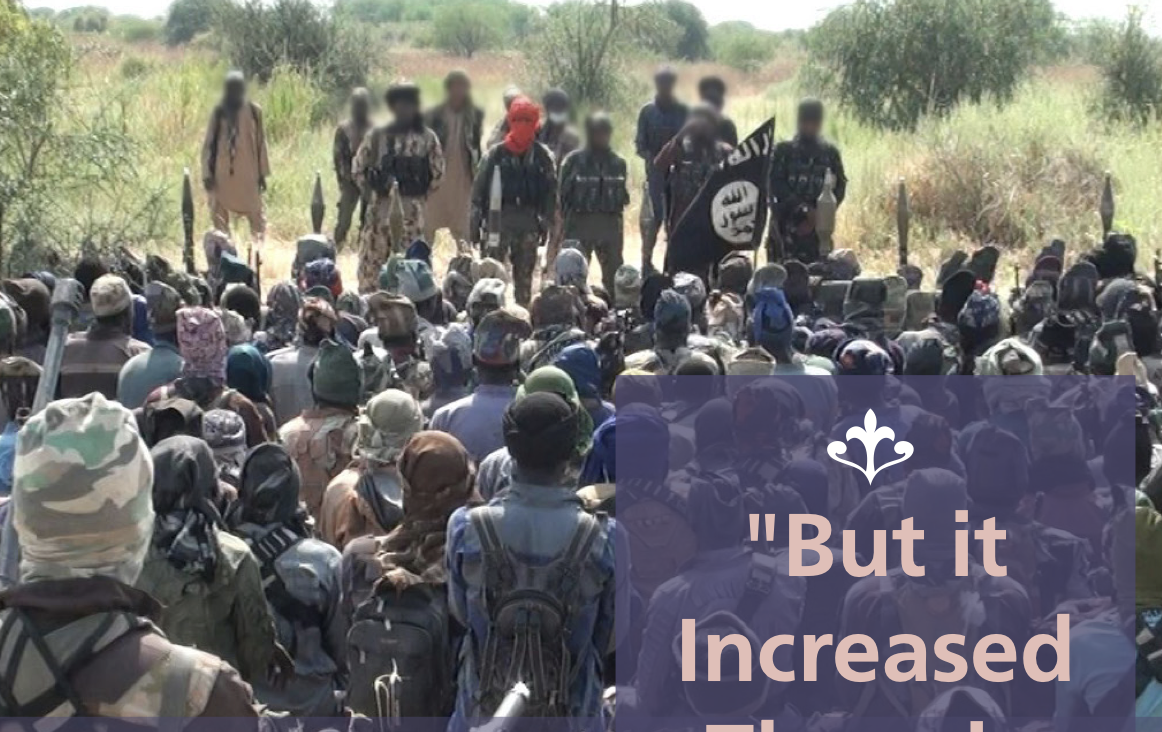
A recent ISIS-linked editorial frames US warnings about Christian persecution in Nigeria as proof of American “Crusader” intent and a sign that jihadist efforts have successfully stretched US resources across multiple theaters. The piece uses anti-Christian and anti-American rhetoric to incite fighters in West Africa and beyond, urging increased vigilance, dispersed operations, and ideological steadfastness. It presents US concern over violence in Nigeria as an admission of jihadist success while pushing African ISIS affiliates to prepare for what it describes as expanding Western intervention.
Analysis
The editorial attempts to transform US statements on Nigerian insecurity into a mobilization tool, portraying them as evidence that ISIS fighters have forced the United States into a costly, global confrontation. The message blends familiar themes—religious framing, anti-Christian hostility, and strategic guidance—to reassure followers while encouraging tactical adaptation as African affiliates face heightened counterterrorism pressure.
The publication claims the United States is preparing to fight “anywhere” to protect Christians and interprets US statements on Nigeria as confirmation that ISIS militants have “trapped America in a quagmire of global attrition” across Africa.
The editorial positions US political rhetoric as part of a “Crusader foreign policy,” portraying evangelical political influence and American–Israeli ties as evidence of religious hostility toward Muslims—classic ISIS messaging designed to sustain grievances and justify violence.
The piece offers operational direction to ISIS fighters in West Africa and across African wilayat, including redeployment, reducing large gatherings, using small mobile units, and avoiding phone-based communication—tactics consistent with past ISIS guidance under increased targeting pressure.
The content attempts to strengthen morale among African affiliates at a time when ISIS networks face expanded counterterrorism operations, internal fractures, and rival militant competition. It also tries to widen religious divides by contrasting US advocacy on behalf of Christian populations with what it depicts as global neglect of Muslim suffering, a narrative aimed at radicalization and recruitment. The editorial closes with theological justification for continued fighting and endurance, invoking Quranic verses and early Islamic traditions to reinforce the group’s legitimacy claims.
Sources
ISIS Editorial
