

ISIS Uses Al-Naba 526 to Explicitly Endorse and Operationalize the Sydney Attack Narrative
Source: Al Fustat
Executive Summary
Al-Naba issue 526 represents a significant escalation in Islamic State propaganda posture by explicitly framing the Sydney attack as a model operation and using it to openly encourage decentralized violence against Jews and Western targets during holidays and public gatherings. The issue goes beyond routine battlefield reporting by issuing direct ideological validation of lone actor attacks, attacking Muslim critics, and calling for immediate action by supporters in Europe and Australia.
Analysis
The central theme of Al-Naba 526 is the editorial titled “The Pride of Sydney,” which functions as an unambiguous endorsement of the Sydney attack and a justification for mass casualty violence against Jewish civilians.
The lead editorial praises the Sydney attackers as a “unique duo” and repeatedly describes the attack as a successful implementation of Islamic State guidance, explicitly celebrating the targeting of Jews during Hanukkah and portraying the event as a turning point for global jihad.
The article rejects the need for official ISIS claims, arguing that attacks aligned with ISIS methodology and ideology do not require formal adoption, and frames ambiguity as a strategic advantage that frustrates intelligence services.
Al-Naba directly calls for further attacks during holiday seasons and public gatherings, stating that success does not depend on documentation, pledges, or centralized coordination but only on adherence to “the Prophetic methodology.”
The editorial singles out Muslim leaders, activists, and protesters who condemned the Sydney attack, labeling them hypocrites and apostates, and argues that sympathy for Gaza is meaningless unless accompanied by violence against Jews globally.
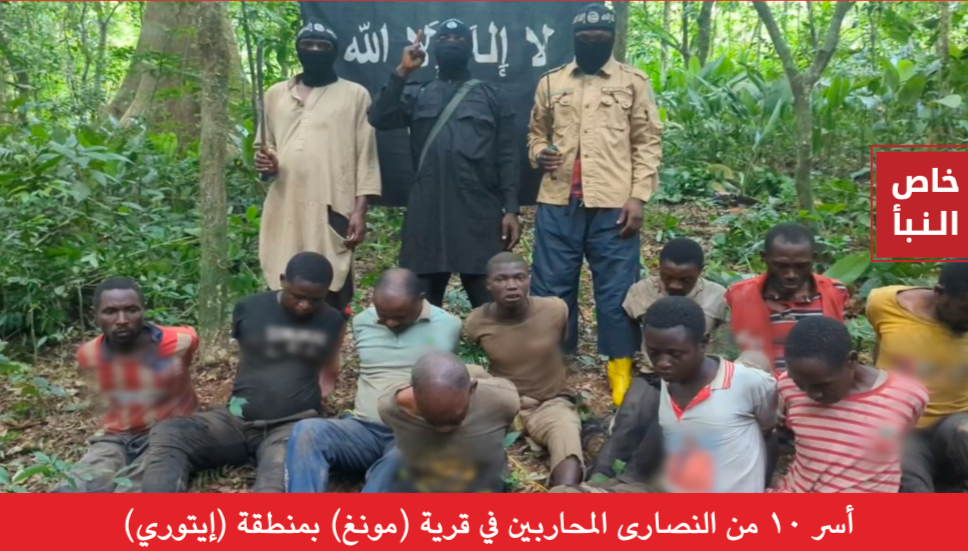
Beyond the editorial, the issue reinforces its messaging through operational reporting and ideological conditioning. Pages dedicated to West Africa, Central Africa, Mozambique, Syria, Iraq, and Mali emphasize executions, ambushes, and targeted killings, reinforcing the narrative that sustained violence is ongoing and achievable. The inclusion of a long theological essay on hypocrisy and betrayal serves to preempt dissent by framing any rejection of violence as evidence of internal corruption or disbelief.
The document also lowers the barrier for action by promoting a model of jihad that relies on individual initiative, minimal resources, and online guidance. It explicitly states that modern attackers no longer require camps, commanders, or logistics, presenting lone actor violence as both religiously sufficient and strategically superior. This positioning aligns directly with online supporter discourse observed following the Sydney attack and suggests deliberate synchronization between official media and decentralized extremist communities.
Sources
Al Fustat
