

Islamic State Al Naba Issue 530 Highlights Continued Global Attack Claims and Ideological Messaging
Source: Al Naba
Executive Summary
The latest issue of the Islamic State weekly newsletter Al Naba, issue 530, continues the group’s long standing pattern of claiming attacks across multiple regions while reinforcing its ideological narratives against local governments, rival armed groups, and Western and regional actors. The publication emphasizes operations in Somalia, Central Africa, Nigeria, Mozambique, and South Asia, while also devoting significant space to an editorial attacking Kurdish political and military projects in Syria and Iraq.
Analysis
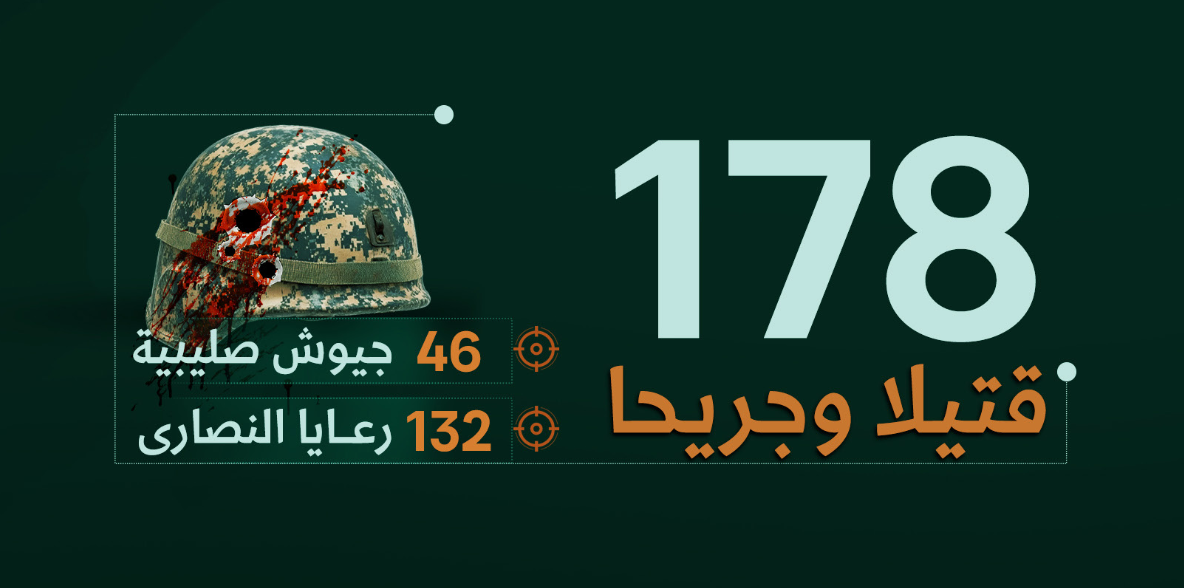
Al Naba issue 530 underscores the Islamic State’s effort to portray itself as an active and expanding global movement by aggregating attack claims from several provinces and presenting them as coordinated and successful, even where independent verification is limited.
The publication claims the killing and wounding of approximately 25 Puntland security force members in northeastern Somalia through bombings and clashes along key roadways near Bosaso, presenting these attacks as part of a sustained campaign against regional authorities.
It reports multiple deadly attacks in the Democratic Republic of the Congo by Islamic State Central Africa Province, including ambushes on Congolese الجيش units and killings of Christian civilians, framing these acts as evidence of continued momentum in Central Africa.
The issue includes claims of attacks against Nigerian security forces and allied militias in Borno and Yobe states, as well as operations in Mozambique and Niger, reinforcing the narrative that West and Southern Africa remain active fronts.
An article details the assassination of a religious political figure in Pakistan’s Waziristan region, portraying the killing as retaliation against individuals accused of opposing or legitimizing action against Islamic State aligned fighters.
The issue also features a prominent editorial titled “The Dilemma of the Kurdish Project,” which attacks Kurdish political movements in Syria and Iraq. The article frames Kurdish autonomy efforts as foreign backed, particularly by the United States and Israel, and portrays them as an existential threat to the group’s vision. This messaging aligns with long standing Islamic State propaganda themes that seek to delegitimize Kurdish forces while justifying past and future violence against them. The editorial also criticizes other Syrian opposition factions for what it describes as opportunism and inconsistency, reinforcing the group’s narrative that it alone operates on ideological rather than political principles.
Sources
Al Fustat
