

Islamic State Al Naba Issue 531 Centers Prisoner Narrative and Highlights Foreign Targeting
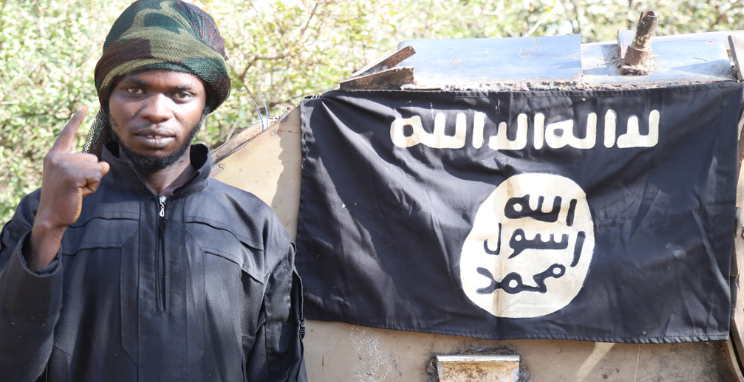
Source: Al Fustat
Executive Summary
Islamic State’s Al Naba issue 531 is structured around two reinforcing objectives. The first is to project continued global operational relevance through claims of attacks in West Africa, Afghanistan, and Central Africa. The second, and more prominent, is to elevate the prisoner and detention camp issue as the movement’s central cause, particularly in light of rapidly shifting control over territory, prisons, and camps in Syria. The issue uses recent instability to argue that the detention system holding ISIS members and families is vulnerable and that loyalty to the cause now requires renewed focus on prisoner liberation.
Analysis
Issue 531 devotes significant space to portraying Islamic State activity as persistent and geographically dispersed, while simultaneously reframing current political and military changes in Syria as an opportunity rather than a setback.
The opening operational sections emphasize violence against military and security forces in West Africa. The magazine describes a vehicle bombing near Alagarno and follow on attacks across northeastern Nigeria and southeastern Niger, claiming high casualties among soldiers and the destruction or disabling of armored vehicles.
In Afghanistan, the issue heavily promotes the Kabul suicide bombing targeting Chinese nationals. The attack is framed as deliberate foreign targeting rather than collateral violence, with repeated emphasis on the attacker’s patience inside the location before detonation. The narrative explicitly links the operation to China’s treatment of Uyghur Muslims and uses official Chinese reactions to argue that the Taliban cannot protect its foreign partners.
The editorial core of the issue focuses on Syria. The magazine argues that the collapse of Kurdish control and the handover of territory, prisons, and camps to the new Syrian authorities represent a Western managed transition rather than a meaningful change in policy. It portrays Kurdish forces as having completed their role and warns that detainees will now face harsher repression under new custodians.
Additional reporting from Central Africa and Mozambique reinforces the global scope narrative. The issue claims killings of Christian civilians, village burnings, and attacks on foreign forces, presenting these actions as routine enforcement of authority rather than escalation. These sections are shorter but serve to maintain the image of uninterrupted activity across multiple theaters.
Sources
Al Fustat
