

Islamic State claims major raid on Niamey airport in Niger alongside operations in Congo, Nigeria, Mozambique, and Philippines in Al-Naba 533
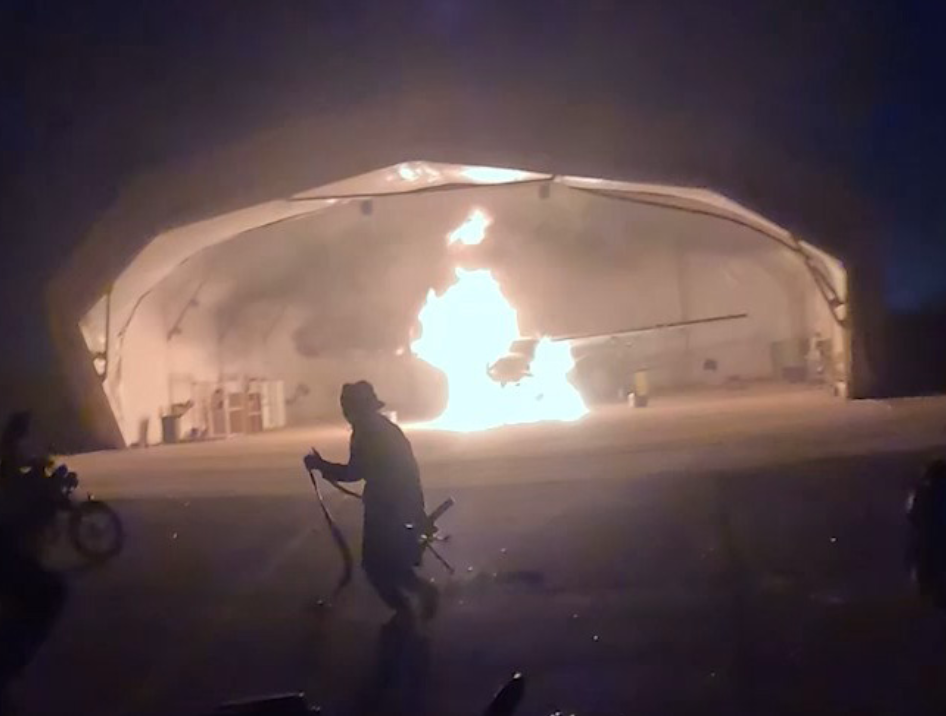
Source: Al-Naba Issue 533
Executive Summary
Islamic State is claiming a raid on Niamey's international airport in Niger, targeting the 101 Air Base where they report destroying seven military aircraft, one civilian plane, and various facilities while holding the site for over two hours in Al-Naba Issue 533. The issue also details a series of attacks in eastern Congo killing 28 Christians including two soldiers and burning dozens of homes; strikes in Nigeria killing 16 militiamen and two police with eight vehicles damaged or seized; a coordinated assault in northern Mozambique killing nine soldiers and torching two camps; and ambushes in southern Philippines killing six soldiers.
Analysis
The claims emphasize surprise and disruption against military targets, with the Niamey airport raid standing out as a high-profile escalation in the Sahel, allegedly exploiting security gaps to inflict material damage without direct confrontation—IS sources deny any captures and downplay losses to seven fighters during withdrawal. In Congo, the focus shifts to sectarian violence against Christian communities, reporting eight attacks causing displacement and criticizing government failures, which aligns with IS's strategy to exploit local grievances and force population movements. Nigeria operations highlight hit-and-run tactics on militias and police, including camp burnings and vehicle seizures, continuing a "camp incineration" campaign to degrade local defenses. Mozambique's synchronized strikes on forward bases demonstrate coordinated planning, with seized weapons amplifying future threats. In the Philippines, ambushes on patrols follow recent enemy offensives, suggesting retaliatory intent to maintain pressure despite intensified hunts.
Overall, this cluster reflects IS's adaptive approach: motorcycle-borne raids for mobility, emphasis on African wilayats (provinces) where affiliates like ISWAP and ISCAP operate with relative autonomy, and integration of religious messaging (e.g., Ramadan prep and theological pieces) to bolster recruitment. While unverified, the pattern prioritizes symbolic victories—disrupting air power, inciting fear in civilians, and straining coalitions like Sahel forces or Congolese army—over territorial gains, sustaining narrative momentum despite global setbacks.
Sources
Al-Naba Issue 533
