

Suicide Bombing at Wedding in Dera Ismail Khan
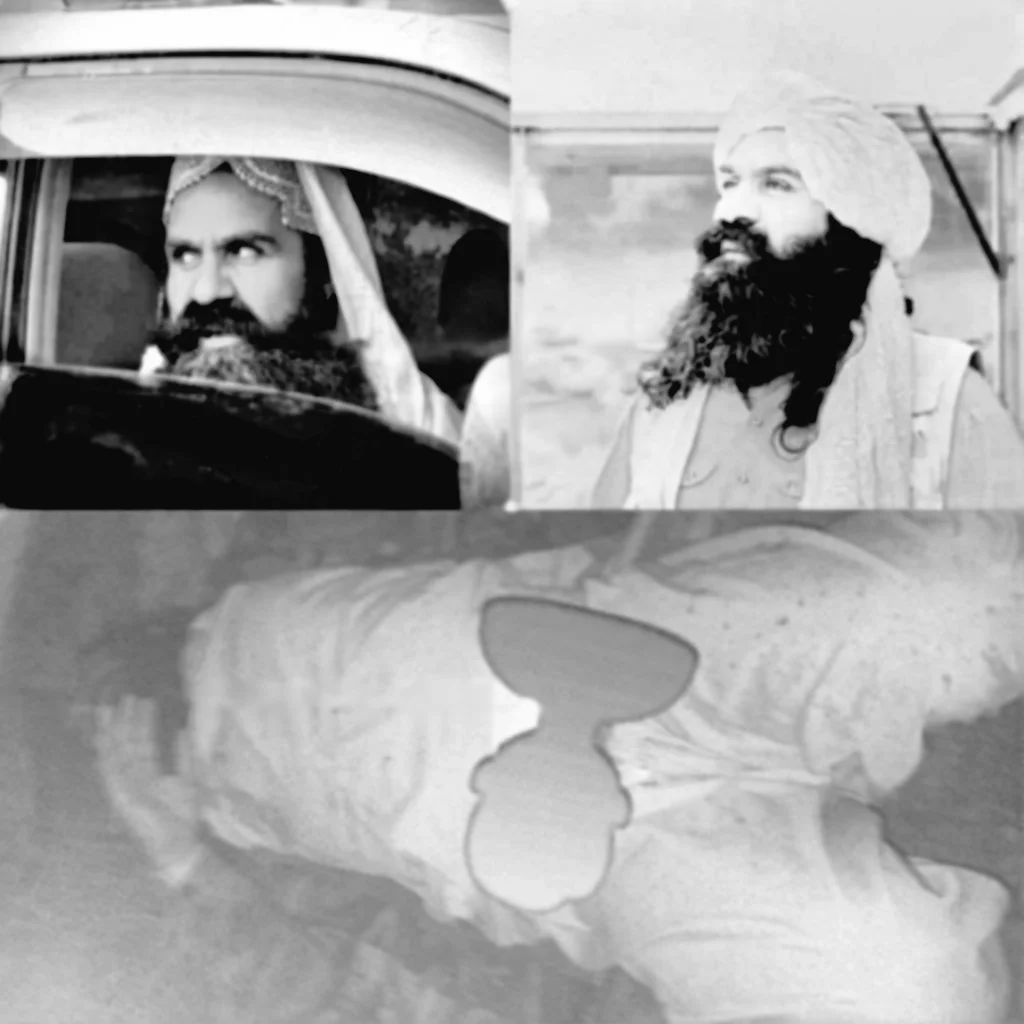
Source: X
Executive Summary
A suicide bombing at a wedding ceremony in Dera Ismail Khan, Pakistan on 24 January 2026 killed at least seven people and wounded dozens, targeting a pro government peace committee linked to local counter militancy efforts. While no group formally claimed responsibility, the rapid posting of the attack footage and details in an Islamic State affiliated Techhaven channel indicates at minimum ideological support and possible signaling behavior consistent with prior ISIS and ISIS aligned media practices.
Analysis
The suicide bombing targeted a wedding hosted by a known pro government community leader affiliated with local peace committees, a category that militant groups routinely frame as collaborators and traitors. The operational profile, target selection, and online amplification align with patterns seen in prior attacks by Tehrik e Taliban Pakistan and, in some cases, Islamic State Khorasan messaging ecosystems.
Pakistani police confirmed a suicide bomber detonated an explosive vest among wedding guests in Dera Ismail Khan, killing at least seven people and wounding approximately 25, with several victims later dying in hospital from critical injuries.
The attack specifically struck a gathering linked to a peace committee supported by Islamabad to counter armed groups along the Afghan border, a structure repeatedly threatened by militant organizations operating in the region.
Although no organization issued an official claim, Arabic language posts describing the bombing, including video of the explosion, were published in the Techhaven ISIS aligned channel by the account Abdallah Al Falluji, celebrating the attack and identifying the target as peace committee forces.
The Techhaven post framed the bombing as an attack on armed elements rather than civilians, mirroring Islamic State narrative techniques used to legitimize mass casualty attacks on community security figures.
The attack occurs amid increased Pakistani military pressure along the Afghan border and continued accusations that militant groups, including TTP, operate with sanctuary in Afghanistan. The targeting of a wedding ceremony reinforces militants’ intent to impose social cost on cooperation with the state and to deter participation in local security structures through fear and spectacle.
