

Iranian National and Second Individual Arrested After Approaching UK Nuclear Submarine Base
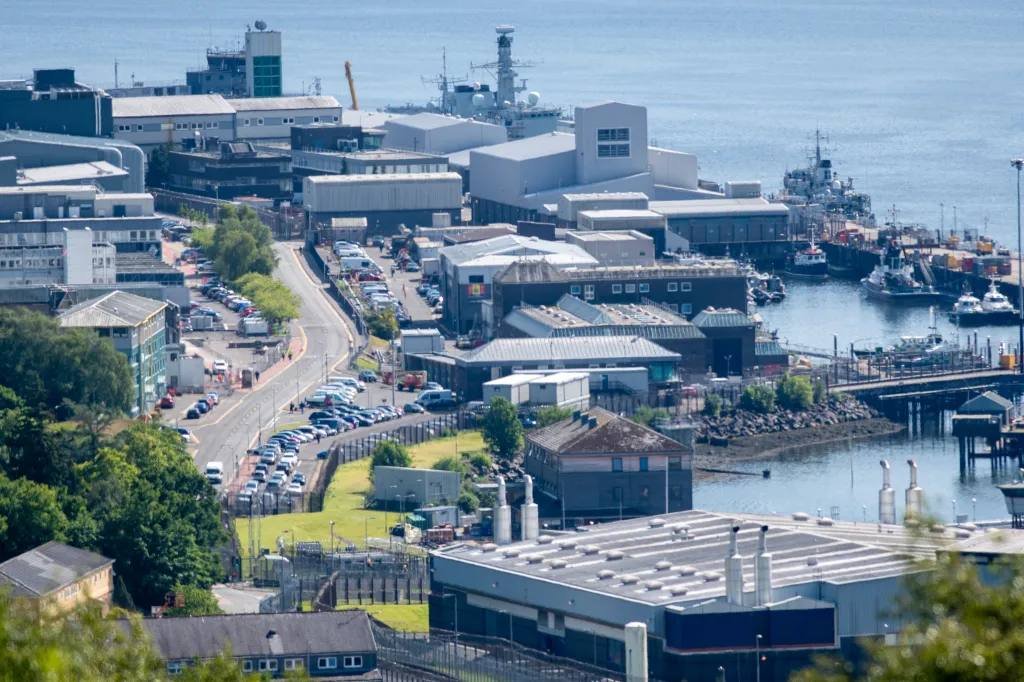
Source: X
EXECUTIVE SUMMARY
Police Scotland and Ministry of Defence Police arrested a 34-year-old Iranian man and a 31-year-old woman of currently unconfirmed nationality on 19 March 2026 after the pair approached the entrance of HM Naval Base Clyde (Faslane) in Scotland in a vehicle without the correct passes required for access. Both were arrested for acting suspiciously in the vicinity of the base. Sniffer dogs searched their vehicle; no weapons or explosives were found. The investigation is ongoing.
ANALYSIS
HM Naval Base Clyde is home to all four of the UK's Vanguard-class ballistic missile submarines, each armed with up to 16 Trident II D5 submarine-launched ballistic missiles. The base is the operational hub for the UK's continuous at-sea deterrent, maintained unbroken since 1969. The facility employs approximately 3,000 service personnel, 4,000 civilian workers through Babcock Marine, and supports 800 military families. The Royal Naval Armaments Depot at Coulport, 8 miles from Faslane, handles Trident missile storage, maintenance, and loading. Together, Clyde and Coulport constitute the physical foundation of the UK's entire nuclear deterrent capability.
The approach to the gate rather than an attempted perimeter breach limits what can be assessed about the pair's intent. Approaching a military installation without proper credentials in the context of an active conflict involving Iran is sufficient for a terrorism-related arrest under UK law, and both Military and civilian police treated the incident accordingly with an immediate lockdown of the base. The absence of weapons or explosives narrows the likely operational purpose to intelligence collection, surveillance of access procedures, or an attempt to gain physical access under a cover that failed at the gate.
The Iranian man's nationality, in the context of the current conflict, is the central analytical fact. The IRGC Intelligence Organization and IRGC-affiliated networks have conducted surveillance and disruption operations against allied military and intelligence targets in Europe in the years prior to the current conflict. The identity and nationality of the woman have not been confirmed publicly, and no organizational attribution has been made by UK authorities. This incident follows the pattern of Iranian-linked reconnaissance against Western strategic assets that Semper Incolumem has tracked across the current conflict period, including the 18 March worldwide US Embassy security review prompted by Iranian-linked threats to diplomatic facilities.
