

Arson Attack Destroys Island Gospel Church in Burns Lake Amid Ongoing Anti Church Violence in Canada
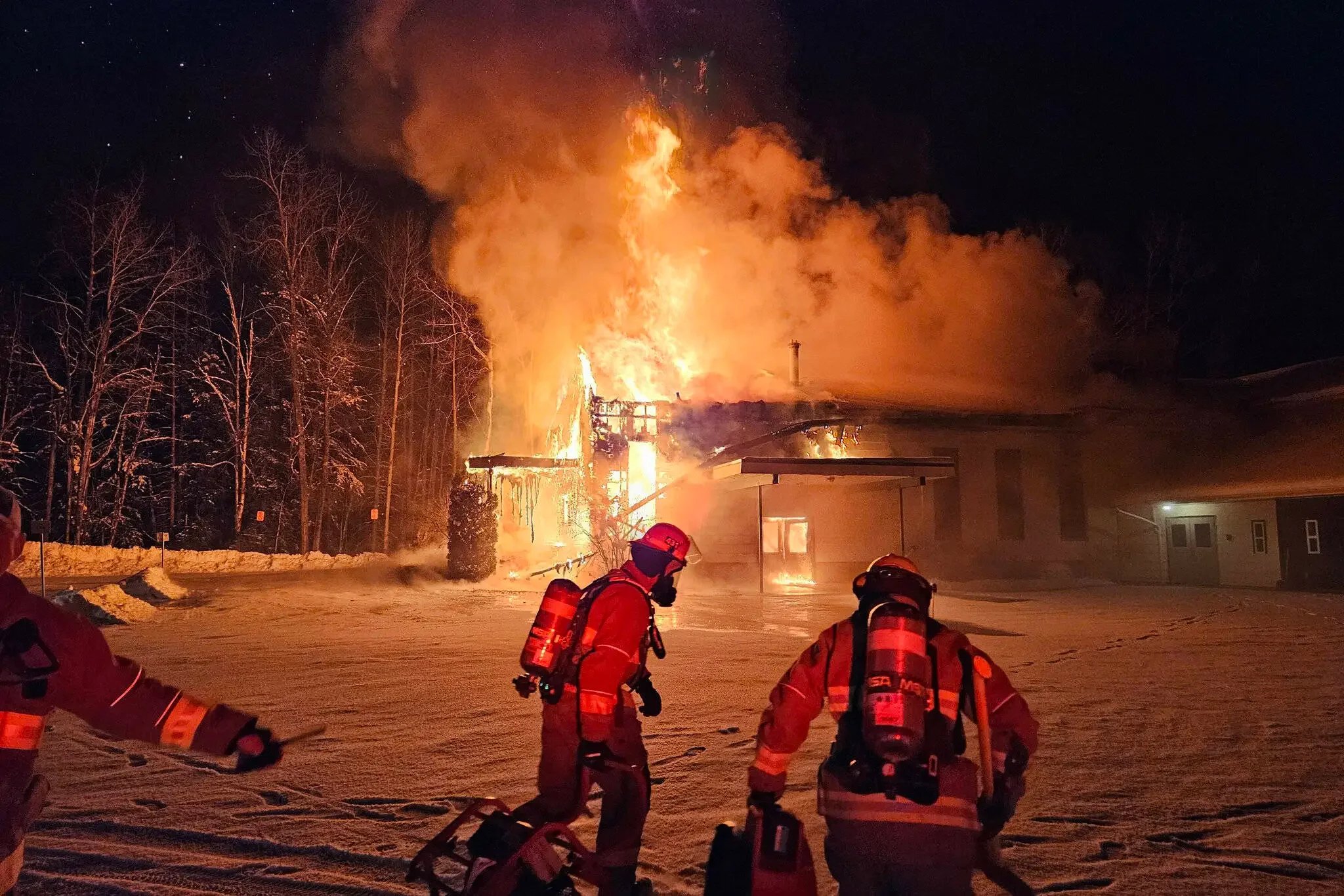
Source: Burns Lake Lakes District News
Executive Summary
An arson attack destroyed the Island Gospel Church in Burns Lake, British Columbia, in December 2025, causing damages estimated at more than five million dollars. An anonymous militant statement published in January 2026 frames the attack as part of a broader wave of anti church actions tied to anger over Canada’s residential school system and the treatment of Indigenous communities. Open source reporting confirms the fire was deemed suspicious, that a youth was arrested in connection with the incident, and that the congregation has since dispersed to other locations while repairs and assessments continue.
Analysis
The Burns Lake church fire reflects the continued intersection of historical grievances, symbolic targeting of religious institutions, and decentralized arson and vandalism campaigns in Canada.
Local fire officials reported that the Island Gospel Church was largely destroyed by fire on December 20, with firefighters preventing the blaze from spreading to an attached gymnasium and classroom areas, though smoke and water damage occurred.
Police deemed the fire suspicious shortly after the incident, and the RCMP later announced the arrest of a youth in connection with the blaze, indicating law enforcement treated the incident as criminal arson rather than accidental fire.
An anonymous communiqué circulated on activist platforms contextualized the attack within a broader pattern of church burnings following the 2021 discovery of unmarked graves at former residential school sites, citing dozens of arsons and vandalism incidents across Canada since that time.
The militant statement frames church arsons as a form of decentralized, unpreventable resistance against colonial institutions, highlighting anonymity and simple means as strengths. However, open source reporting from local media underscores a different dynamic on the ground: arrests are occurring, investigations are ongoing, and communities are responding primarily through legal processes, public solidarity, and rebuilding efforts. The Burns Lake case illustrates how symbolic violence against religious property continues to be used by some actors to express historical and political grievances, even as such actions generate criminal consequences and community backlash.
