

Coordinated Baloch separatist attacks across Balochistan trigger mass casualties and sweeping security response
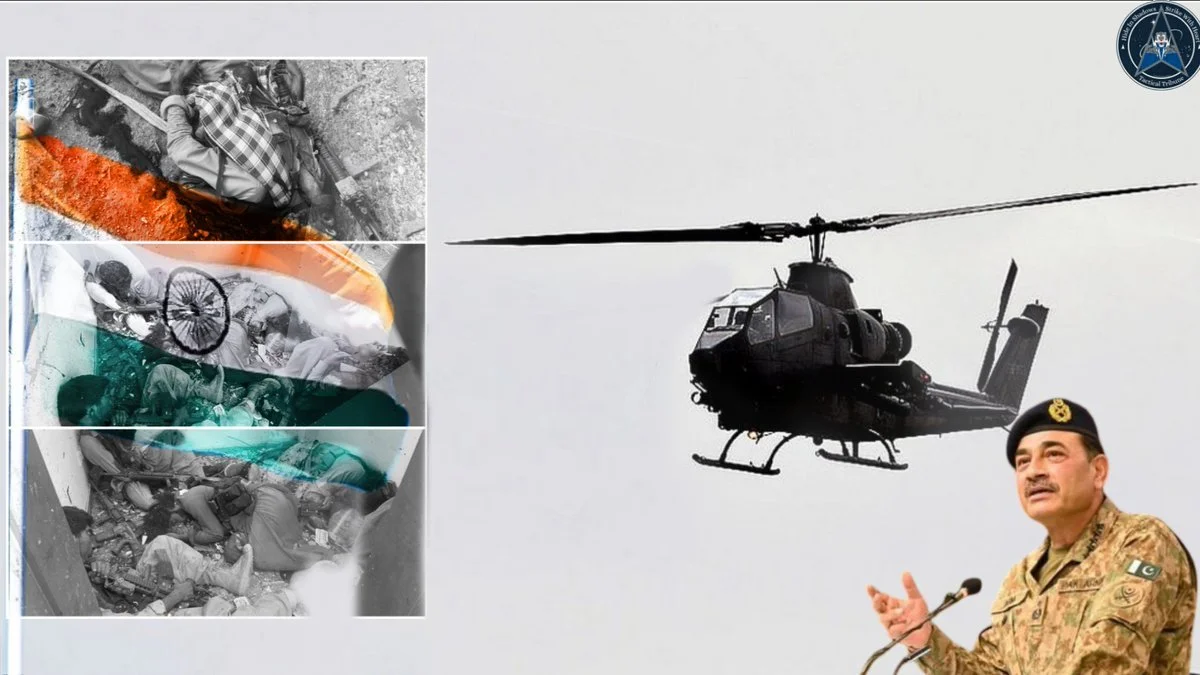
Source: X
Executive Summary
A wave of coordinated attacks across Pakistan’s Balochistan region on January 31, 2026 targeted civilians, police, paramilitary sites, transport infrastructure, and a high security prison, according to France 24 and the Associated Press. Pakistani authorities said 11 civilians and 10 security personnel were killed, and that 67 insurgents were killed during the response, with officials also citing at least 108 militants killed over the past 48 hours. The Baloch Liberation Army claimed responsibility and issued higher casualty claims against security forces, reflecting an active contest over narrative and momentum.
Analysis
The incident set shows a rare, province wide, multi target operation intended to overwhelm response capacity, disrupt movement, and demonstrate reach beyond a single corridor. At the same time, the official tally of insurgents killed suggests security forces engaged aggressively and then pursued attackers after initial strikes, but the breadth of targets indicates the militants retained the ability to coordinate across multiple districts and hit mixed civilian and security objectives.
Attacks unfolded across more than a dozen locations, with targets including police stations, paramilitary installations, and civilians in multiple towns.
Authorities said 11 civilians were killed, including women and children in Gwadar, and Pakistan’s interior minister cited 10 security officers killed, with dozens of injuries.
A prison attack in Mastung freed more than 30 inmates, and rail track damage prompted suspension of some train services from Balochistan to other parts of Pakistan.
Officials said 67 insurgents were killed on Saturday, and at least 108 militants were killed across a 48 hour period, following earlier raids that the military said killed 41 insurgents.
The BLA claimed responsibility, released videos showing female fighters, and asserted a higher security force death toll than the government’s figure.
The competing casualty claims matter because they shape recruitment, local fear, and perceptions of state control. The operational mix, including civilian killings, prison disruption, attempted abductions on highways, and sabotage of transport links, aligns with a strategy aimed at undermining governance and economic activity while forcing sustained deployments across a large, sparsely populated province that borders Iran and Afghanistan.
