

Iran threatens regional war if the United States attacks and moves to label EU armies as terrorists
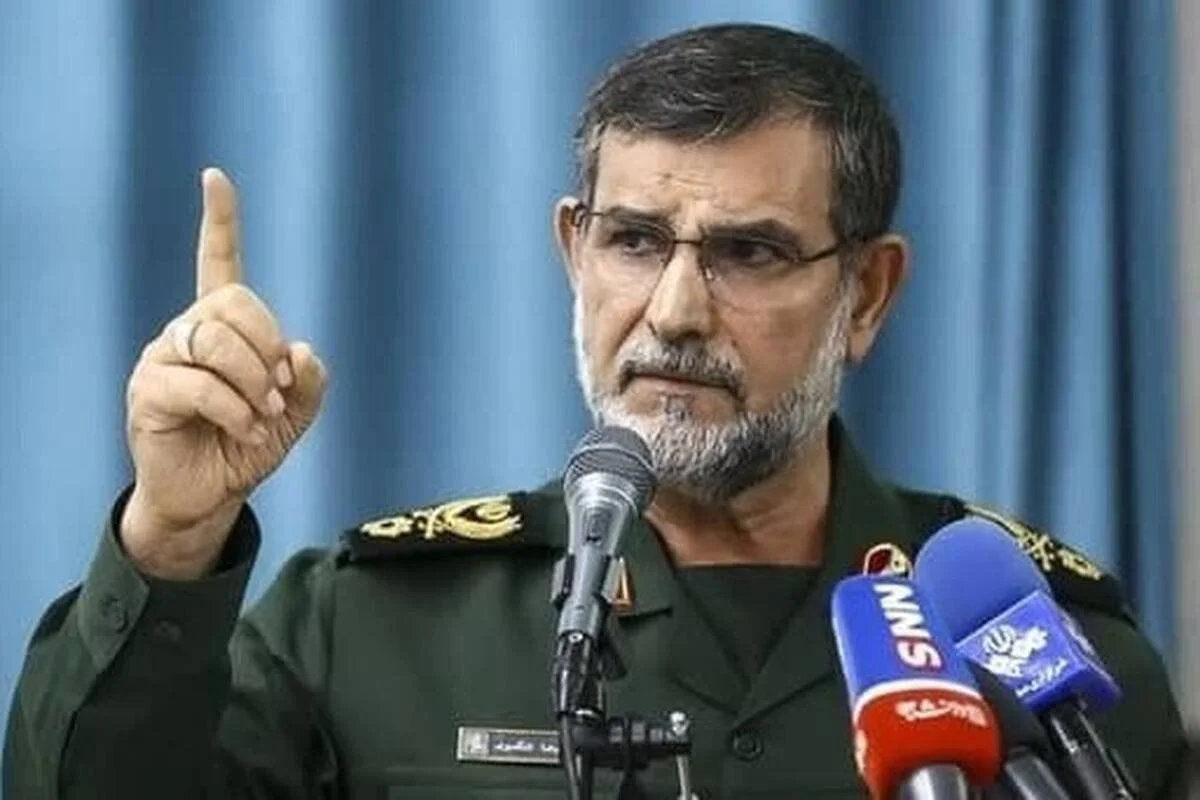
Source: Telegram
Executive Summary
On Sunday, Iran’s leadership warned that any United States attack would trigger a regional conflict as Washington increased its naval presence in the Middle East. Tehran also announced it would designate EU armies as terrorist groups in retaliation after the European Union designated Iran’s Islamic Revolutionary Guard Corps as a terrorist organization. The exchange increases the risk of miscalculation, especially around the Strait of Hormuz, while both sides simultaneously signal they are open to renewed nuclear talks.
Analysis
Iran is pairing deterrent messaging with political retaliation, seeking to raise the perceived costs of United States military action and to answer European pressure with a symbolic but escalatory step. At the same time, contradictory public messaging about planned live fire drills in the Strait of Hormuz highlights how quickly rumors and announcements can amplify tension in a high traffic military environment.
Iran’s supreme leader warned that a United States attack would spark a wider regional war and said Iran would respond forcefully to any attack or harassment.
The United States has increased naval forces in the region, citing the presence of multiple destroyers, an aircraft carrier, and littoral combat ships, as the Trump administration weighs options that include targeted strikes.
An Iranian official told Reuters there were no plans for IRGC naval live fire exercises in the Strait of Hormuz after earlier Iranian media reporting suggested drills would occur.
Iran’s parliament stated said Iran would designate EU armies as terrorist groups and consider expelling EU military attachés, after EU action targeting the IRGC, with Iranian lawmakers staging a show of support by wearing IRGC uniforms.
The dispute is unfolding against the backdrop of severe internal unrest in Iran and sharply contested casualty figures from January’s crackdown, which adds pressure on Tehran and increases incentives for external confrontation narratives. Operationally, the Strait of Hormuz remains a key risk point because of its importance to global energy shipping and the proximity of naval forces, where even limited incidents can escalate quickly.
