

Delhi Red Fort Car Blast: What We Know and What It Could Mean
Executive Summary
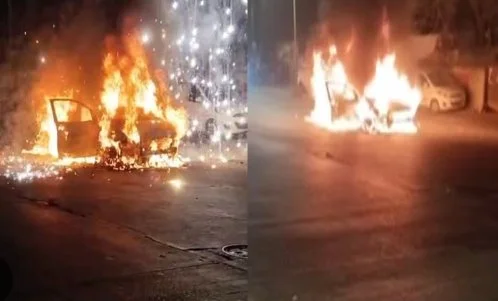
A car exploded near the Red Fort metro station in New Delhi on the evening of November 10, killing at least eight people and injuring many others. Authorities have activated a high alert across multiple states while central agencies lead the inquiry. Officials say the cause is not yet known and all possibilities remain open, including deliberate attack, accidental detonation during transport, or other criminal activity.
Analysis
A fatal car explosion at a nationally significant landmark during busy evening hours points to a high-impact event with both security and political implications. The location’s symbolism, the casualty count, and rapid multi-agency deployment suggest investigators are treating this as a priority case while they work to establish whether the blast was intentional or accidental.
Police and central officials confirmed a high-intensity explosion in or near a slow-moving Hyundai i20 by the Red Fort metro entrance around 6:50 to 7:00 pm local time, with nearby vehicles damaged and multiple fatalities and injuries reported.
Home Minister Amit Shah visited the site, said no possibility is being ruled out, and confirmed that central agencies including NIA, NSG, and forensic teams are leading a thorough investigation; Prime Minister Narendra Modi said he reviewed the situation.
The owner of the vehicle registered in Gurugram has been located and questioned, according to local reporting, as teams gather CCTV and forensic samples; early field notes cited by reporters mention no obvious crater, no splinter injuries, and no RDX odor, leaving the blast mechanism unresolved.
Red Fort is one of India’s most visible national symbols and a dense transport hub, which raises the risk of mass casualties and public panic regardless of intent. The evolving casualty count, the rapid nationwide alert posture, and conflicting early clues about the explosive source are consistent with major blast inquiries where investigators must reconcile scene forensics, CCTV timelines, vehicle ownership history, and any threat chatter before assigning motive. Until the laboratory results and video analysis converge, officials are right to keep all angles open and caution against speculation.
Analyst Note: Pro-ISIS forum users are amplifying an unverified claim from a group calling itself Jaish ul-Hind, a name that echoes Jaish-e-Mohammed and Ansar Ghazwat-ul-Hind. The post asserts that “soldiers of Jaish ul-Hind” infiltrated a “high security area” in Delhi to carry out an IED attack and warns this is the start of a series of strikes on major Indian cities to “pay back” alleged state atrocities, ending with “wait and we too are waiting.” At this time, the group’s existence, role, and the authenticity of the statement are unconfirmed and may reflect opportunistic credit-seeking.
