

Dutch Anarchist Publication Rumoer Ends With Final Issue, Signaling Shift Toward New Projects and Continued Anti-Authoritarian Activity
Executive Summary
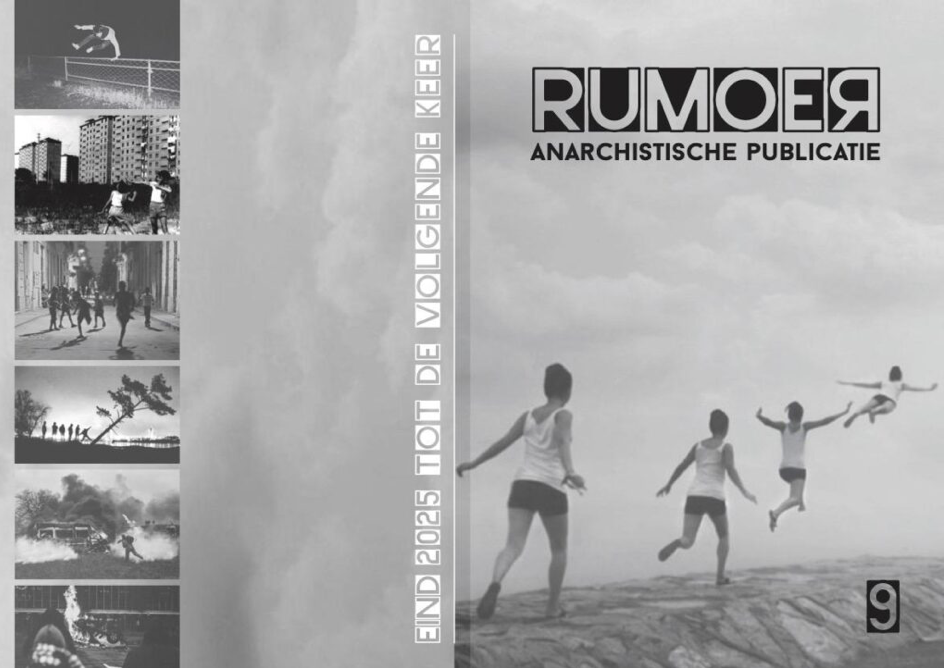
The Dutch anarchist collective behind Rumoer has released its final issue (No. 9), announcing the end of the publication and the start of new, unnamed initiatives. The issue reflects on several years of organizing, critiques of anarchist subculture, and perceived growing authoritarianism. It includes commentary on digital organizing, COVID-19 era politics, internal debates such as anarchists eating meat, and the role of direct attack. While Rumoer does not promote concrete violent plots, the project situates itself firmly within anti-state, anti-capitalist struggle and encourages continued agitation. The collective’s sign-off—“we did what we had to and are preparing for our next plans”—suggests the transition is strategic rather than a withdrawal, indicating continuity of activism through different channels.
Analysis
The final Rumoer issue presents itself as a closing statement but also a bridge toward future organizing. The collective reflects on what it calls a “dusty scene,” expressing frustration with stagnation inside Dutch anarchism while also celebrating periods of struggle. This pattern—ending a publication while signaling new initiatives—is consistent with broader anarchist practice in northern Europe, where print efforts often evolve into new projects after several years.
The announcement states that Rumoer No. 9 is “the last edition ever,” but immediately follows with, “We did what we had to and are preparing for our next plans,” indicating that the shutdown is purposeful rather than due to collapse or disengagement.
The issue reviews topics including encrypted group chats, “corona times,” and “authoritarian tendencies around us,” showing continuity with themes of state criticism and horizontal communication.
The table of contents also includes pieces on “attack,” which in Dutch anarchist discourse often refers broadly to sabotage or direct action, though the publication does not document operational details.
The editors encourage printing or distributing the issue physically, maintaining a long tradition of anarchist zine circulation meant to bypass platform moderation and retain community resilience.
The publication’s tone is not celebratory but resolute, emphasizing that while anarchist circles may have become more insular, the editors believe struggle is ongoing and needs new forms. The reference to “quiet traces of struggle” aligns with a perspective common in European insurrectionary anarchism, which values small-scale, diffuse resistance that persists even when publicly invisible.
The collective notes that “the world didn’t necessarily become a better place” but asserts that their “anarchist bubble did,” suggesting internal consolidation or renewed camaraderie within their scene.
The sign-off “Love, fire and strength” follows insurrectionary norms of blending emotional solidarity with symbolic references to direct action (“fire”).
The invitation to provide comments “for a bit more anyway” implies that the collective will remain reachable during a transitional period, perhaps before re-emerging under a different banner or project.
Taken together, Rumoer No. 9 does not indicate heightened or immediate threat activity but does represent an ideological anchor point for Dutch-language anti-authoritarian networks that maintain long-term continuity despite shifts in public-facing output. The announcement hints at future organizing, likely through new publications, affinity groups, or campaigns that will only become visible once launched.
