

ISIS-Affiliated Forum Users Seek “Panic Mode” Phone-Wipe Apps to Defeat Law Enforcement Device Seizure
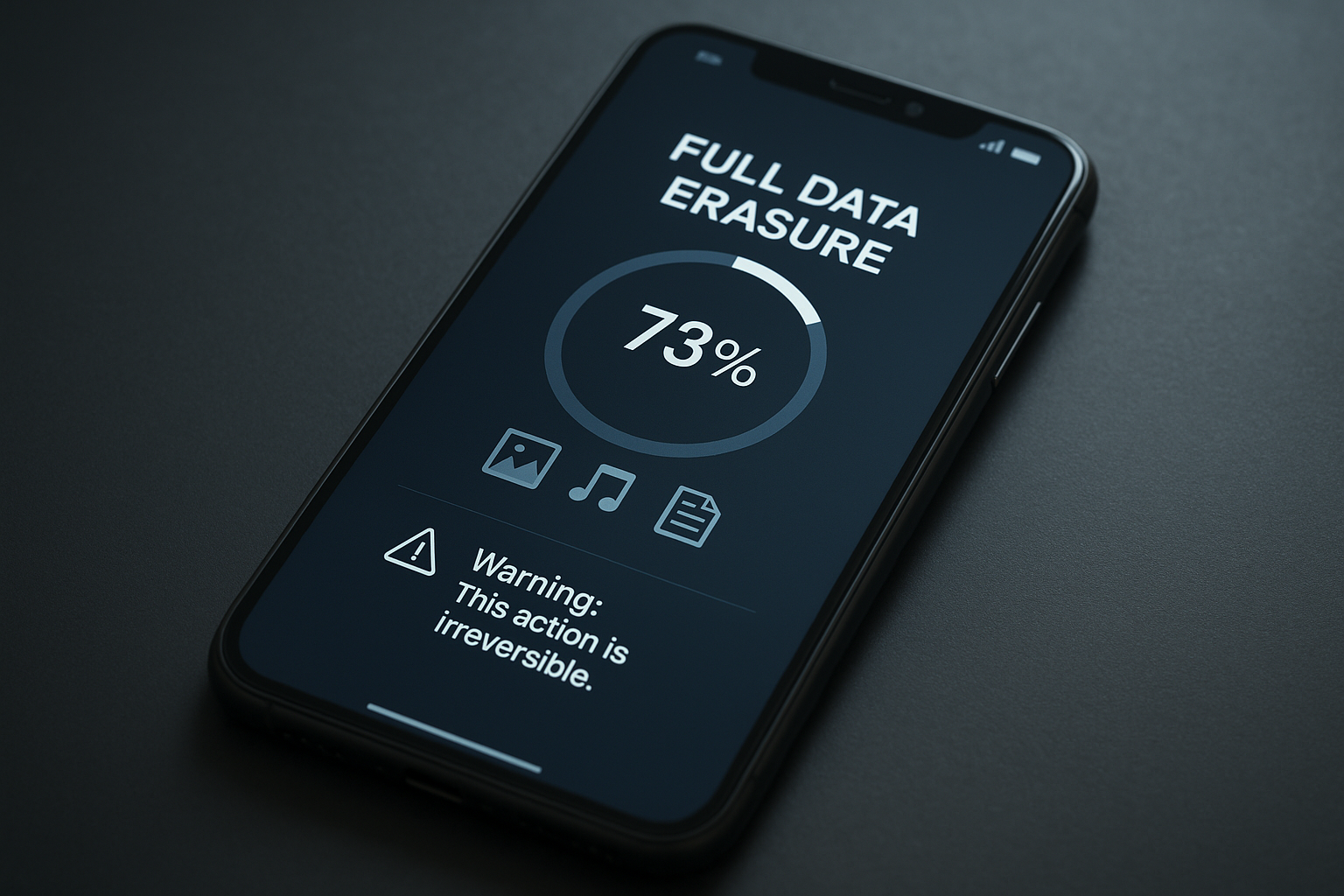
Source: SORA
Executive Summary
A short exchange on the ISIS-linked forum Ansar Electronic Security shows members discussing “panic mode” mobile applications designed to instantly wipe device data when activated. The users specifically reference Duress and Wasted, two apps marketed for rapid erasure in high-risk situations. Although the conversation is brief, it is highly indicative of operational-security priority inside the ISIS online ecosystem. The discussion demonstrates continued interest in counter-forensic tools that can eliminate evidence during arrests, raids, or border stops—complicating digital investigations and hindering intelligence collection on attack planning, networks, and propaganda distribution.


Wasted and Duress Application Images
Analysis
The exchange reflects an operational-security subculture that encourages quick destruction of digital evidence as a core survival skill. The users’ casual tone suggests these apps are already familiar within their circles and that the question was not exploratory but about identifying the best tool for real-world contingency.
A forum user asks the group’s primary tech account, @ansartech2, “what’s the best panic mode apps one could get?”, signaling a request for vetted, community-approved counter-forensics tools.
The user cites Duress and Wasted by name, both apps that can wipe device content automatically under certain triggers (incorrect PIN attempts, secret unlock patterns, or a designated command).
Another participant replies they were “wondering about this wasted one too,” showing an active comparison of which app is more reliable for emergency erasure.
The conversation takes place on Ansar Electronic Security, one of ISIS’s longest-running hubs for encryption, device hygiene, malware awareness, and evasion tactics—amplifying the likelihood that the users are seeking operationally relevant tools rather than casual privacy apps.
The conversation also highlights a recurring problem for security services: even minimal guidance on secure deletion enables extremists to erase planning notes, bombmaking research, contact networks, and propaganda archives before a device can be imaged. Panic-wipe applications are especially concerning because they reduce the window of vulnerability during arrests, traffic stops, or rapid-entry raids.
ISIS and pro-ISIS channels have historically emphasized data destruction, from teaching how to sanitize SD cards before crossing borders to recommending self-destruct Telegram clones and ephemeral file storage.
Panic-wipe apps fit into this pattern by giving users a single trigger to obliterate communications, reducing the chance of recovery and limiting forensic leads into wider networks.
Even if the individuals in this discussion are not plotting violence, the normalization of such tools inside jihadist-support environments increases the difficulty of disrupting small, self-directed attackers whose planning often exists primarily on personal devices.
Additional context shows that panic-wipe tools are now a common point of discussion across extremist tech channels, indicating a shift: instead of focusing solely on encryption, actors prioritize denial of evidence, which functions as both a security measure and a psychological reassurance within radical circles. This trend erodes the intelligence trail that often reveals intent, associates, and ideological influences.
