

Ebola Bundibugyo Outbreak Triggers CDC Health Alert and Enhanced Screening at US Airports
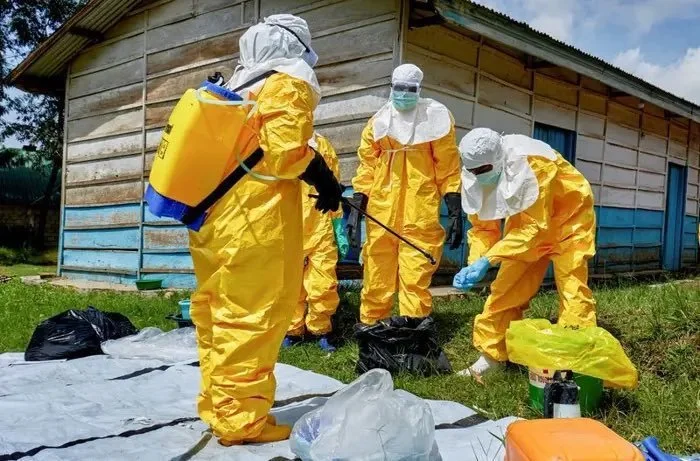
Source: X | @defense_civil25
EXECUTIVE SUMMARY
The US Centers for Disease Control and Prevention issued a Health Alert Network notice for a Bundibugyo species Ebola virus disease outbreak affecting the Democratic Republic of Congo and Uganda, with more than 900 confirmed cases and over 220 deaths. The CDC activated enhanced traveler screening at Dulles International Airport and Hartsfield-Jackson Atlanta International Airport. American nationals in the affected region have been evacuated to Kenya as a precautionary measure. The Bundibugyo strain is the second most lethal Ebola species in documented outbreaks, behind the Zaire strain responsible for the 2014 to 2016 West Africa epidemic. No US cases have been reported.
ANALYSIS
A case load exceeding 900 places the current outbreak among the larger Ebola events in recorded history. Bundibugyo strain Ebola was first identified in Uganda in 2007 and caused an additional outbreak in the DRC in 2012. Its case fatality rate is lower than Zaire Ebola but still clinically significant, and no approved Bundibugyo-specific vaccine currently exists. The Ervebo vaccine confers protection against Zaire strain only, leaving responders without an immunization tool comparable to what constrained the 2018 to 2020 DRC Zaire outbreak.
Geographic spread from DRC into Uganda raises cross-border transmission concerns. Uganda serves as a regional transit hub for East and Central Africa, with international air service from Entebbe connecting to major hubs including destinations with onward routing to the United States. The CDC's selection of Dulles and Atlanta for enhanced screening reflects the known travel routing from this corridor. Both airports serve as primary international arrival points for passengers traveling from sub-Saharan Africa with connections through European hubs.
Enhanced screening protocols at the two airports will include travel history questionnaires, symptom assessment for fever and hemorrhagic presentations, and referral procedures for travelers with potential exposure within the 21-day incubation window. State and local public health officials in jurisdictions served by these airports should ensure coordination with CDC quarantine stations and review Ebola case-identification protocols with hospital emergency departments. Healthcare workers at receiving facilities for international travelers should be briefed on current exposure criteria.
The State Department's evacuation of American nationals to Kenya reflects a standard precautionary posture when a rapidly evolving outbreak is occurring in areas with limited healthcare infrastructure and active case count growth. The combination of case scale, cross-border spread, absence of an approved vaccine, and international air connectivity warrants continued monitoring of the outbreak trajectory over the next 30 days.
SOURCES
