

War Update: Iran’s Retaliation Shifts Toward Gulf Energy Targets as Hezbollah Front Reopens and Succession Politics Surface After Khamenei Death
Source: Telegram
Executive Summary
The U.S.-Israel air campaign is now being described in multi-week terms, while Iran and aligned actors have widened retaliation to include Gulf energy infrastructure and additional proxy activity. New reporting adds a sharper succession storyline following reports that Supreme Leader Ali Khamenei has been killed, alongside updated U.S. guidance for Americans in Iran to shelter in place and pursue land departure options if safe.
Analysis
The operational horizon is hardening. The campaign is being framed as lasting weeks, with objectives expanding beyond nuclear constraints to degrading missile forces, naval capacity, and the broader network of aligned groups. There is still no visible “exit ramp” being messaged in a way that suggests near-term de-escalation.
Iran’s retaliation is widening in both geography and target set. The pressure line is no longer limited to military facilities and Israel-facing strikes. Energy infrastructure and shipping risk are becoming central leverage points. Developments include attempted attacks on Saudi oil infrastructure, disruption signals affecting major LNG supply, and incidents around the Strait of Hormuz. This is the fastest path to global consequences: markets react immediately, and Gulf states face direct hits to economic “centers of gravity.”
The Israel–Lebanon front is reactivating. Hezbollah activity and Israeli retaliation in and around Beirut indicate the conflict is now running multiple fronts at once, with increasing potential for sustained exchanges rather than episodic signaling. The same dynamic increases the likelihood of collateral impact and civilian displacement, especially in dense urban areas.
The air and missile defense environment is degrading into friction and misidentification. A friendly-fire shootdown of U.S. aircraft by Kuwaiti air defenses during an Iranian air assault signals how congested and error-prone the air picture has become. As the mix of aircraft, ballistic missiles, and drones continues, similar incidents become more plausible.
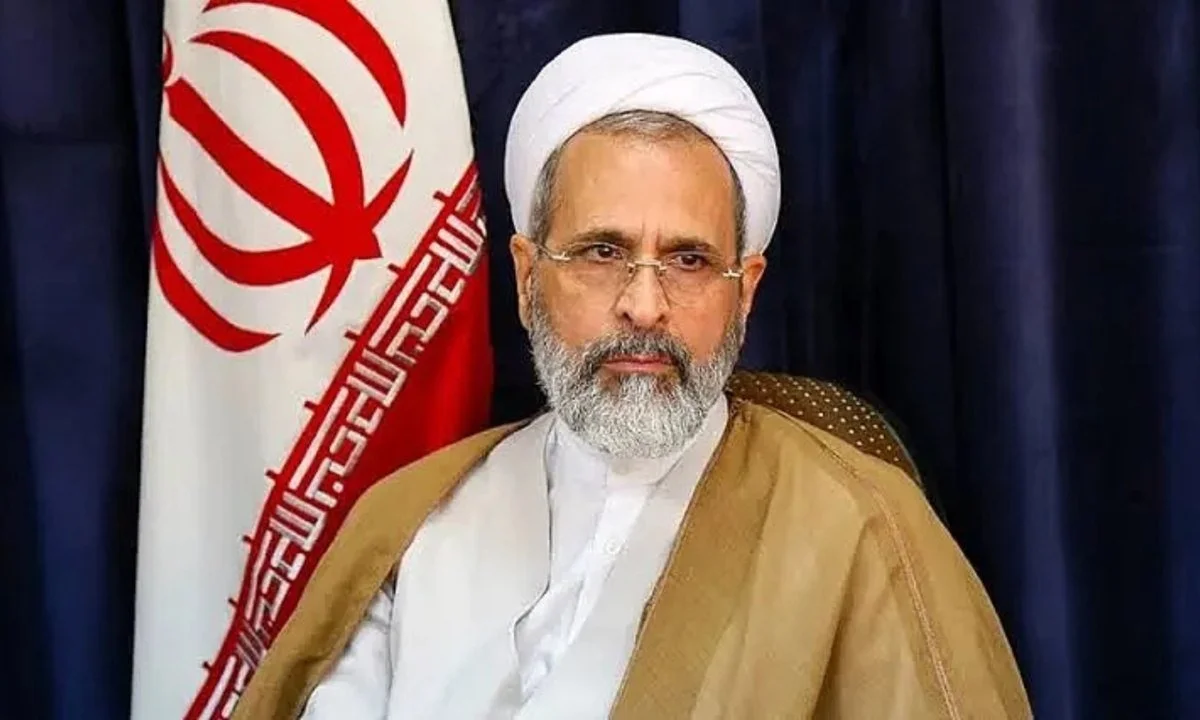
Iran’s internal stability and succession mechanics are now part of the operational environment. With reporting that Khamenei has been killed, attention is shifting to interim leadership arrangements and likely successors. New reporting highlights Ayatollah Alireza Arafi as a hardline cleric elevated to an interim leadership council and positioned as a potential contender, which matters less as personality politics and more as an early indicator that the system is trying to project continuity while under direct military pressure.
For U.S. persons on the ground, the risk posture has tightened. Americans in Iran are being told to shelter in place and, if safe, leave by land without expecting U.S. government support. The guidance emphasizes border options that may be open under specific conditions, but also flags detention risk and constraints for dual nationals, especially under degraded communications conditions.
