

ISIS Al Naba Issue 529 Highlights Expanded Africa Activity and Rejects “Moderation” Narratives
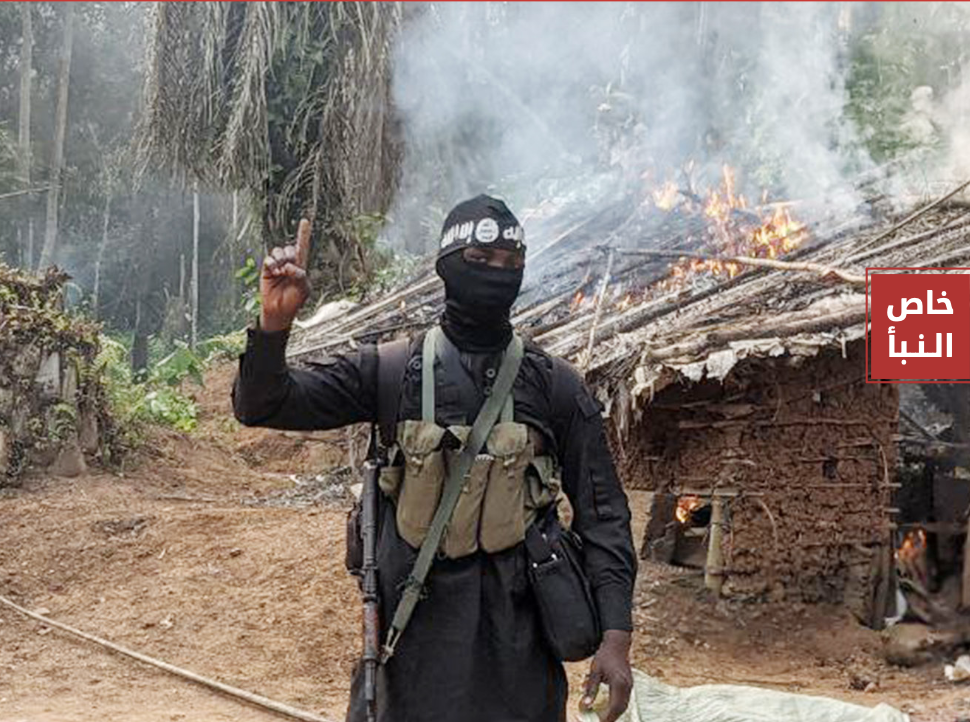
Source: Alfustat
Executive Summary
Al Naba issue 529 uses a mix of ideological messaging and claimed battlefield reporting to argue that “centrism” and “moderation” are tools meant to weaken jihadist commitment, while showcasing ongoing attacks across multiple theaters. The issue emphasizes pressure on security forces in West Africa, the Democratic Republic of the Congo, Somalia, and Syria, and repeatedly highlights weapons seizures as proof of momentum and sustainability.
Analysis
Al Naba 529 pushes an ideological line that frames calls for “moderation” as a trap and uses claimed weekly operations to reinforce the message that violence remains both legitimate and effective. The publication pairs this narrative with a geographic spread of attack claims, most notably in Africa, suggesting ISIS media is prioritizing the perception of expansion and resilience through regular, routinized reporting and frequent emphasis on raids that kill, wound, and seize equipment.
In West Africa, ISIS claims attacks on military points and patrols, including actions attributed to areas tied to Borno and other contested spaces, and highlights captured weapons and disrupted vehicles as key outcomes.
In the Democratic Republic of the Congo, ISIS claims larger casualty counts against Congolese forces in Ituri and additional killings in North Kivu.
In Somalia, ISIS claims lethal attacks against Puntland forces in the Bari region mountains.
In Syria, ISIS claims small unit style attacks including shooting members tied to the PKK in the Deir ez Zor area and an assassination style killing of a Syrian army member in Hama countryside.
Taken together, the issue is less about proving any single claim and more about shaping a consistent picture: ISIS is still fighting, still taking weapons, and still rejecting any off ramp narratives. The Africa focus is operationally important because it spotlights theaters where ISIS can claim repeated tactical successes with fewer immediate constraints than in Iraq and Syria, while also helping recruitment by portraying “open fronts” and achievable results.
Sources
Alfustat
