

Second Federal Shooting in Portland Increases Risk of Escalation as Anti ICE Protests Spread
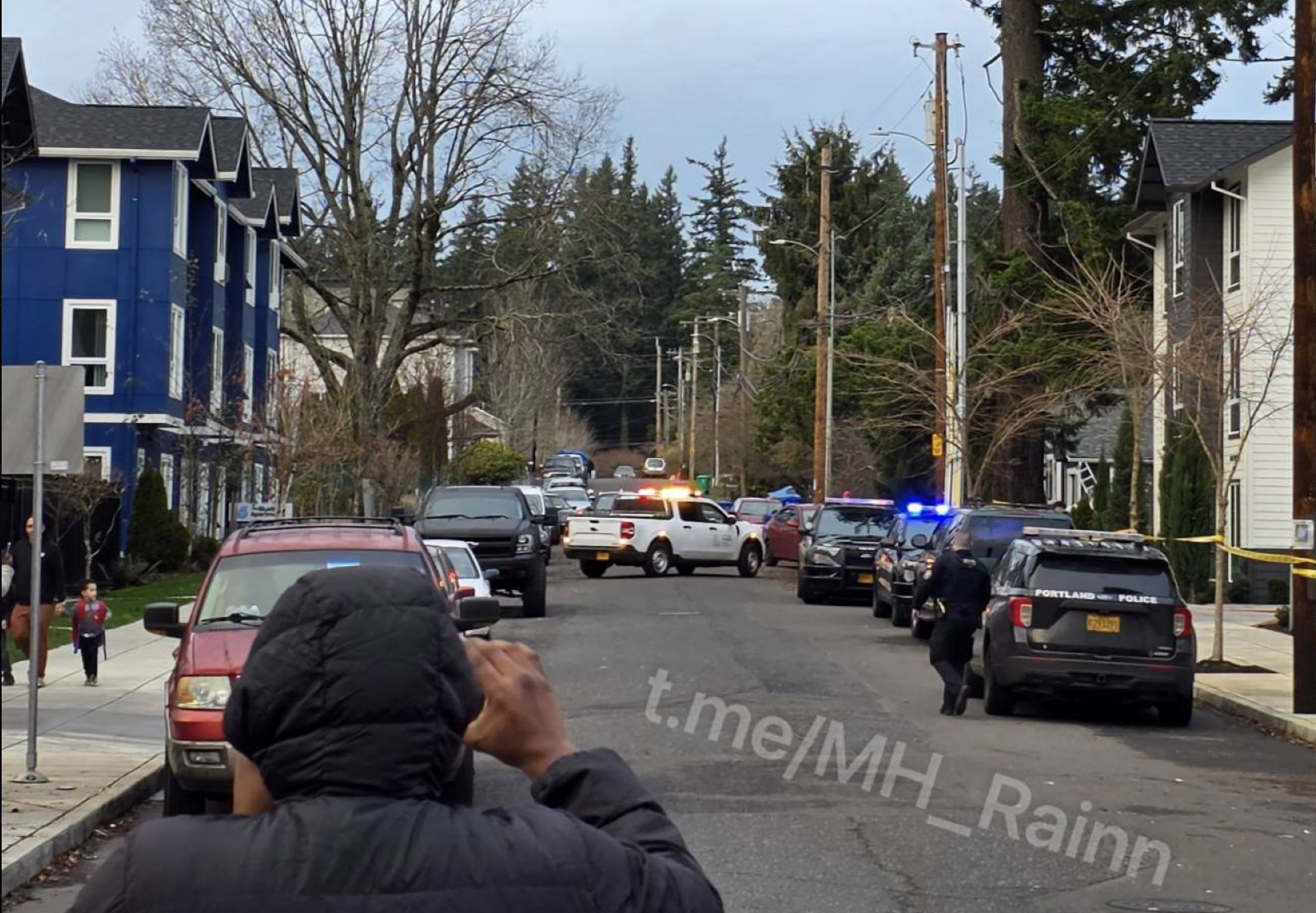
Source: Telegram
Executive Summary
A shooting by US Customs and Border Protection agents in Portland, Oregon, comes one day after a fatal ICE shooting in Minneapolis that already triggered fast moving protests and intense online anger. Two closely timed use of force incidents involving federal immigration agencies are likely to increase protest turnout, raise the chance of clashes near federal sites, and fuel more hostile rhetoric that could drive isolated acts of violence.
Analysis
The Portland incident is likely to deepen public anger and distrust toward federal immigration enforcement, especially because it happened immediately after the Minneapolis killing and during an expanding protest wave. Even without full details on what led to the Portland shooting, the pattern of repeated federal use of force in major cities is creating a self reinforcing cycle of fear, mobilization, and confrontation risk.
Portland Police and city officials said two people were shot by US Customs and Border Protection agents on January 8 and were transported to hospitals, with the FBI investigating the incident.
Authorities explicitly referenced “heightened emotion and tension” tied to the Minneapolis shooting, signaling awareness that the Portland incident could intensify unrest.
The Minneapolis case remains a national flashpoint because federal statements described the driver as attacking agents, while local leaders publicly disputed that description after viewing video.
A CrimethInc linked message amplified the Portland shooting as proof of systemic violence and urged people nationwide to “flood the streets,” indicating active mobilization messaging within anarchist aligned networks.
This environment increases the likelihood of protests concentrating at federal buildings, ICE related locations, and law enforcement facilities. While most protest activity described in open sources is framed as demonstrations and vigils, the volume of extreme language and the spread of rapid action calls raises the risk of opportunistic violence, miscalculation, or an overreaction by security forces. The next 48 to 72 hours are likely to be volatile in cities where protests are already organizing.
