

Jakarta School Mosque Blast: Emerging Extremist Influence Suspected but Motive Under Investigation
Executive Summary
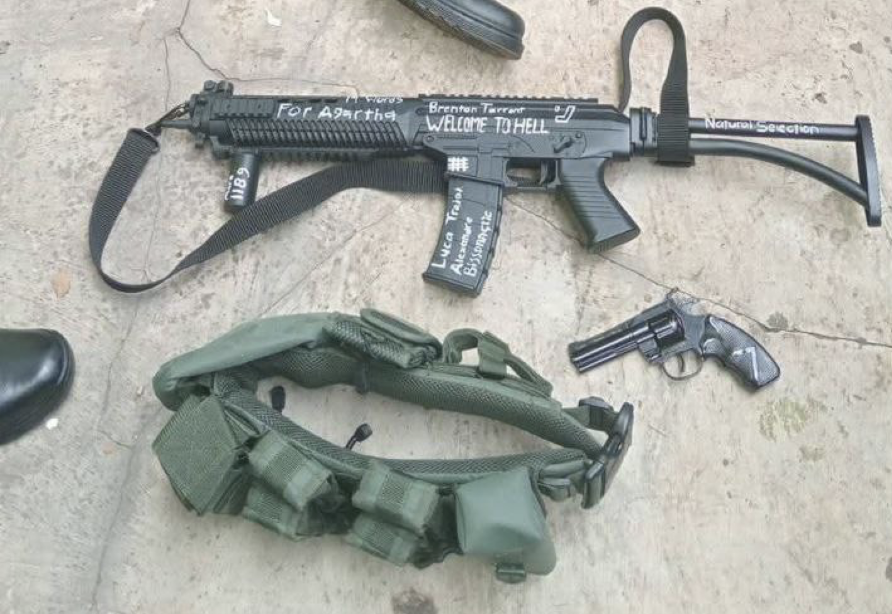
An explosion during Friday prayers at a mosque inside State Senior High School 72 (SMAN 72) in North Jakarta injured more than fifty people, including students and teachers. Indonesian authorities are investigating the cause, with initial reports indicating a homemade explosive device. The suspect, a 17-year-old student currently hospitalized, was reportedly bullied and displayed signs of social isolation. Objects found at the scene bearing references to Christchurch shooter Brenton Tarrant and Canadian mosque attacker Alexandre Bissonnette suggest possible ideological influence from far-right, anti-Muslim extremists. While police have not confirmed a terrorism motive, the presence of replica firearms inscribed with extremist slogans and the deployment of Indonesia’s elite counterterrorism unit, Detachment 88, underscore heightened concern.
Analysis
The explosion at SMAN 72 Jakarta very likely resulted from a single perpetrator using a homemade explosive device, with investigators still determining whether the act was ideologically motivated or the result of personal grievance. The presence of extremist imagery tied to known anti-Muslim mass shooters and the suspect’s pattern of isolation and exposure to violent content mirror behavioral indicators previously identified in lone-actor mobilization.
Indonesian police confirmed that 54–55 individuals were injured in the explosion inside the mosque during Friday prayers, and that a 17-year-old male student was under investigation while being treated for severe injuries.
Bomb disposal teams recovered materials consistent with a homemade device, along with two replica firearms—one inscribed with “Brenton Tarrant. Welcome to Hell” and “14 words,” references to white supremacist terrorism.
Witnesses and classmates described the suspect as a loner who was frequently bullied and known for drawing violent imagery; peers suggested the blast may have been a retaliatory or suicidal act.
While Indonesia’s Islamist militant threat has declined in recent years due to effective policing and community outreach, the emergence of far-right or revenge-motivated violence inspired by Western mass shooters would represent a significant evolution in domestic threat dynamics. The appearance of white-supremacist symbology in a Muslim-majority context suggests a transnational ideological diffusion facilitated by online propaganda. Investigators are likely to explore whether the suspect accessed far-right materials through social media or extremist gaming forums, as these have previously served as incubators for similar attacks abroad.
Given the suspect’s youth, lack of organized support, and psychological distress linked to bullying, authorities may ultimately assess this incident as a hybrid act of personal grievance and ideological emulation rather than organized terrorism. However, the event underscores how the symbolic power of global extremist figures like Brenton Tarrant continues to inspire acts of targeted violence even across cultural and geographic divides.
