

Iran’s Water Crisis Puts Tehran on the Brink of Collapse
Executive Summary
Iran is experiencing one of the most severe water shortages in its modern history, with Tehran’s main reservoirs expected to run dry within two weeks. The combination of a historic drought, overexploitation of groundwater, and decades of poor management has brought the country’s capital and other major cities to the edge of a humanitarian and environmental disaster. Iranian officials have warned of imminent water rationing, a situation that could intensify public unrest and further destabilize the country’s fragile economy.
Analysis
Iran’s ongoing drought—now in its sixth consecutive year—has sharply reduced rainfall and dam inflows across the country, leaving 67 percent of reservoirs empty. Tehran’s Amir Kabir Dam, which supplies most of the capital’s drinking water, holds only 14 million cubic meters—enough for less than two weeks. Authorities have described the situation as “red and fragile,” with no rainfall recorded since late September and forecasts showing no improvement through November.
Behzad Parsa, head of the Tehran Regional Water Company, reported a 43 percent decline in inflow to Tehran’s dams compared to last year, alongside a complete lack of autumn rainfall.
Tehran’s water demand stands at approximately three million cubic meters per day, while supply continues to drop due to the “worst drought in decades.”
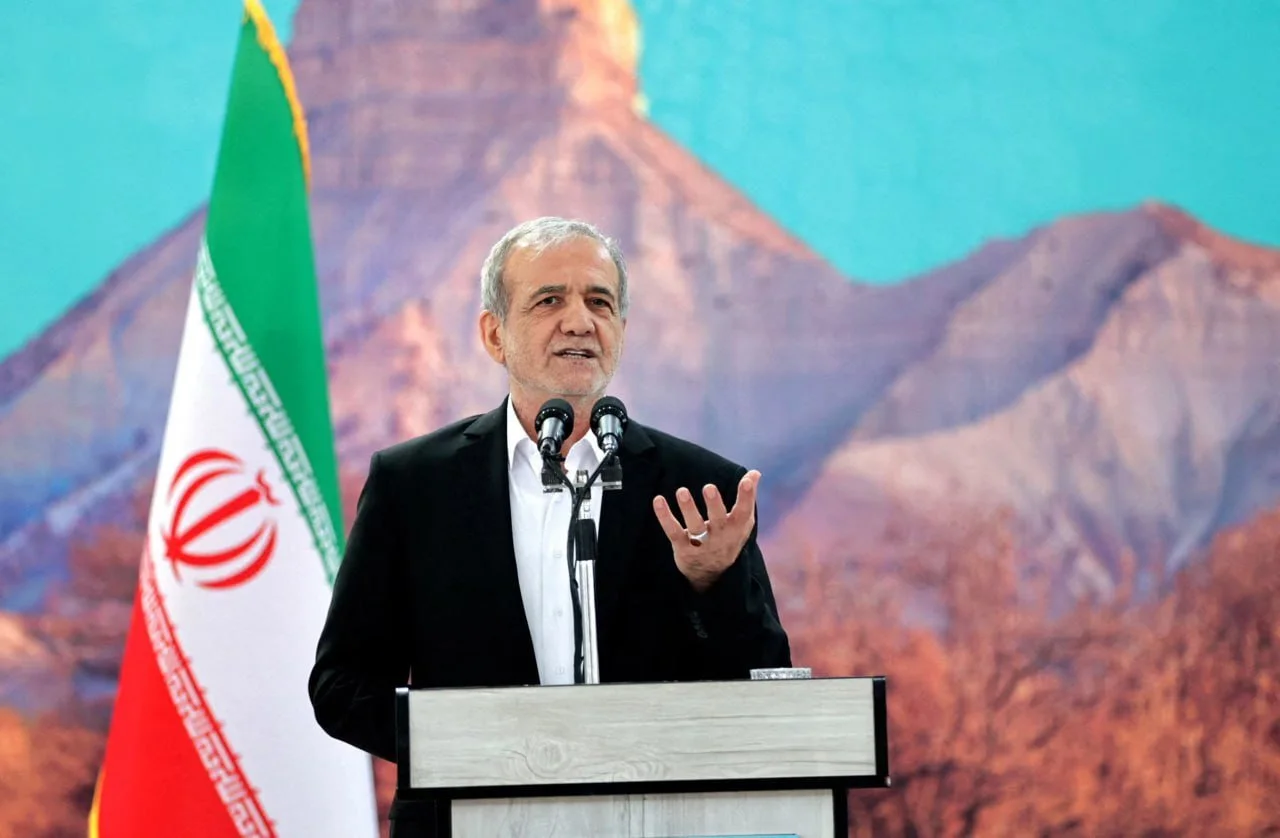
President Masoud Pezeshkian stated that the government will not cut industrial utilities, urging citizens to reduce water and power consumption to avoid “absolute crisis.”
Officials in Mashhad and Isfahan confirmed that water rationing is under review, with several emergency wells already dry and key reservoirs, such as Zayandehrud Dam, down to 13 percent capacity.
Iran’s water emergency has spread beyond Tehran, threatening national food production and worsening inflation. Drought has crippled agriculture in fertile regions, pushing food prices—especially fruits and grains—to record highs. Reports from Kurdistan and other provinces indicate that fruit prices have doubled, making basic nutrition unaffordable for many families. The crisis is also causing land subsidence in rural areas as aquifers are overdrawn, damaging farmland, roads, and buildings.
This deepening water crisis has become both an economic and security issue for the Islamic Republic. Public frustration with mismanagement, corruption, and infrastructure decay has already led to sporadic protests. Environmental degradation—combined with rising food costs and energy shortages—poses a growing challenge to the government’s ability to maintain stability. Experts warn that unless Tehran enacts large-scale reforms in water management and consumption, Iran could face irreversible ecological and societal damage within years.
