

Oman Calls for Renewal of US-Iran Nuclear Talks Amid Rising Tensions
Executive Summary
Oman has publicly urged both the United States and Iran to resume nuclear negotiations that were derailed by the Israel-Iran conflict in June 2025. Omani Foreign Minister Badr Albusaidi, speaking at the Manama Dialogue in Bahrain, criticized Israel’s airstrikes as “an illegal and deadly act of sabotage” that disrupted what he called a “decisive round” of talks. The appeal comes as Iran’s Supreme Leader Ayatollah Ali Khamenei reiterated that Tehran’s conflict with Washington is “intrinsic” and not tactical, setting strict conditions for any future engagement. Meanwhile, U.S. President Donald Trump claimed responsibility for ordering extensive strikes on Iran’s nuclear facilities earlier this year, asserting that the country’s nuclear capability has been “knocked out.”
Analysis
Oman’s renewed mediation effort underscores the Gulf state’s consistent role as a quiet broker between Washington and Tehran. Its call to restart talks highlights regional unease over continued escalation since the June airstrikes on Iranian nuclear sites, which halted months of back-channel negotiations. Muscat’s appeal contrasts sharply with Tehran’s hardened tone, as Ayatollah Khamenei’s recent speeches framed the U.S.–Iran relationship as a clash of civilizations rather than a diplomatic dispute. His insistence that the U.S. must end its support for Israel and remove all regional military bases before Iran considers cooperation suggests limited space for renewed engagement in the short term.
Oman’s foreign minister stated that his country had hosted five rounds of U.S.–Iran nuclear talks before the Israel-Iran conflict derailed progress, describing Israel’s actions as sabotage intended to block diplomacy.
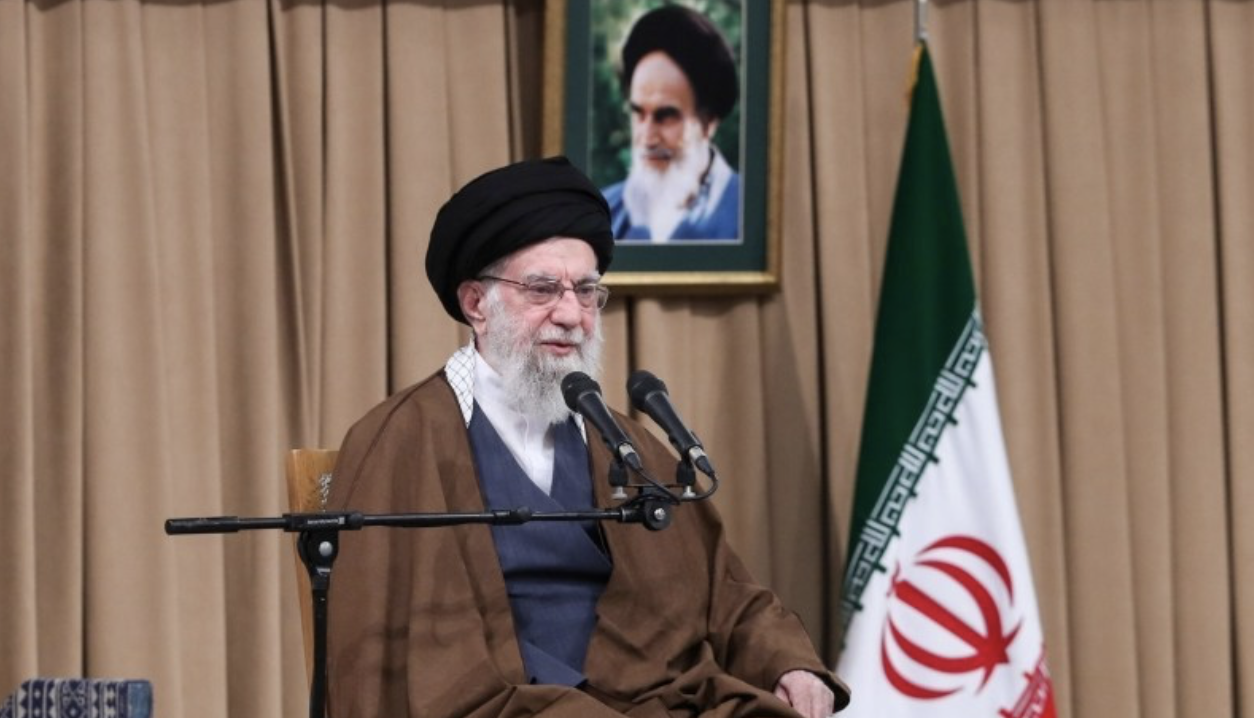
Ayatollah Khamenei told Iranian students that Iran’s differences with the United States are “intrinsic” and stem from U.S. interference, sanctions, and regional military presence; he tied any future cooperation to the complete withdrawal of U.S. forces from the Middle East.
In remarks to CBS’s 60 Minutes, President Trump confirmed he ordered B-2 bomber strikes on Iranian nuclear sites in June and claimed the operation “knocked the hell out of Iran,” asserting that Tehran now has “no nuclear capability.”
Regional officials view Oman’s statement as a signal that Gulf states seek de-escalation and dialogue even as Iran and the U.S. remain entrenched in mutual distrust and hardline rhetoric.
The convergence of Oman’s diplomatic outreach, Iran’s ideological rigidity, and Trump’s public boasting of airstrikes leaves the nuclear file in limbo. Tehran’s leadership appears intent on projecting defiance as part of a broader narrative of resistance, while Washington touts military pressure as effective leverage. In this environment, Omani mediation faces an uphill path but remains the only channel trusted by both sides. The next weeks may reveal whether Oman’s call sparks backdoor contacts or if rhetoric continues to overshadow diplomacy.
