

Lviv Bombings Kill Police Officer, Wound Two Dozen, Ukraine Calls It Terrorism
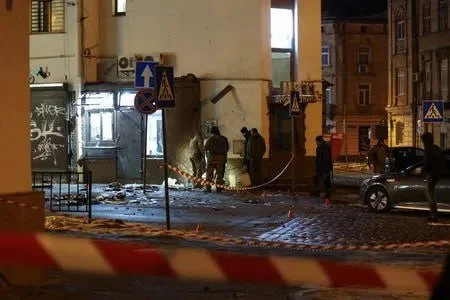
Source: Telegram
Executive Summary
Two explosions hit central Lviv around midnight February 22, 2026, killing a patrol police officer and wounding roughly two dozen people. The blasts occurred in sequence as police units arrived in response to a reported store break in, suggesting an attack designed to target first responders and then amplify casualties. Ukrainian authorities opened a terrorism investigation and announced detentions, including a suspect they say acted on instructions from a Russia based handler.
Analysis
This looks less like random violence and more like a simple, repeatable trap built around a predictable ritual: police respond, gather near the scene, and then the bomb does the rest. The key detail is timing. The first device went off after the initial crew arrived. The second went off after a follow on crew arrived. That sequencing matters because it turns a single blast into a controlled escalation and it increases the odds of hitting uniformed responders, clustering bystanders, and adding panic on a second beat when people are already disoriented.
Ukrainian police said the incident began with a call reporting a shop break in near the city center and that explosions followed after patrol crews arrived, with a second explosion occurring later after another crew reached the scene.
Authorities said preliminary findings indicate homemade explosive devices, with reporting that devices were placed in rubbish bins, consistent with concealment in a dense pedestrian area and rapid deployment without specialized logistics.
Officials identified the deceased as a 23 year old policewoman, with police and prosecutors reporting about two dozen wounded and at least several in critical condition.
The mayor called it a terrorist act, prosecutors opened a terrorism investigation, and Zelensky said suspects were detained; police later said a woman was detained near the Polish border and suspected of acting on instructions from a Russian handler.
What is still unknown is what would make this case decisive: whether the “break in” call was genuine, spoofed, or coordinated; whether there were additional devices that failed or were removed; and whether the suspect acted alone or as part of a small facilitation chain. The allegation of Russian tasking is plausible in the sense that Russia has both motive and a history of covert action claims and counterclaims in this war environment, but the public record here is thin. The real tell will be in the mechanics: communications with a handler, money movement, reconnaissance, procurement patterns, and whether the scene was engineered to pull police into a kill zone. The choreography, not the rhetoric, is what will ultimately distinguish a local actor from an externally directed operation.
