

Oregon Man Charged with Two Counts of Domestic Terrorism After Arson Campaign Against Power Infrastructure Near Fossil
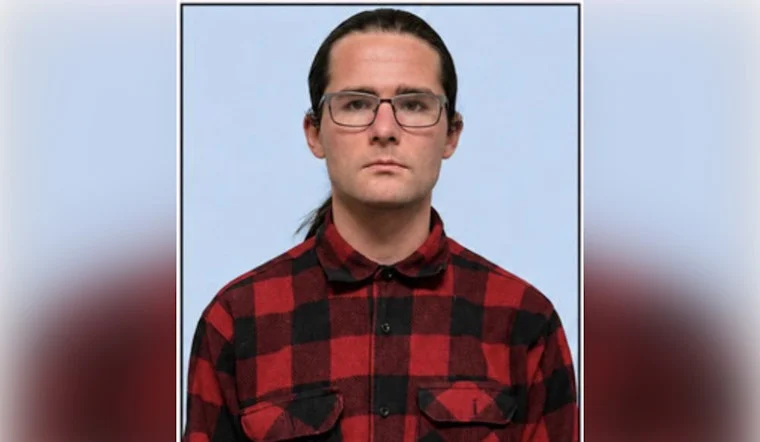
Ethan Noble Burlingame/Source: X | @debbiea22238066
EXECUTIVE SUMMARY
Ethan Noble Burlingame, 28, was arraigned on two counts of domestic terrorism, along with arson, burglary, theft, criminal mischief, reckless burning, and interfering with a firefighter, following a series of fires he allegedly set near Fossil in Wheeler County, Oregon between June 2 and June 4. The fires targeted power poles and critical infrastructure; the domestic terrorism charges are based on the intentional disruption and destruction of critical infrastructure services. A multi-agency operation including Oregon State Police, the FBI, and eight county sheriff's offices located Burlingame after an eight-county search.
ANALYSIS
Wheeler County is a sparsely populated rural county in north-central Oregon with limited power grid redundancy. Power poles are the physical backbone of rural electricity distribution, and targeted arson against them can cause extended outages across wide service areas because replacement poles and line repair in remote terrain requires specialized equipment and extended crew access. The four-day campaign from June 2 to June 4 suggests deliberate and repeated targeting rather than a single impulsive act, and the breadth of the eight-county search area indicates investigators initially had limited information on the suspect's location or identity.
The decision to charge under Oregon's domestic terrorism statute rather than simple arson is prosecutorially significant. Oregon's terrorism statute, like its federal counterpart, requires proof of intent to disrupt or destroy critical infrastructure, a higher evidentiary bar than arson but one that carries substantially greater sentencing exposure. The FBI's involvement signals that federal prosecutors assessed the case as meeting the threshold for federal terrorism review, even if charges were ultimately brought at the state level. No motive has been disclosed by investigators or prosecutors. The absence of any claimed ideological or political framing by the suspect is notable: infrastructure attacks without stated motive are harder to assess for future threat patterns than those associated with a specific movement or grievance.
The peaceful surrender, achieved by an OSP lieutenant via direct text message contact with the suspect after a tactical response was already underway, is operationally relevant. It demonstrates that even a subject who has committed a multi-day felony campaign involving critical infrastructure can be brought to surrender through persistent direct communication before a tactical breach is required.
SOURCES
