

Russian Drone Strikes Galati Romania Apartment Block; Two Civilians Injured in First Confirmed NATO Civilian Casualty
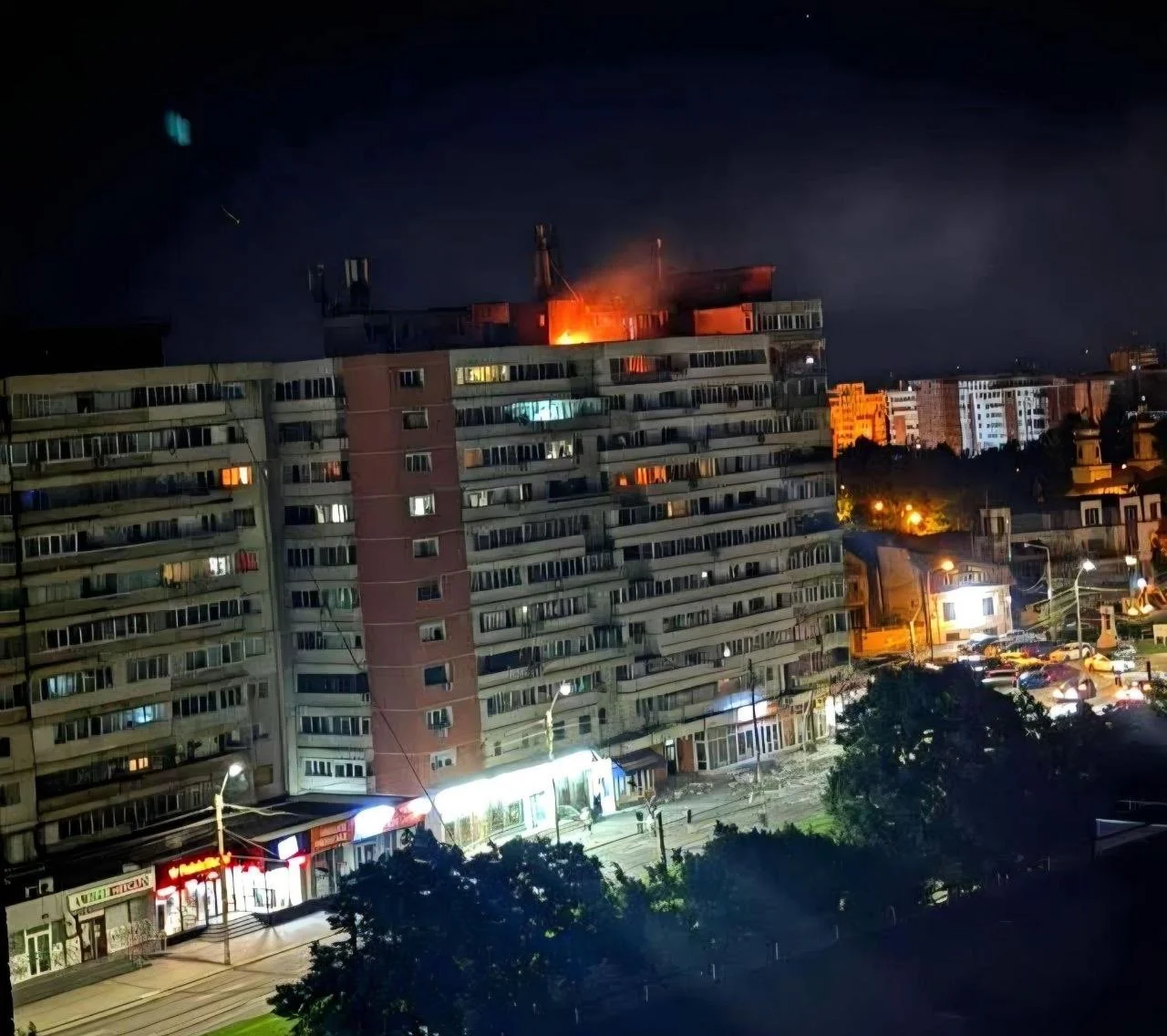
Source: X | @War_Radar2
EXECUTIVE SUMMARY
A Russian drone struck the roof of a residential apartment building in Galati, Romania on May 28, injuring two civilians, in what Romanian President Nicusor Dan called the most serious incident to affect Romanian national territory since Russia's full-scale invasion of Ukraine began. The strike is the 28th documented breach of Romanian airspace by Russian drones since Moscow began targeting Ukrainian Danube ports. NATO allies condemned the strike; Romania did not intercept the drone prior to impact, citing the risk to civilian safety.
ANALYSIS
Galati lies on the Danube directly opposite Ukrainian Odesa oblast. Russian strike packages have repeatedly transited Romanian airspace en route to Ukrainian port infrastructure, and the accumulation of 28 documented incursions had already generated diplomatic friction within the Alliance before this event. The injury of two civilians inside a residential building represents a qualitative shift: prior Romanian incursions produced property damage to uninhabited structures or open terrain. The intersection of populated NATO territory and Russian drone routes has now produced confirmed civilian casualties.
Romania's decision not to engage the drone reflects standing Alliance guidance that prioritizes civilian safety in populated areas over intercept, but that doctrine is being stress-tested as incursion frequency and consequence accumulate. US Ambassador to NATO Matthew Whitaker labeled the incident a reckless incursion. Alliance response was verbal and condemnatory with no Article 4 consultation publicly triggered as of May 29.
The strategic concern is normalization. Each Russian incursion into NATO airspace that proceeds without a kinetic response from the Alliance demonstrates a manageable liability threshold to Moscow. Romania may face domestic pressure to revise intercept rules of engagement, which would itself represent a significant NATO policy development. The pattern of incursions also illustrates a de facto Russian assumption that the Danube corridor functions as a permissive transit route regardless of Alliance borders.
SOURCES
