

Spain Breaks Up The Base Cell as Atomwaffen Messaging Casts Group as Kremlin Tool and Operational Liability
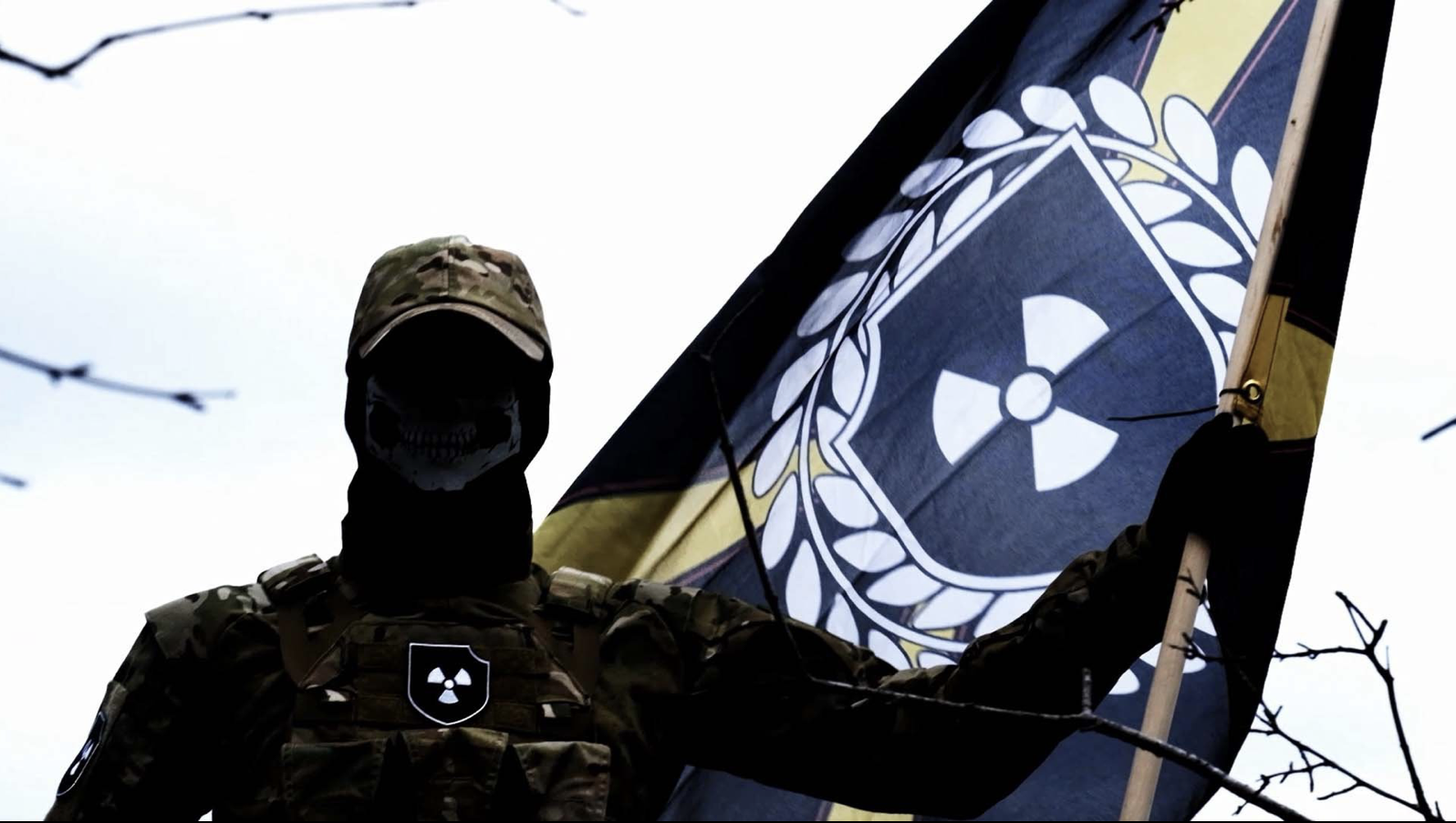
Source: Telegram – AWD Channel
Executive Summary
Spain’s arrest of three alleged members of a local cell of The Base, including a suspected leader in direct contact with founder Rinaldo Nazzaro, shows the neo-Nazi accelerationist network still recruiting, training, and stockpiling weapons in Europe even after multiple designations as a terrorist group. At the same time, Atomwaffen Division–linked propagandists are now publicly attacking Nazzaro and The Base as a Kremlin-directed asset that pushes militants into “terrorism/sabotage for the Kremlin agenda,” warning their own audience not to work with anyone tied to “federal entities” or Russian interests. This combination of law enforcement pressure and intra-movement distrust highlights both the ongoing threat from small, well-armed cells, and growing fragmentation inside the global white supremacist accelerationist scene.
Analysis
Spain’s operation shows that The Base’s strategy of decentralized “cells” continues to produce small but potentially dangerous clusters of adherents in Europe, with members moving beyond online propaganda into paramilitary training and attack planning. Accelerationism here refers to the belief that extremists should speed up the collapse of democratic systems through violence and chaos.
Spanish police arrested three people linked to The Base in Castellon province, calling it the country’s first known cell tied to the group and remanding the suspected leader in custody.
Authorities say the suspects were highly radicalized, had conducted paramilitary-style training, and expressed willingness to carry out “selective attacks.”
The raids recovered two firearms, seven training weapons, ammunition, more than 20 knives, tactical gear, and neo-Nazi material, indicating preparation for armed action rather than purely ideological activity.
Police state the Spanish cell leader was in direct contact with Nazzaro, who recently called for consolidation of cells in several countries, suggesting ongoing efforts to knit local nodes into a wider network despite prior arrests.
In parallel, Atomwaffen Division–branded channels are leveraging the Spanish arrests to discredit The Base and Nazzaro, arguing he is effectively an agent of Russian intelligence and that his projects get Western militants imprisoned while serving Moscow’s interests. This messaging underlines deep suspicion inside the accelerationist milieu and a preference among some actors for looser, non-centralized organizing.
An AWD channel post cites the Spain case as “more men imprisoned” due to Nazzaro’s attempt to build a sabotage network under “White Globalism,” and bluntly states that Nazzaro “works for the Russian Government and pushes a Kremlin agenda.”
The same messaging claims Nazzaro has been involved in multiple incidents across the West, including an assassination of a Ukrainian intelligence officer, an attempt on Italian Prime Minister Giorgia Meloni using a decoy group, and the newly busted Spanish cell, casting them all as “fedops” (slang for government-linked operations).
AWD explicitly rejects centralized underground organizing, saying they “will not work with ANYONE associated with a Federal Entity” and present themselves not as a joinable group but a “standard for underground organizing,” paired with a quote from David Galula on insurgents prioritizing survival and long-term erosion of state will over “shock actions.”
This follows earlier AWD propaganda that distinguishes “guerrillas” from “terrorists,” attacks other far-right factions for reckless lone-actor violence, and frames themselves as advisors and vanguard for a broader National Socialist insurgency rather than a large, visible brand.
These claims sit against a backdrop of prior reporting that already raised questions about Nazzaro’s ties and intent. Former members of The Base have anonymously accused him of being a Russian intelligence asset, citing his move to Russia, use of Russian platforms (VK, Mail.ru), and observed Russian-language texting; open-source reporting has shown he once worked in a classified role for U.S. special operations as an analyst before appearing on Russian state media to deny any link to security services. The Base’s recent offers of cash for sabotage and assassinations in Ukraine, and video claims of burning vehicles and infrastructure there, align closely with Russian strategic aims, even if direct control remains unproven.
Spain’s dismantling of this cell is therefore important on two fronts: it removes an immediate, small-scale threat inside the EU and adds weight to the argument, pushed both by critics and rival extremists, that working with The Base significantly increases the risk of arrest or co-option by foreign or domestic security services. At the same time, the ideological framework—accelerationism, cell-based organization, and glorification of sabotage—remains attractive to a subset of militants who may instead drift toward more nebulous networks like those orbiting Atomwaffen’s legacy. The result is not the disappearance of the threat but its continued mutation into smaller, more paranoid, and potentially harder-to-map clusters that still see violence and infrastructure disruption as their primary tools.
