

Tehran Says Mojtaba Khamenei "Fully Recovered" From War Injuries; First Public Health Update From The Iranian Supreme Leader Since March 8 Succession
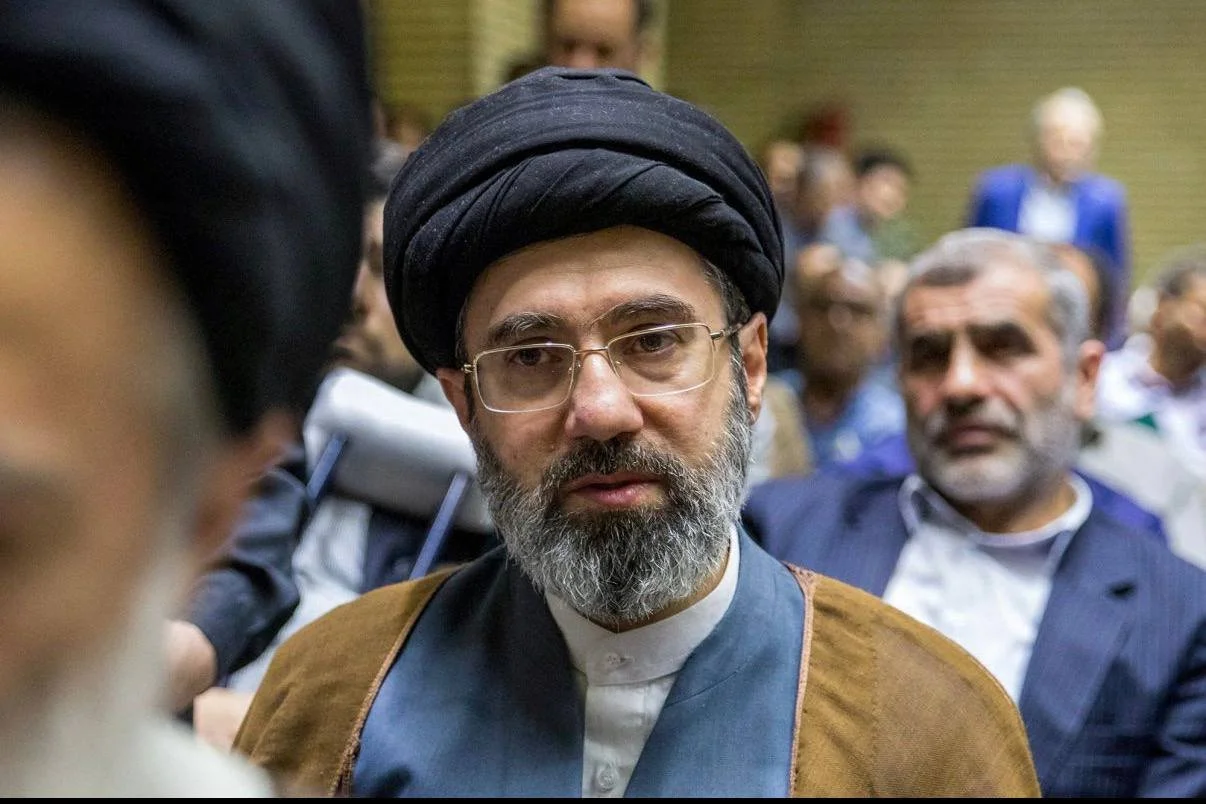
Mojtaba Khamenei/Source: Telegram | Bellum Acta
EXECUTIVE SUMMARY
An Iranian official told Iran's Tasnim Agency on May 9 that Supreme Leader Mojtaba Khamenei has fully recovered from his injuries and is in good health. This is the first public health statement from Tehran on Mojtaba's condition since he assumed the post on March 8 following the death of his father Ali Khamenei in the February 28 opening day strikes. Mojtaba had been reported to have suffered severe facial burns, leg injuries, and hand injuries; he has remained out of public view, with no photographs, video, or audio recordings released since taking office.
ANALYSIS
The timing is deliberate. The Tasnim statement lands in the middle of the one page MOU negotiation window with Washington, two days after CENTCOM struck Iranian sovereign territory at Qeshm Port, Bandar Abbas, Bandar Khamir, and Sirik, and 24 hours after Iran's strike on the UAE. Tehran is signaling that decision authority for accepting or rejecting the framework is consolidated, mentally sharp, and politically intact.
Mojtaba's reported injuries set: severe facial and lip burns affecting speech, leg injuries described as significant in one or both legs, and a hand injury that has been operated on and is regaining function. Earlier reporting from Reuters in April described him as leading negotiation strategy via audio conferencing while continuing to recover. Plastic surgeries are reportedly anticipated.
The statement does not include photographic or audio confirmation. Iranian dissidents abroad, Israeli intelligence sources cited by Israel Hayom and Iran International, and Western open source analysts continue to characterize Mojtaba's public absence as a credibility problem. The Tasnim release does not resolve that problem; it adds a denial.
The most operationally relevant inference is that the regime is positioning Mojtaba as the responsible signatory for any MOU outcome. A consolidated supreme leader is more likely to deliver a binding signature than a fragmented inner circle; conversely a consolidated leader newly recovered from US delivered injuries is also more politically constrained against publicly accepting a US drafted framework.
SOURCES
