

Thessaloniki Incendiary Attacks Claimed by Anarchist Group Targeting State and Commercial Infrastructure
Executive Summary
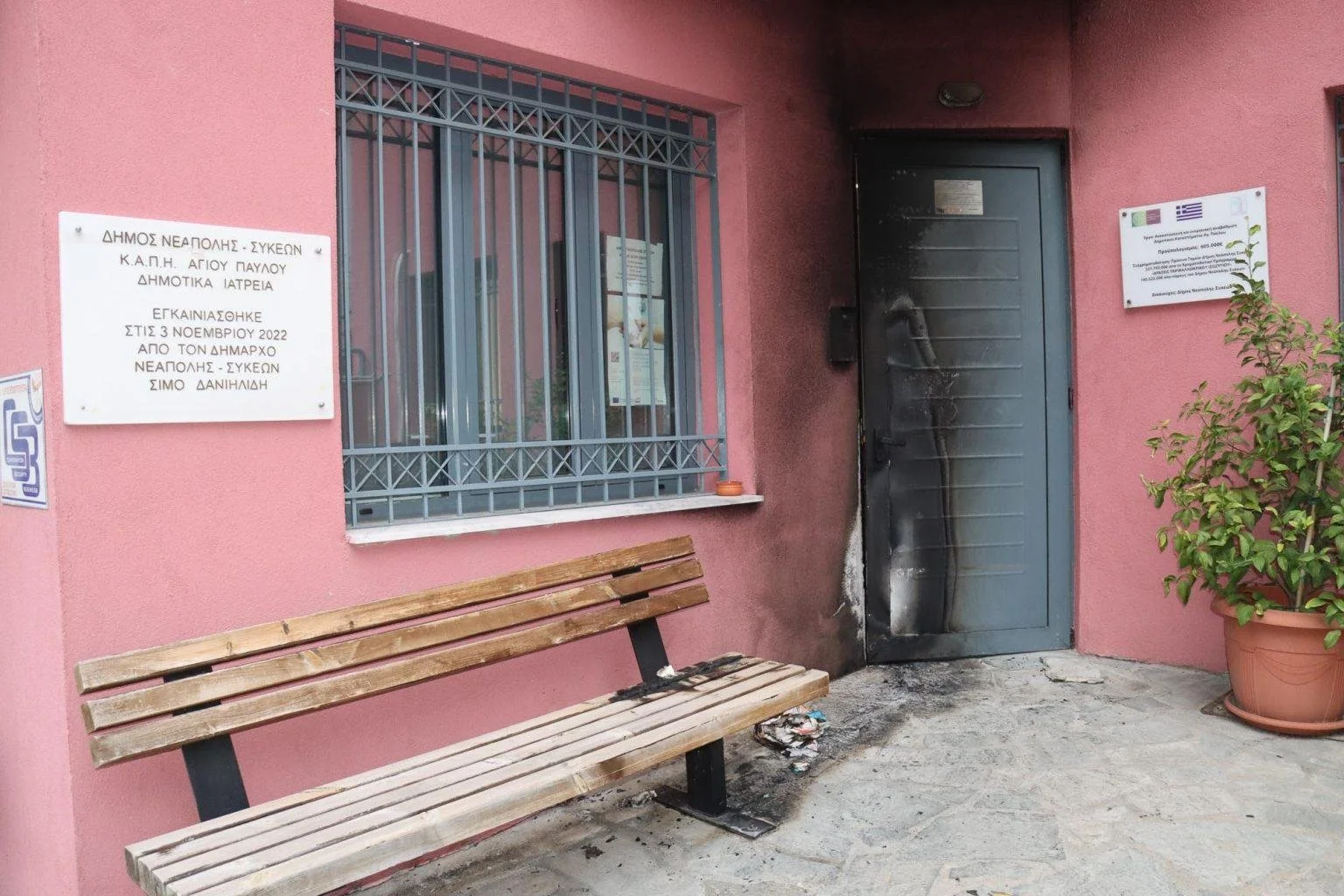
An anarchist group calling itself “Incendiary Anarchist Nous” released a public statement claiming responsibility for two incendiary attacks in Thessaloniki, Greece, targeting a municipal service building in October 2025 and a supermarket in November 2025. The statement frames the attacks as part of a broader anti capitalist, anti state, and anti Western campaign, explicitly linking local actions in Greece to global conflicts, including the Israel Gaza war and wider geopolitical rivalries. The group portrays Greece as an accomplice to imperialist wars and justifies violence against state and commercial targets as legitimate resistance.
Analysis
The responsibility claim reflects a blend of local grievance driven anarchist militancy and international revolutionary rhetoric, positioning small scale arson attacks as part of a global confrontation with capitalism, Western states, and perceived imperialism. The narrative seeks to legitimize violence against civilian infrastructure by embedding it within broader ideological claims about genocide, economic exploitation, and class oppression.
The group claimed an incendiary attack on October 14 against a building housing a Citizens’ Service Center and municipal offices in Agios Pavlos, Thessaloniki, describing municipalities as integral components of the state apparatus and corruption networks.
It also claimed responsibility for an incendiary attack on November 23 against a Masoutis supermarket in the Saranta Ekklisies area, accusing supermarkets of price fixing, labor exploitation, and collusion with the state.
The statement explicitly frames Greece as complicit in Israeli and US military actions, citing NATO membership, US bases in Larissa and Souda Bay, and economic cooperation with Israel as justification for domestic attacks.
The text glorifies past anarchist figures, calls for the release of imprisoned militants, and promotes solidarity with other incarcerated extremists, reinforcing continuity with Greece’s long standing anarchist militant milieu.
The rhetoric mirrors patterns seen in previous Greek anarchist and anti authoritarian groups, where arson and low level attacks are framed as symbolic strikes rather than mass casualty operations. However, the explicit endorsement of escalating violence against everyday economic targets such as supermarkets suggests a continued risk to local commercial infrastructure and municipal facilities, particularly in urban centers like Thessaloniki and Athens.
