

Trump Cuba Remarks and Sanctions Pressure Signal Escalating U.S. Strategic Posture
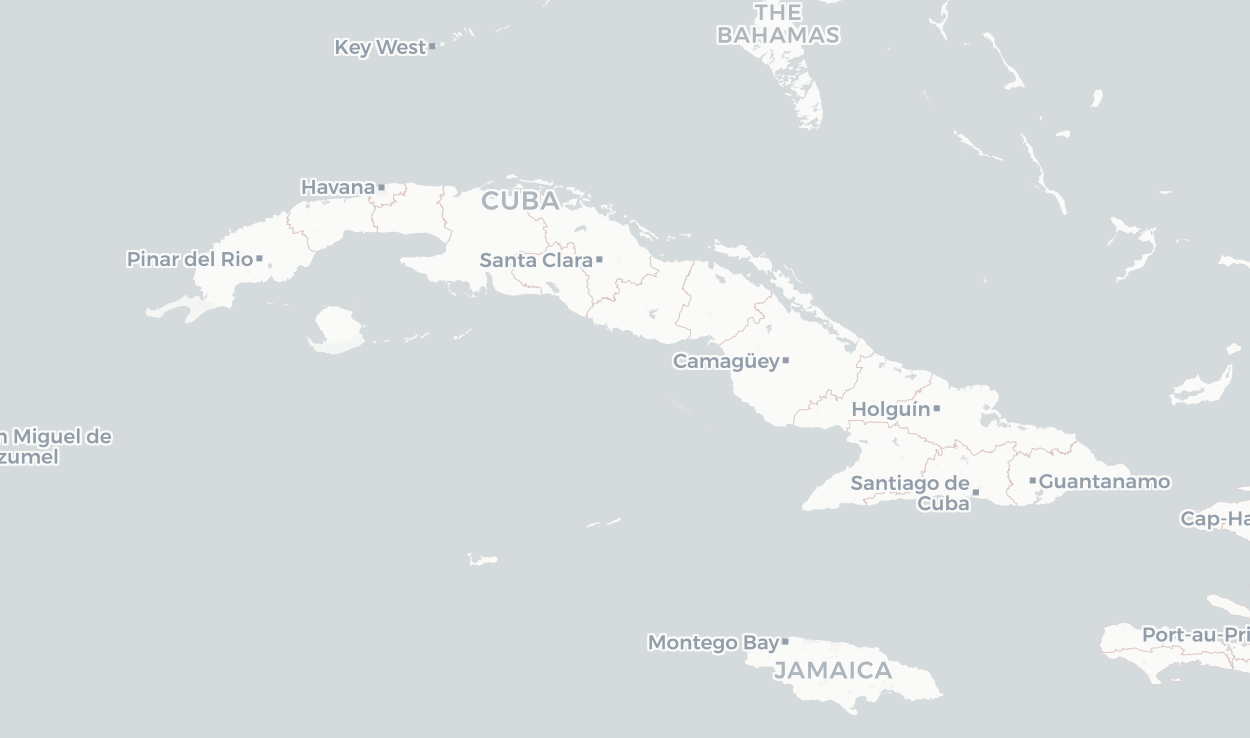
Cuba/Source: OSINT Threat Map
EXECUTIVE SUMMARY
President Donald Trump publicly joked that the U.S. could “take over” Cuba after military operations involving Iran, while his administration tightened sanctions targeting Cuban officials, state-linked sectors, and foreign financial institutions doing business with Havana. The remarks and sanctions come amid severe energy shortages in Cuba and growing pressure from South Florida’s Cuban American political community for a harder U.S. line, including regime change rather than limited economic concessions.
ANALYSIS
Trump’s comments at the Forum Club of the Palm Beaches framed Cuba as a potential follow-on issue after Iran, including a hypothetical deployment of a U.S. aircraft carrier near the island. The remarks were described as joking or teasing by multiple outlets, and the White House did not clarify whether they reflected policy or rhetoric. Still, the language landed in a larger context of U.S. pressure on Havana, including prior suggestions that military options remain possible.
The more concrete policy action was a new executive order tightening sanctions on Cuba. The order targets Cuban government officials, individuals accused of corruption or serious human rights abuses, and people operating in key sectors of the Cuban economy, including energy, defense, metals and mining, financial services, and security. It also increases pressure on foreign banks by threatening access to U.S. markets if they continue certain dealings with Cuban government-linked entities.
Cuba’s government rejected the measures as unilateral coercion and “collective punishment,” tying the announcement to May Day demonstrations against the U.S. blockade and energy restrictions. Cuban officials also framed the sanctions as extraterritorial and a violation of sovereignty. Havana has continued to reject negotiations under threat, with President Miguel Díaz-Canel insisting talks would require mutual respect and protection of Cuban sovereignty.
The pressure campaign is already producing economic and humanitarian effects. Reporting describes severe oil shortages following U.S. efforts to cut off Venezuelan supply and deter other shipments, with blackouts affecting transportation, health care, water, and food supplies. The sanctions appear designed to strain state capacity while limiting outside financial and energy lifelines, particularly from countries such as Russia and China.
The domestic political dimension is significant. South Florida Cuban American activists and political figures are pressing the administration to pursue full political change in Havana, not a limited economic reform deal. Politico described growing tension between hard-line diaspora expectations and the administration’s apparent willingness to consider negotiations or partial reforms. One poll cited in the reporting found that most Cuban exiles surveyed would be dissatisfied with economic reforms alone, while a significant majority supported some form of military intervention, split between regime-focused and humanitarian-focused action.
The administration’s challenge is balancing coercive leverage, diaspora expectations, regional stability, and migration risk. A sudden collapse or forced transition in Cuba could create second-order effects for Florida, maritime security, humanitarian response, and U.S. relations with Russia and China. At the same time, continued rhetorical escalation, sanctions pressure, and references to kinetic options increase signaling pressure on Havana and raise the risk of miscalculation if either side treats public messaging as operational intent.
SOURCES
