

UAE Dismantles 27-Member Iran-Linked Terror Cell Plotting Coordinated Sabotage Campaign
Source: X
EXECUTIVE SUMMARY
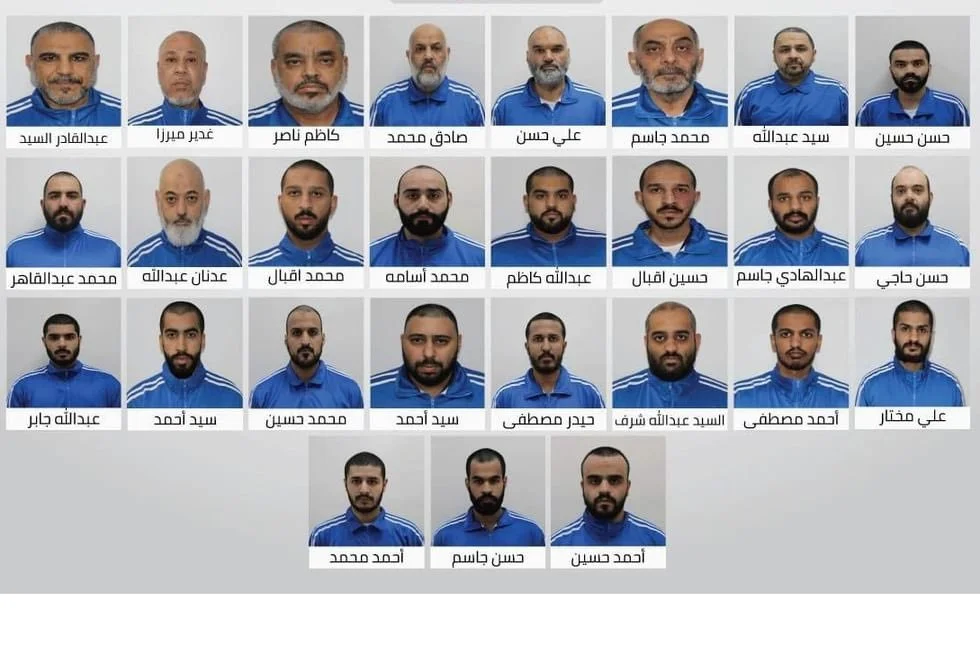
The UAE State Security Department announced on April 20 the dismantlement of a terrorist organization linked to Iran's Wilayat al-Faqih doctrine, arresting its members on charges including establishing a clandestine organization, pledging allegiance to external entities, and planning coordinated terrorist and sabotage attacks inside the UAE. The arrest of at least 27 individuals represents one of the most significant Iran-linked counterterrorism operations in the Gulf Cooperation Council states since the onset of the Iran conflict.
ANALYSIS
The UAE State Security Department stated that members held clandestine meetings both inside and outside the country with suspected terrorist elements and organizations. The cell was tasked with spreading ideology among Emirati youth, recruiting them in support of external loyalties, collecting funds through unofficial channels, and transferring those funds to unspecified entities abroad. The phrase 'systematic terrorist and sabotage acts' in the official UAE announcement suggests the cell had progressed beyond ideological organization toward operational planning, though specific targets have not been disclosed publicly.
The Wilayat al-Faqih, or Guardianship of the Islamic Jurist, is the foundational doctrinal principle of the Islamic Republic of Iran, placing supreme clerical authority above the state. IRGC-linked networks use the doctrine as an ideological organizing framework for overseas networks, particularly in Shia-majority communities in GCC states. UAE Shia communities, while relatively small, have historically been a recruitment target for Iranian intelligence and IRGC-aligned proxy networks. Gulf News separately confirmed a network linked to both Wilayat al-Faqih and Lebanon's Hezbollah was dismantled in the same operation, suggesting overlapping command structures.
The timing is significant. The April 21 ceasefire expiry, the April 19 USS Spruance seizure of the TOUSKA, and now the exposure of an Iran-linked cell inside the UAE collectively illustrate a multi-track Iranian strategy: conventional military pressure, maritime interdiction resistance, and proxy network maintenance in GCC states during negotiations. The UAE has maintained a complex posture throughout the Iran conflict, quietly facilitating back-channel diplomacy while simultaneously cracking down on Iranian intelligence activity on its soil. Any US military assets transiting through or stationed in UAE would benefit from heightened counterintelligence attention to local networks connected to this cell's parent organization.
SOURCES
Gulf News — UAE dismantles terrorist cell linked to Iran's Wilayat Al Faqih
The National — UAE says it dismantles terrorist cell and arrests members
Al Jazeera — UAE reports dismantling of Iran-linked terror cell
Khaleej Times — UAE busts Iran-linked terror cell over plot to destabilise state
Jerusalem Post — UAE dismantles terror network tied to Hezbollah, Iran
