

Pakistan Cross-Border Airstrikes in Afghanistan Trigger Border Clash as Islamabad Cites TTP Sanctuaries and India-Taliban Drift
Source: Telegram
Executive Summary
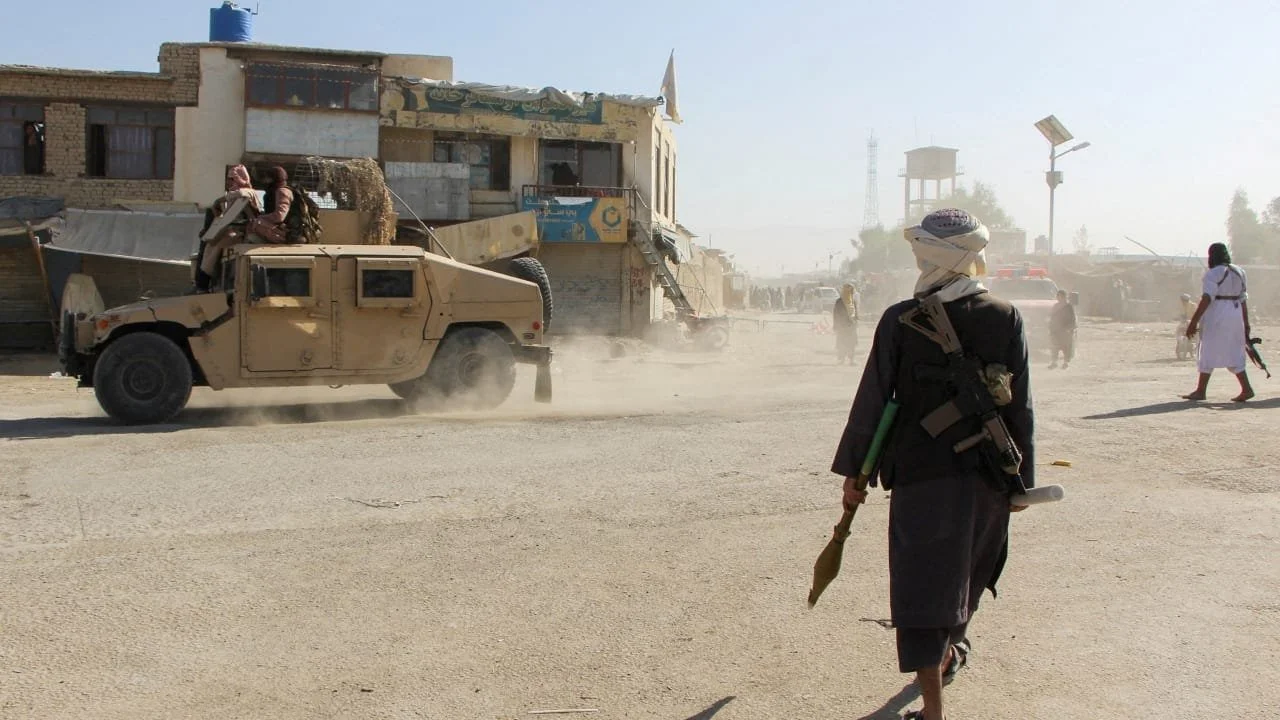
Pakistan launched airstrikes in eastern Afghanistan on February 22, 2026, claiming to hit Tehreek-e-Taliban Pakistan (TTP) camps after a run of suicide attacks inside Pakistan, while Taliban authorities said the strikes hit civilian areas and caused women-and-children casualties. By February 24, Reuters reports Pakistani and Afghan forces exchanged fire along the border, with both sides blaming the other, as India publicly condemned the air raids and backed Afghan sovereignty. The episode further strains a fragile ceasefire and underscores Islamabad’s “two-front” pressure: escalating militant violence at home alongside heightened regional competition and diplomacy.
Analysis
The reporting converges on a single escalation ladder: major attacks inside Pakistan → Pakistani cross-border strikes → Afghan condemnation/retaliation risk → border exchange of fire → India messaging enters the dispute. Key details differ by outlet, especially casualty figures and what was struck.
Trigger cycle inside Pakistan (pressure for a kinetic response)
Al Jazeera describes a rapid sequence of attacks in February: a suicide bombing at a Shia mosque in Islamabad (at least 36 killed, 170 wounded), a vehicle-borne attack on a security post in Bajaur (11 soldiers and a child killed), and a suicide bomber striking a convoy in Bannu (two soldiers killed, including a lieutenant colonel).
The Associated Press adds that the Bannu attack occurred hours before the strikes and that Pakistan warned it would not “exercise any restraint,” linking immediate tactical retaliation to a broader policy line that Kabul is not acting against TTP.
Airstrikes in Afghanistan (what Pakistan said vs what Kabul said)
Pakistan’s narrative (Al Jazeera/AP/Reuters): strikes targeted “camps and hideouts” in border areas, described as intelligence-based and aimed at TTP and affiliates; Pakistan’s claimed militant death toll ranges by source: AP reports at least 70 claimed, state media later said 80; Reuters cites Pakistani security sources putting the toll at 70; Al Jazeera reports Pakistani authorities claimed at least 80 militants killed across seven camps.
Kabul’s narrative (Al Jazeera/AP/Reuters): Taliban officials say the strikes hit civilian locations including homes and a religious school/madrassa, with “dozens” killed/wounded including women and children. Reported civilian death figures diverge: Al Jazeera cites Afghan sources saying at least 17 killed in Nangarhar alone; AP cites Afghan Red Crescent in Nangarhar reporting 18 killed; Reuters cites the United Nations Assistance Mission in Afghanistan (UNAMA) saying it received “credible reports” of at least 13 civilians killed and 7 injured in Nangarhar, while noting Taliban officials put the toll higher.
Border exchange of fire (escalation beyond airstrikes)
Reuters reports that on February 24, Pakistani and Afghan forces exchanged fire along the border, with Pakistan’s prime minister’s spokesperson calling it “unprovoked firing” by Taliban authorities in the Torkham and Tirah sub-sectors, while Afghan officials said Pakistani forces initiated. Afghan provincial and corps spokesmen placed the incident in Nangarhar (Nazyan/Shahkot area) and said fighting stopped with no Afghan casualties reported.
India enters the dispute (narrative and diplomatic amplification)
Al Jazeera highlights India’s condemnation of Pakistan’s strikes and its emphasis on civilian casualties during Ramadan, framing the raids as Pakistan “externalising internal failures.” This dovetails with Islamabad’s stated concern over growing India-Taliban engagement, including high-level Taliban diplomatic activity in New Delhi and India’s reopened embassy in Kabul (as cited by Al Jazeera).
Strategic context: ceasefire fragility and “two-front” stress
Al Jazeera characterizes the strikes as breaking a fragile ceasefire brokered after earlier border clashes and notes expert views that repeated strikes risk pushing Kabul and TTP closer, even as domestic pressure compels retaliation.
AP’s separate reporting on large-scale militant violence in Balochistan (January 31, 2026) reinforces the domestic security backdrop: coordinated attacks attributed to the Baloch Liberation Army killed civilians and security personnel, with Pakistani officials alleging India’s backing (claims denied historically by New Delhi). In combination with the February TTP-linked attack cycle, this reinforces why Islamabad is projecting deterrence westward while remaining highly sensitized to its eastern rivalry.
Bottom line
This is not a clean counterterror strike narrative. It is a contested cross-border escalation with competing casualty claims, immediate risk of tit-for-tat along the Durand Line, and an information contest where India’s public positioning increases Islamabad’s perception of strategic encirclement while the Taliban leverage sovereignty and civilian-harm framing.
