

Congress Returns from Recess with Iran War Powers Votes Imminent; May 1 Constitutional Deadline Creates Legislative Reckoning
EXECUTIVE SUMMARY
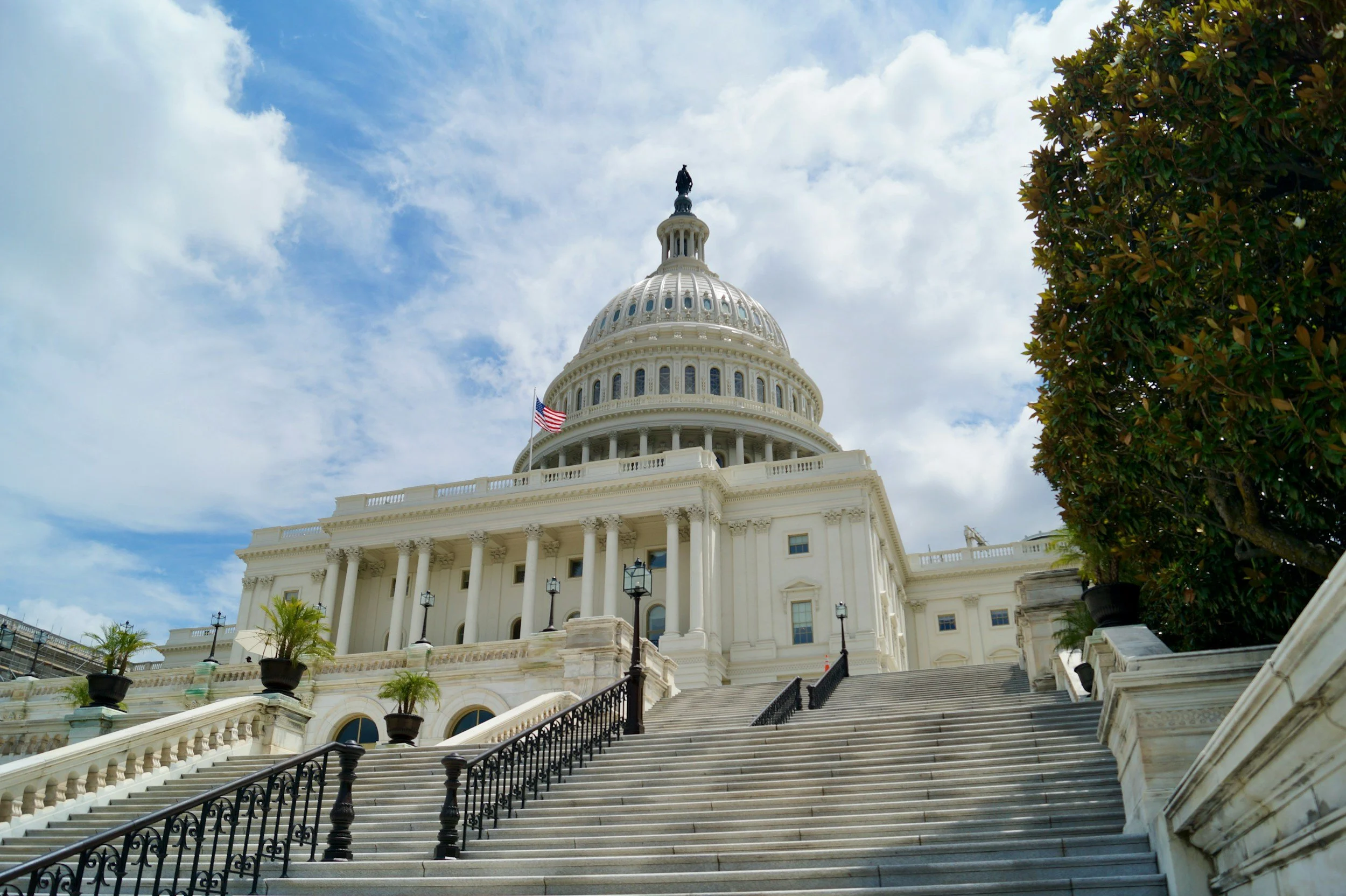
Congress returned from its two-week Easter recess on April 14, 2026, immediately confronting the Iran war debate in a capital transformed by the announcement of a naval blockade and the collapse of Islamabad talks. House and Senate Democrats plan to force separate war powers votes in both chambers this week. The War Powers Resolution 60-day clock expires approximately May 1, creating a legal threshold Congress has not formally addressed.
ANALYSIS
Operation Epic Fury is now in its seventh week with no formal congressional authorization. The War Powers Resolution requires the president to obtain congressional approval within 60 days of committing forces to hostilities. With the conflict initiated in early March 2026, that deadline falls approximately May 1. Democrats in both chambers announced plans to force separate war powers votes this week, citing the approaching statutory threshold as the basis for urgency.
Prior war powers efforts fell short by narrow margins: Senate voted 47 to 53 against, and House voted 212 to 219 against, in March. The landscape has shifted since those votes. The conflict now encompasses a naval blockade of Iranian ports, the destruction of two MC-130J Combat Kings and four MH-6 Little Birds inside Iranian territory during a rescue operation, and sustained Iranian strikes on Gulf partner nation infrastructure. Congressional Republicans in competitive districts face intensifying constituent pressure as the national gasoline average holds at $4.12 per gallon, up more than $1.20 since the conflict began.
Roll Call and ABC News report Democrats are framing May 1 as a moment of reckoning under the WPR framework: Congress either acts to authorize or terminate the conflict, or it implicitly ratifies the administration's position through inaction. The war powers resolution, if passed, would require the president to terminate US armed forces involvement in hostilities against Iran absent a declaration of war or a new AUMF. Speaker Johnson has not indicated voluntary scheduling. The critical variable is whether Republican defections, previously limited to a handful of members, expand as the duration and scope of the conflict grows.
The naval blockade announced April 12 and implemented April 13 adds constitutional complexity. The blockade of a sovereign nation's ports is a traditionally presidential wartime power under Article II, but it also potentially triggers separate WPR obligations as a new hostile action. The administration has not cited a specific legal authority for the blockade beyond the president's commander-in-chief powers and a presidential proclamation. Congressional oversight of the Hegseth flag officer purge, the USS Gerald Ford damage assessment, and the MC-130J equipment losses also await the returning legislature.
SOURCES
