

F-15E Strike Eagle and A-10 Thunderbolt Downed in Iran Theater; One Airman Still Missing
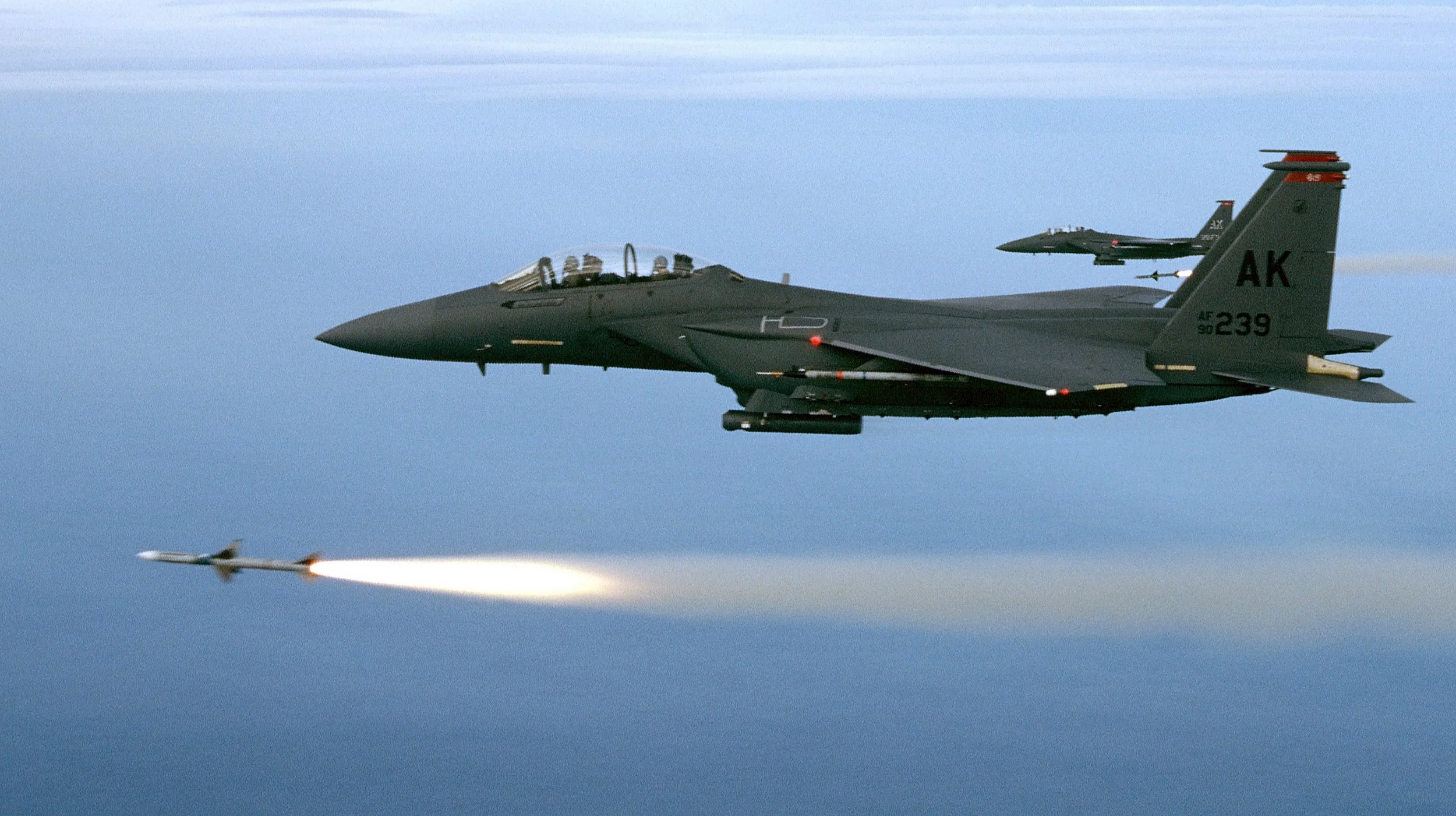
Source: USAF
EXECUTIVE SUMMARY
An F-15E Strike Eagle was shot down over the waters between Hengam and Qeshm Islands on April 3, marking the first confirmed downing of a US aircraft by enemy fire in more than two decades. One of the two crew members was rescued; the second, believed to be the weapons systems officer, remains unaccounted for as of April 4. A separate A-10 Thunderbolt II dispatched in support of the search and rescue operation was also struck by Iranian fire, with the pilot ejecting safely into Kuwaiti airspace before the aircraft was lost. Iranian state media published photographs of ejection seat components and Kohgiluyeh Province Governor Mostafa Salari announced a bounty for the crew.
ANALYSIS
The loss of two US aircraft in a single operational period represents the most significant single-day aviation attrition of Operation Epic Fury. The F-15E is a two-seat multirole strike fighter; the crew consists of a pilot and a weapons systems officer. Iran's ability to engage the aircraft indicates either a surface-to-air missile engagement or an advanced air defense system operating in the Strait of Hormuz approach corridor, an area of high US air activity throughout the conflict.
The missing airman's status is the immediate priority for US Central Command. Iranian media has claimed the individual was captured, a claim US officials have neither confirmed nor denied. The Kohgiluyeh governor's public bounty announcement signals Iranian authorities are actively coordinating local search efforts, raising the probability that the airman, if alive, is in or near Iranian-controlled territory. Local informant networks mobilized by financial incentive represent a significant threat to any rescue attempt.
The A-10 loss compounds the US air attrition picture. The A-10 was performing a close support or combat search and rescue escort role, a mission the aircraft is suited for, but which places it in lower altitude, higher threat environments. The aircraft successfully reached Kuwaiti airspace before going down, and the pilot is safe. The loss nonetheless signals Iranian air defense reach extending well into the Strait approaches and Gulf approaches used by US support aircraft.
Trump issued a 48-hour ultimatum on April 4 threatening Iran with consequences if the Strait of Hormuz is not reopened. The ultimatum was tied to ongoing indirect negotiations conducted through Pakistan, Egypt, and Turkey. The missing airman adds political pressure on the administration: any escalation must be calibrated against the risk to the unaccounted-for crew member, who could be used as a bargaining chip or hostage.
SOURCES
NBC News: U.S. F-15E fighter jet shot down over Iran, search and rescue mission underway
Air and Space Forces Magazine: F-15E Downed over Iran, A-10 Crashes in Region
Washington Post: Two U.S. warplanes shot down, search ongoing in Iran
CBS News: Trump warns Iran has 48 hours to reopen Strait of Hormuz
Telegram: Al-Nujaba / Muhafazat Khuzestan reporting; ejection seat photos circulated by Iranian media
