

Source: Stock Image
EXECUTIVE SUMMARY
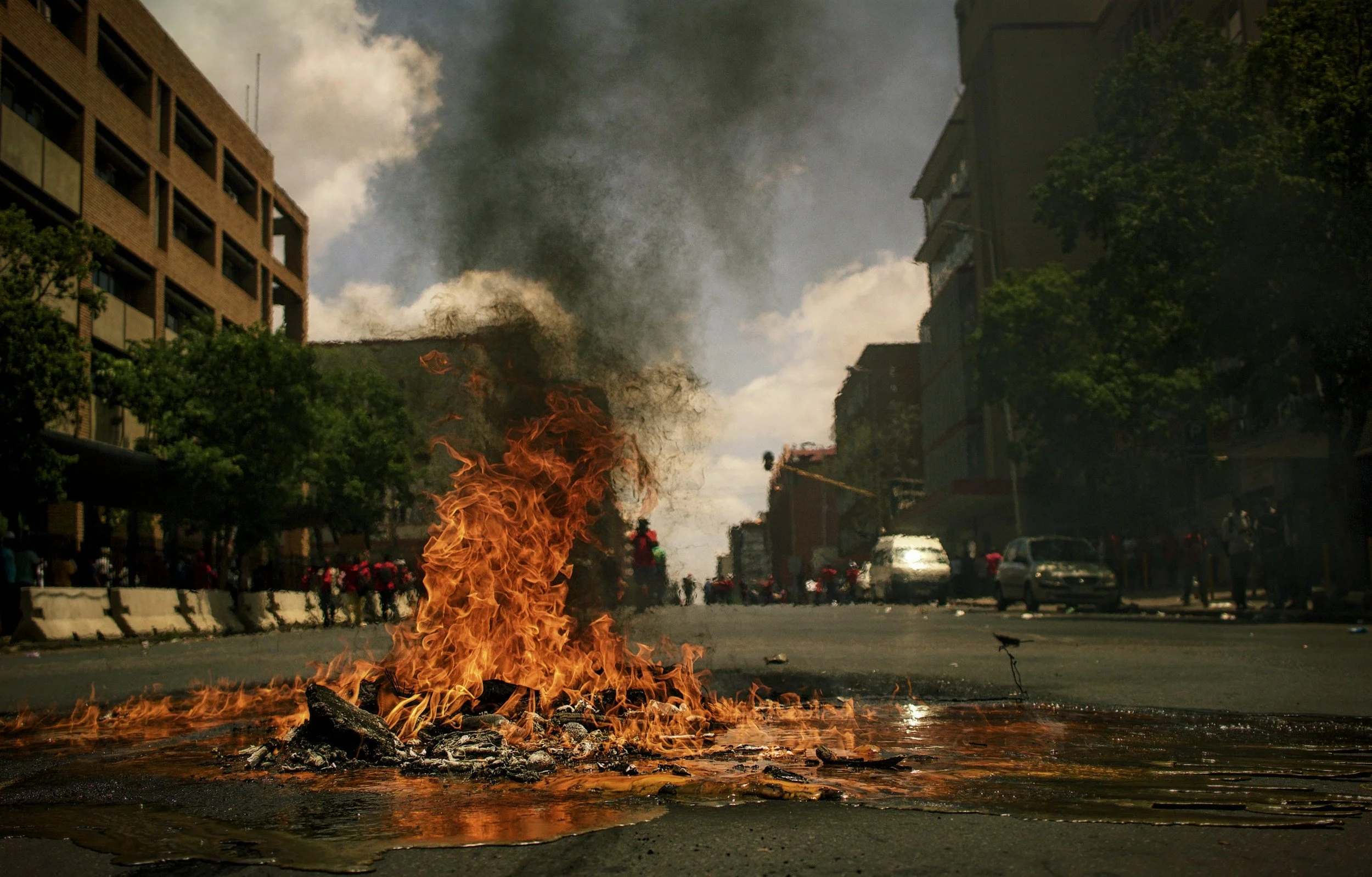
French Prime Minister Sebastien Lecornu directed prefects on October 19 to impose localized overnight curfews in multiple cities after three days of protests over cost-of-living conditions escalated into looting and clashes that left at least 2,400 people arrested and approximately 3,000 businesses damaged. The unrest has crossed France's borders, with Italian authorities deploying 500 troops to Milan and Albanian anti-government protests entering their fifth consecutive day.
ANALYSIS
Prime Minister Lecornu told prefects Monday to impose what he described as very limited and localized curfews in cities experiencing the worst rioting and looting. Overnight curfew orders took effect in Paris, covering Place de la Republique and the streets around the Les Halles shopping corridor, and in Lyon, Nice, Coulaines, and Lille. The Marseille prefect banned all protests and gatherings from noon to 8 p.m. Lecornu stated that no fatalities had been confirmed, though CNN reported at least two deaths. That discrepancy was unresolved at the time of reporting. At least 2,400 people were arrested nationally, and authorities estimated 3,000 businesses damaged or looted.
The protests began as demonstrations over the cost of living and school conditions and turned violent over the weekend in a pattern multiple outlets described as the worst domestic disorder France has seen in years. President Emmanuel Macron declined to accept his interior minister's resignation on Monday, keeping the cabinet intact while curfew orders were implemented. The French security posture shifted from crowd management to curfew-backed suppression during the course of October 19.
Italian authorities responded to two consecutive nights of unrest in Milan, where protesters threw projectiles and looted supermarkets before police deployed tear gas and water cannons, resulting in 32 arrests. Italian Deputy Prime Minister Matteo Salvini announced that 500 military personnel would deploy to Milan. Albanian anti-government protests tied to a student movement demanding Prime Minister Edi Rama's resignation have been underway for at least five days, with Tirana named among the affected cities by Council of Europe Secretary General Alain Berset, who posted publicly Saturday that unrest had spread from Paris to Milan, Brussels, and Tirana.
The transmission mechanism appears to be student-led social media coordination rather than an organized transnational structure. Protests in three EU countries within 72 hours indicate a regional cost-of-living protest cycle capable of rapid escalation.
SOURCES
