

Haiti Anthrax Investigation Prompts Dominican Republic Cross-Border Surveillance Response
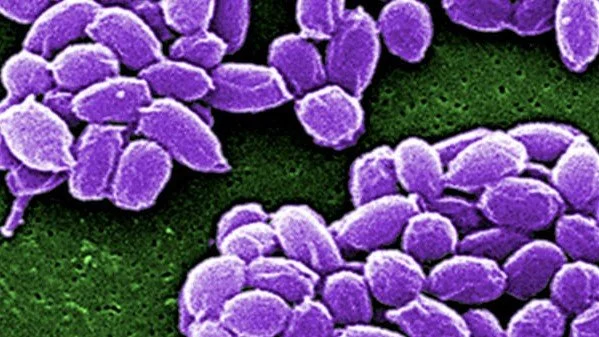
Source: CDC
EXECUTIVE SUMMARY
The Dominican Republic Ministry of Public Health announced enhanced epidemiological surveillance on September 11, 2026, after Haitian health authorities began investigating 13 suspected anthrax cases in the Grand'Anse department, where two people have died and 20 animals have been found dead since August 26. No cases have been confirmed in the Dominican Republic.
ANALYSIS
Haitian health authorities are investigating 13 suspected anthrax cases in Baliverne, a locality in the Dame-Marie commune of Haiti's Grand'Anse department. Two deaths have been reported among those under investigation. Epidemiologists identified 20 animal deaths in the area, consistent with livestock anthrax outbreaks that typically precede or accompany human exposure. The alert first reached Haitian health authorities on August 26 through community reports of illness near the commune. Contact with sick livestock is the primary exposure route under investigation. Neither human case has been laboratory-confirmed as anthrax as of September 11.
Anthrax is caused by the bacterium Bacillus anthracis, which primarily infects herbivorous livestock including cattle, sheep, and goats. Humans contract the disease through direct contact with infected animals or contaminated animal products. Person-to-person transmission is not a documented feature of anthrax, which limits spread risk across the Haitian-Dominican border. The US Centers for Disease Control and Prevention classifies anthrax as a Category A bioterrorism agent because the spore form can be produced and disseminated deliberately and because inhalation anthrax carries a high case fatality rate. The Grand'Anse cases present as naturally occurring zoonotic exposure, not deliberate release.
Dominican Republic Health Minister Victor Atallah announced September 11 that the ministry had reinforced epidemiological surveillance and updated guidelines for healthcare providers on identifying and immediately reporting suspected cases. The Dominican Republic shares a land border with Haiti on the island of Hispaniola. No anthrax cases have been confirmed in Dominican territory. The ministry is coordinating with the Pan American Health Organization (PAHO) and the World Health Organization (WHO), and the Dr. Defillo National Reference Laboratory maintains diagnostic capacity for anthrax confirmation.
SOURCES
