

Hamas and PFLP Reject Disarmament and External Guardianship as Gaza Ceasefire Talks Enter Next Phase
Executive Summary
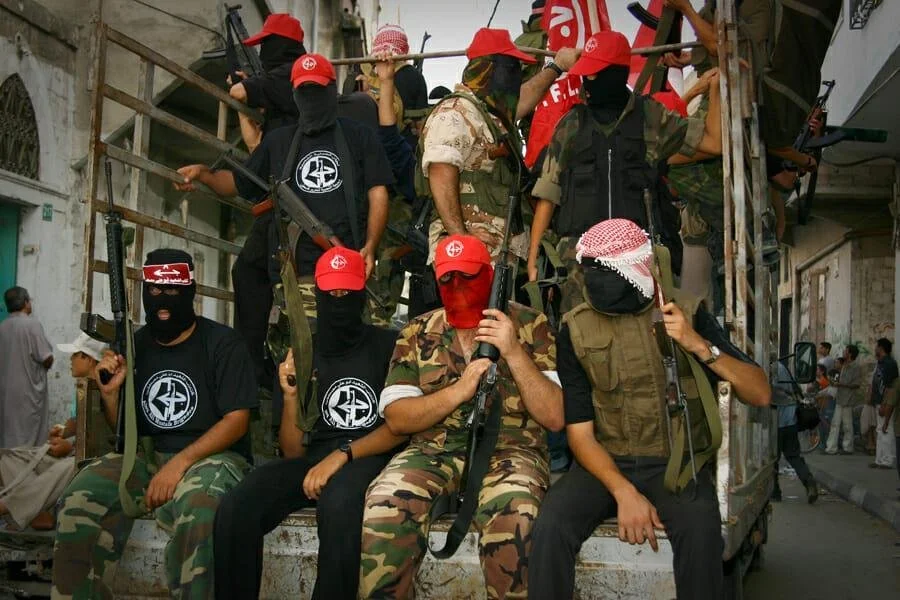
Hamas and the Popular Front for the Liberation of Palestine issued statements rejecting disarmament demands and opposing external governance arrangements for Gaza, while calling on mediators to enforce ceasefire terms and accelerate a Palestinian administered transitional framework. The messaging comes as reporting indicates the next phase of the U.S. backed ceasefire plan centers on Hamas disarmament, new governance structures, and an international security component, and as Israel reported killing a senior Hamas commander involved in weapons manufacturing.
Analysis
Hamas and the PFLP are publicly aligning around two central positions: first, that any disarmament requirement is unacceptable absent a political settlement that includes a credible pathway to Palestinian statehood; and second, that governance arrangements perceived as international trusteeship or external control should be rejected. Their statements also emphasize that internal security and administration in Gaza should remain Palestinian led, with any outside forces, if present, limited in scope and location. Parallel reporting on ceasefire phase two shows unresolved questions on sequencing, enforcement, and command arrangements, increasing the likelihood of continued friction as planners attempt to move from the current ceasefire into governance and security implementation.
Hamas Political Bureau member Abduljabbar Saeed said proposals resembling a Peace Council or guardianship model are unacceptable and framed disarmament as impossible without a political return, arguing weapons could only be integrated into the security structure of a sovereign Palestinian state.
Saeed said Hamas rejects handing over weapons without concessions and disputed claims about the extent of Hamas military degradation, arguing the focus is on the legitimacy of armed resistance rather than specific weapons stockpiles.
Saeed said the Al Qassam Brigades retain decision authority for fighters positioned around the ceasefire demarcation areas and denied reports that the movement abandoned those fighters.
PFLP Deputy Secretary General Jamil Mezher called on mediators and guarantors to compel implementation of the ceasefire, support recovery, lift the siege, and open crossings.
Mezher called for a temporary technocratic national administration in Gaza for the transitional phase, rejected international guardianship that could legitimize the occupation, and said any international forces should be restricted to contact lines while Palestinian police manage internal security.
Reporting on the next phase of the U.S. backed plan indicates disarmament of Hamas and governance restructuring remain core requirements, with multiple partners seeking clarity on rules of engagement, force mandates, and sequencing.
Israel reported killing Raad Saad, described as a senior Hamas weapons manufacturing figure, an event cited in reporting as occurring as disarmament provisions become central to phase two discussions.
The combined effect of these statements is to harden negotiating positions in public while talks continue through mediators. Hamas and the PFLP are signaling that disarmament will be treated as a political settlement question rather than a technical security step, and that any interim governance model perceived as external control will face organized rejection. This posture is likely to shape negotiations on the proposed technocratic administration, the role of external security forces, and the enforceability of any demilitarization provisions.
