

Hapag-Lloyd And CMA CGM Suspend All Cuba Bookings After Trump May 1 Executive Order
EXECUTIVE SUMMARY
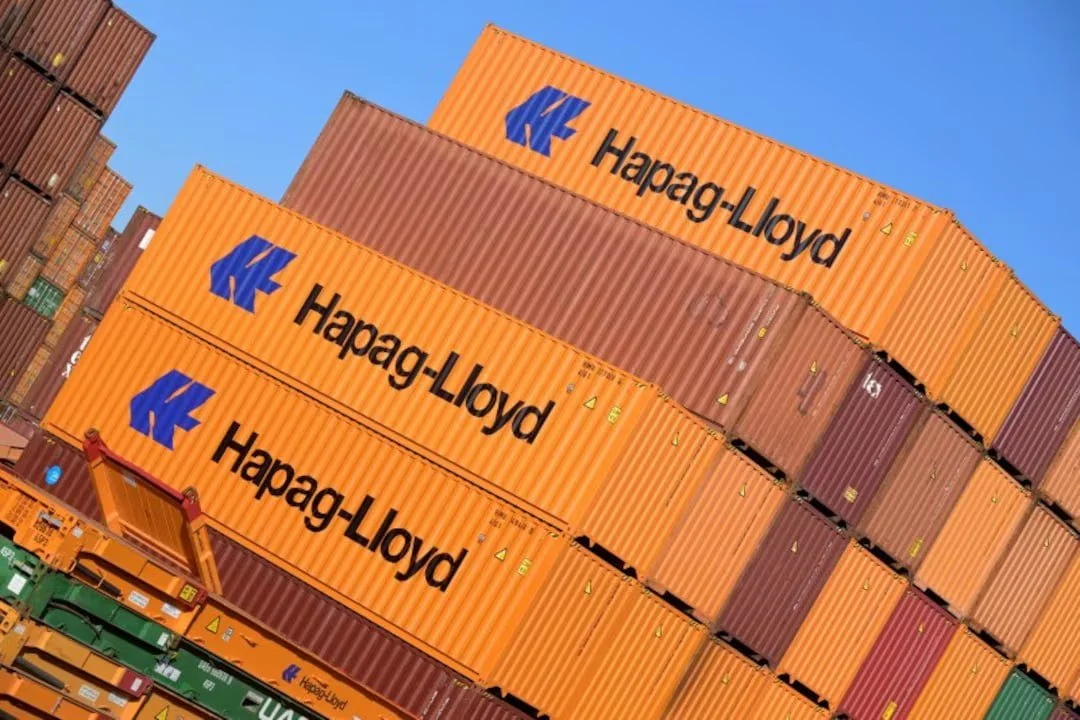
Two of the world's largest container shipping companies, Hapag-Lloyd of Germany and Compagnie maritime d'affrètement - Compagnie générale maritime (CMA CGM) of France, have suspended all bookings to and from Cuba in response to the May 1 US Executive Order tightening sanctions enforcement against the Cuban government. The suspension follows the Axios disclosure on May 17 that Cuba has acquired more than 300 Russian and Iranian drones and is internally discussing attacks on Guantanamo, US Navy vessels, and possibly Key West, Florida. Cuban Revolutionary Armed Forces conducted public combat preparation drills over the weekend, with War Noir documenting the use of rare T-54-57-2 self-propelled anti-aircraft systems.
ANALYSIS
Hapag-Lloyd and CMA CGM are the third and fourth largest container shipping operators globally. Their joint withdrawal from Cuban trade lanes effectively removes the principal Western commercial shipping capacity into Havana, Mariel, and Santiago de Cuba. The economic effect is immediate and substantial; Cuban imports of food, medicine, fuel, and consumer goods depend disproportionately on European-flagged container traffic since US trade is sanctioned and Asian carriers run lower-frequency Caribbean routes.
The May 1 Executive Order has not been publicly disclosed in full text at the level of detail that the shipping company responses imply. The carriers' counsel evidently assesses meaningful US secondary sanctions exposure for continued Cuba operations. The Order timing, immediately before the surge of US surveillance flights off Cuba and approximately two weeks before the Axios drone disclosure, suggests the Trump administration was sequencing economic isolation against Havana before the drone intelligence became public.
Cuban FAR military drills on May 17 featured the T-54-57-2 SPAAG. The platform is a Cold War-era Soviet system that Cuba retains in small numbers, and its public display during drills is operationally insignificant but politically meaningful. Havana is signaling readiness to defend the island rather than capability to project force, which is consistent with the Trump administration's framing of the Cuba problem as a containment and deterrence question rather than an immediate invasion scenario.
The Cuba sanctions tightening compounds the asymmetric drone threat from Cuban territory by increasing Cuban regime stress that could accelerate, rather than deter, a decision to use the drone capability. The 300-plus drone arsenal documented by Axios remains the operationally relevant threat. The economic isolation campaign is the parallel pressure mechanism.
SOURCES
