

Acting AG Indicts Raul Castro For 1996 Brothers To The Rescue Shootdown Of Americans
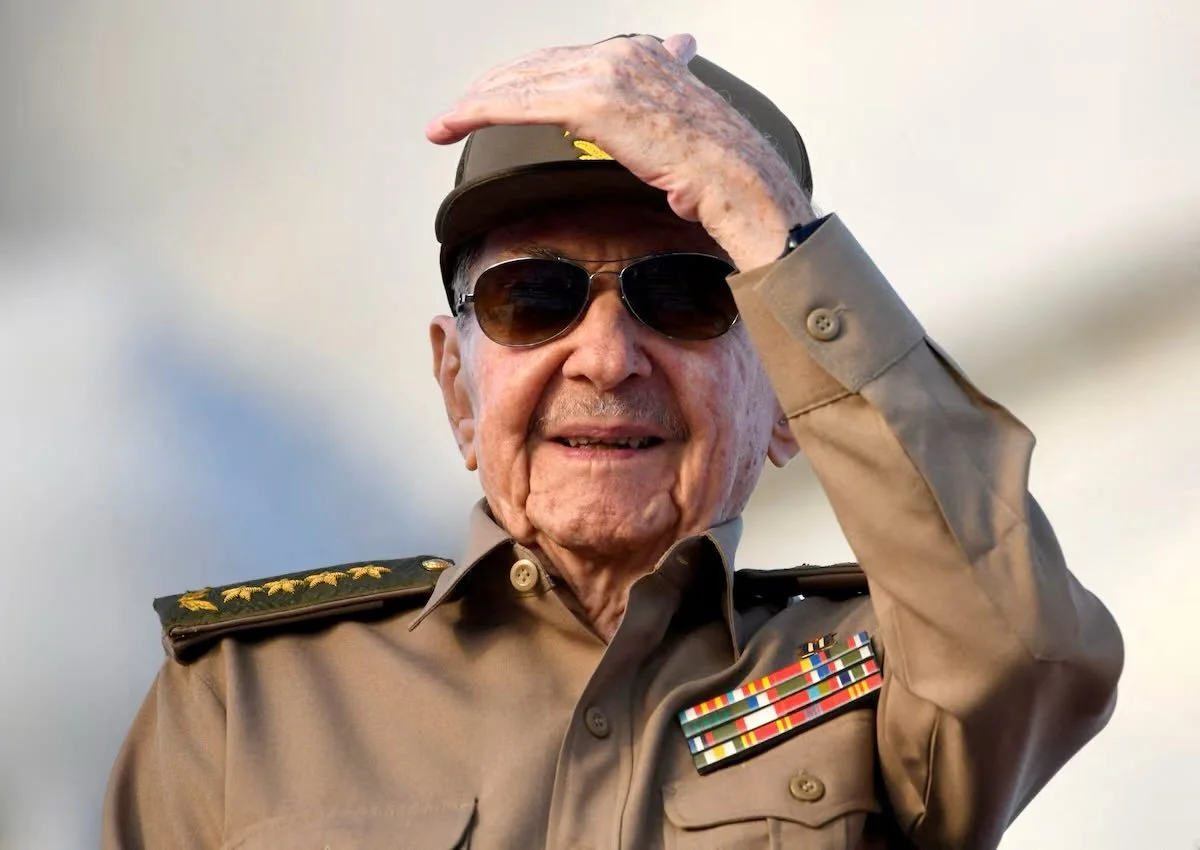
Raul Castro/Source: X | @sentdefender
EXECUTIVE SUMMARY
Acting US Attorney General Todd Blanche announced from Miami on May 20 a federal indictment of former Cuban President Raul Castro, 94, on charges including conspiracy to kill US nationals, destruction of an aircraft, and murder, tied to the February 1996 shootdown of two Brothers to the Rescue civilian aircraft that killed four people, three of them US citizens. Five additional Cuban defendants were indicted as alleged participants in the shootdown, including the named airmen Lorenzo Alberto Perez-Perez, Emilio Jose Palacio Blanco, Jose Fidel Gual Barzaga, Raul Simanca Cardenas, and Luis Raul Gonzalez-Pardo Rodriguez. The indictment, three decades in development, lands in the same week as Hapag-Lloyd and CMA CGM's suspension of Cuban bookings and the Axios disclosure that Cuba has acquired more than 300 Russian and Iranian drones.
ANALYSIS
The Brothers to the Rescue case has been a Justice Department prosecutorial workstream since the 1996 incident in which Cuban MiG-29 and MiG-23 fighters shot down two unarmed Cessna 337 aircraft operated by the Cuban-American humanitarian group over international waters near Cuba. Three of the four killed were US citizens. Federal investigators have maintained a continuous evidentiary file since then; the May 20 unsealing reflects an administration decision to move from sealed indictment to public prosecution rather than a new investigative development.
Castro's age (94) and his retired status make a conventional extradition and trial practically improbable. The political and diplomatic function of the indictment is the operational variable. Conviction in absentia is not available under US federal practice. The indictment functions instead as a legal predicate for additional Cuba-directed enforcement action and as a domestic political signal to the Cuban-American constituency in Florida and elsewhere that the Trump administration is positioning to escalate against the Castro regime infrastructure broadly.
The five additional named defendants, the airmen and crew personnel allegedly involved in the shootdown, are also unlikely to face extradition but become targets for any potential US lethal action under the broader cartel and FTO designation architecture if any of them are determined to be aligned with the Cuban regime's current drone or covert action capabilities. None of the five has been publicly tied to the 300-plus drone arsenal Axios disclosed on May 17.
Cuban response has been swift. The Cuban Foreign Ministry on May 20 characterized the indictment as a politically motivated prelude to military action against the island. The CIA Director Ratcliffe's late-week May travel to Havana, paired with the May 1 Executive Order, the carrier withdrawals, and now the Castro indictment, presents a coherent escalation architecture that Havana is interpreting as designed to produce regime change.
SOURCES
