

Incendiary railway sabotage near Pesaro claimed as anti Olympics action as Italy investigates wider rail disruption
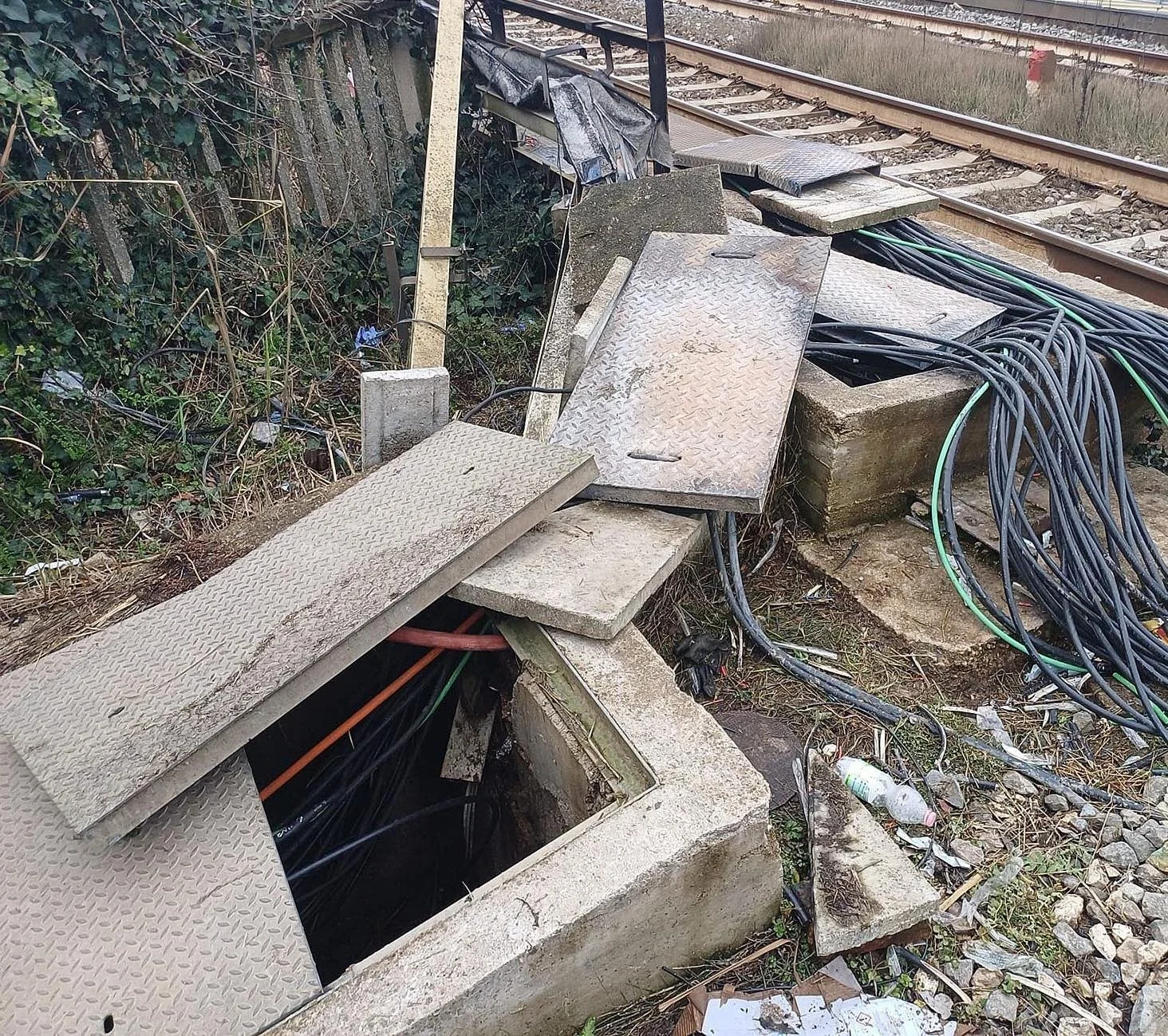
Source: Darknights
Executive Summary
An anarchist aligned outlet published a claim of responsibility for an incendiary sabotage attack on rail infrastructure near Pesaro station on February 7, 2026, framing the action as opposition to the Milan Cortina 2026 Winter Olympics and to corporate partners tied to defense, energy, and state rail. Separately, Italian authorities described multiple incidents of rail damage and disruption as serious sabotage as the Games began, with investigators examining fires, severed cables, and a rudimentary explosive device.
Analysis
The Pesaro claim positions rail sabotage as a symbolic and economic pressure tactic aimed at the Olympics as a global spectacle and at companies portrayed as profiting from war and environmental harm. If the incidents are connected, the operational pattern suggests an intent to create outsized disruption with limited resources by targeting critical rail nodes and electrical infrastructure that can trigger cascading delays and public anxiety during a high visibility international event.
A published communique titled “Breaking the Ice” claims responsibility for sabotaging the railway line near Pesaro station at dawn on February 7 and explicitly links the action to opposition to the Milan Cortina 2026 Winter Olympics.
The communique names Olympic partners Leonardo, Eni, and Gruppo FS, alleging they collaborate in war and environmental destruction, and calls for solidarity with workers, liberation movements, and imprisoned rebels.
BBC coverage describes three suspected sabotage incidents in northern Italy that caused major travel disruption, including a fire on rail infrastructure, severed cables, and discovery of a rudimentary explosive device, with the transport ministry calling the events serious sabotage.
BBC reporting also notes police found a track switch set alight near Pesaro and that investigators initially said no one had claimed responsibility, indicating the communique emerged through non state media channels rather than official reporting.
The claim’s framing fits a familiar anti mega event narrative that targets the Olympics as a concentration point for security expansion, public spending, and corporate branding. Even if authorities ultimately assess the incidents as unconnected, the timing around the Games and the choice of rail targets align with a disruption first logic: maximize economic and reputational impact by striking infrastructure that is difficult to fully harden across large geographic areas.
