

INVADE Issue 1 ISIS Magazine Key Takeaways
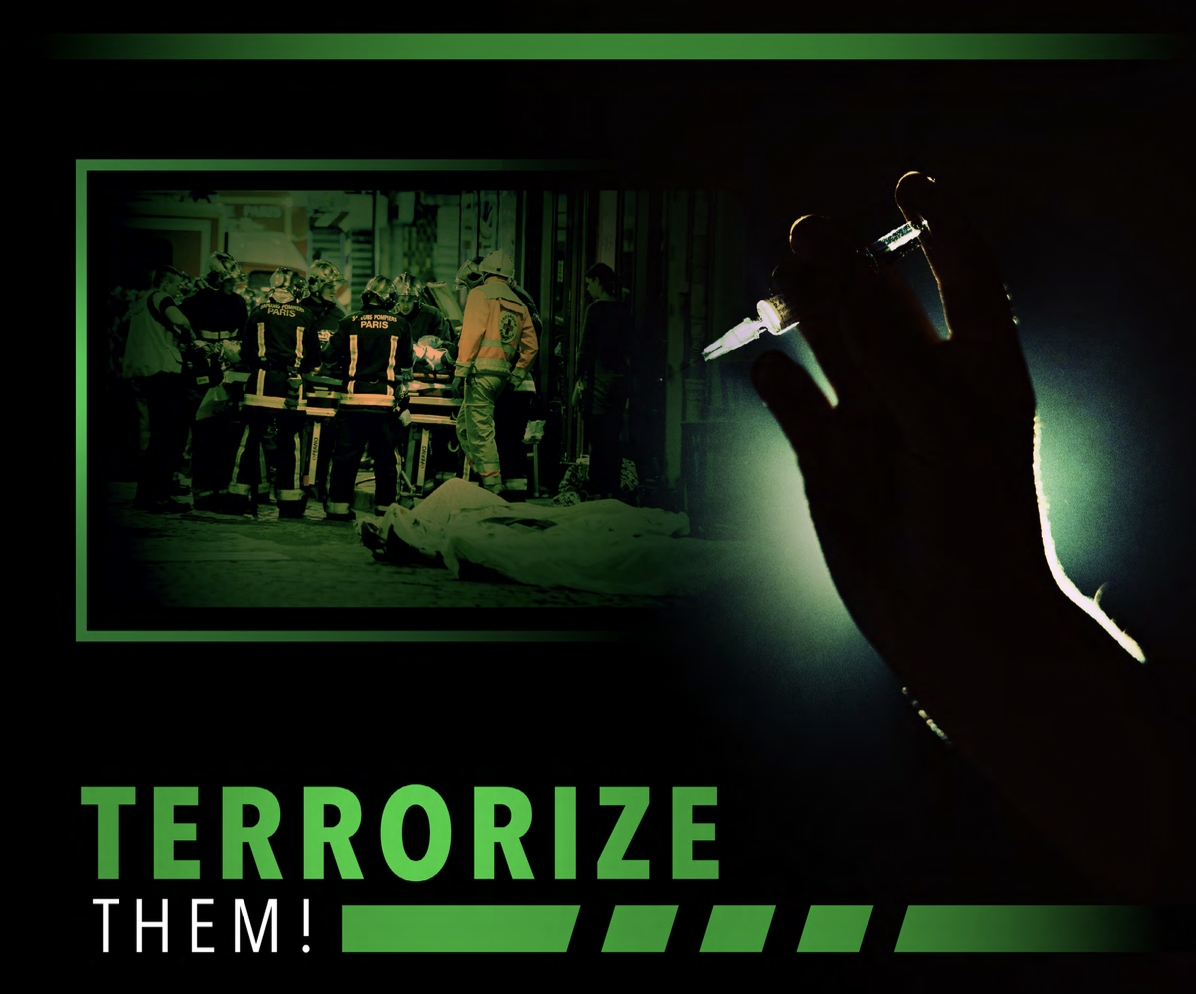
Source: INVADE Issue 1
Executive Summary
ISIS has released a new English language magazine titled INVADE that blends ideological messaging with operational incitement aimed at inspiring lone actor violence outside its core conflict zones. The publication encourages supporters to either travel to join ISIS or conduct attacks where they live, and it elevates covert, hard to detect methods while attacking rivals like the Taliban to position ISIS as the only legitimate jihadist option. The most concerning element is a section that promotes poisoning as a tactic and includes detailed, practical guidance intended to help lone actors evade law enforcement and execute mass casualty attacks.
Analysis
INVADE Issue 1 is designed to mobilize individuals who are not able or willing to travel by pushing them toward low visibility attacks and by providing a narrative that frames violence as a personal duty. The magazine repeatedly emphasizes lone actor action, secrecy, and improvisation, and it attempts to lower the perceived barrier to operational capability by arguing that basic planning and resolve are enough to inflict harm.
The foreword explicitly calls on Muslims to migrate to ISIS or fight wherever they are, framing participation as an obligation and portraying ISIS media output as a tool to spark violence in the West.
A dedicated section in the “Terrorize Them” series advocates covert attack methods and highlights tactics meant to confuse investigators and reduce suspicion toward attackers.
The publication promotes poisoning as an alternative to explosives or knives, presenting it as easier to conceal and harder for authorities to detect, and it includes step by step practical guidance.
It encourages target selection around crowds and public events and includes advice on blending in, repeated site visits, and exploiting perceived security gaps.
The magazine also functions as movement positioning. It attacks Western social values with familiar grievance framing and uses religious and gender rhetoric to shame and pressure audiences into action. Separately, it attacks the Taliban as corrupt and apostate, using sexual misconduct allegations and claims of collaboration with foreign powers to undermine Taliban legitimacy and to recruit disaffected militants toward ISIS. The issue includes a martyr style profile of an ISIS linked fighter in Pakistan and an operations roundup claiming activity across multiple theaters, which appears intended to signal momentum and global reach.
A feature section frames the Taliban as morally corrupt and politically compromised, presenting ISIS as the only authentic alternative.
A biographical profile celebrates an ISIS linked figure in Pakistan and depicts his path from earlier militancy into ISIS allegiance, reinforcing a recruitment narrative for local audiences.
The operations section claims attacks in multiple regions including parts of Africa and Asia, and it highlights strikes against security forces and state infrastructure to project capability and endurance.
The issue includes rhetoric directed at foreign actors in Afghanistan and the Sahel, using threats and claimed casualties to amplify intimidation and propaganda value.
From a threat perspective, the poisoning content is the highest risk because it is tailored to lone actors, emphasizes plausible deniability, and aims for settings where victims may not immediately recognize an attack. Even if most readers cannot execute what is described, the magazine is structured to normalize the idea of covert harm and to push sympathizers toward experimenting with readily available means. The anti Taliban messaging also suggests ISIS is continuing to prioritize intra jihadist competition and recruitment in South and Central Asia while still attempting to inspire external attacks.
Sources
INVADE Issue 1
