

Novelis targets late June repair for fire hit Oswego aluminum plant, extending supply and cost pressure on Ford
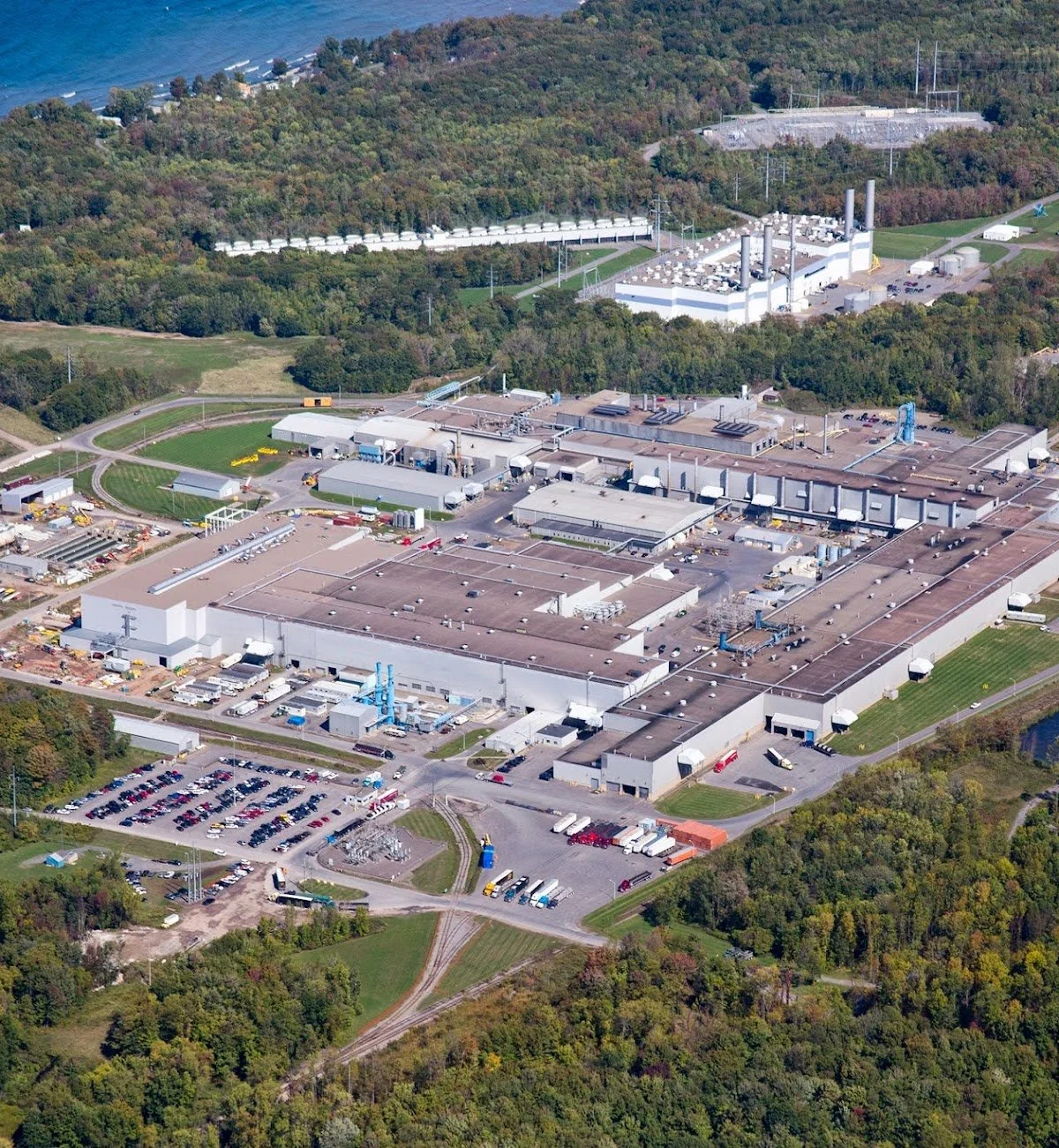
Source: Google Photos
Executive Summary
Novelis expects repairs at its fire damaged Oswego, New York aluminum plant to wrap up by the end of June 2026, with production ramping back over subsequent months. The outage has become a major supply bottleneck for Ford and other automakers that rely on automotive sheet, with Ford disclosing a $2 billion impact so far and warning additional costs tied to sourcing replacement aluminum. Separate financial reporting describes a sharply larger cash flow hit for Novelis from the two fire events, partially offset over time by insurance.
Analysis
The Oswego disruption is a concrete supply chain shock with clear second order effects: constrained automotive sheet supply, higher procurement costs, and production planning risk for high volume aluminum body platforms. The extended timeline, plus uncertainty around root cause, increases exposure for both Novelis and its customers through at least mid 2026.
Repairs at Oswego are expected to conclude by end of June, after two fires in the hot mill area caused structural damage, then extensive damage to rolling line equipment, motors, pipes, and electrical systems.
Ford has tied significant financial impact to the outage, disclosing a $2 billion hit and projecting additional spending to secure substitute aluminum while the plant restarts and ramps.
Novelis has cited at least $255 million in repair costs from a preliminary estimate tied to a local tax exemption filing, and the company says the causes of the fires remain under investigation.
Financial coverage indicates the disruption is driving a larger free cash flow impact for Novelis than initially expected, with partial recovery anticipated through insurance but timing lag expected.
The restart date does not end the problem immediately because the plant must ramp back to normal output over months, leaving a window where supply remains tight and costs elevated. This is particularly acute for Ford’s aluminum intensive platforms, where alternative sourcing can carry tariff and logistics penalties and increase the risk of schedule disruption.
