

Threat from the Far Right: An Attack on One of Us Is an Attack on All of Us
Executive Summary
Far right Telegram networks are exploiting a reported death in Lyon to push a group identity and retaliation narrative framed in racial terms. They are pairing mainstream reporting with explicit white nationalist slogans and recruitment prompts, using the uncertainty of an ongoing investigation to spread blame claims and intensify calls for mobilization. This messaging increases the risk of further offline confrontation by encouraging supporters to view a single incident as proof of an organized campaign against their in group.
Analysis
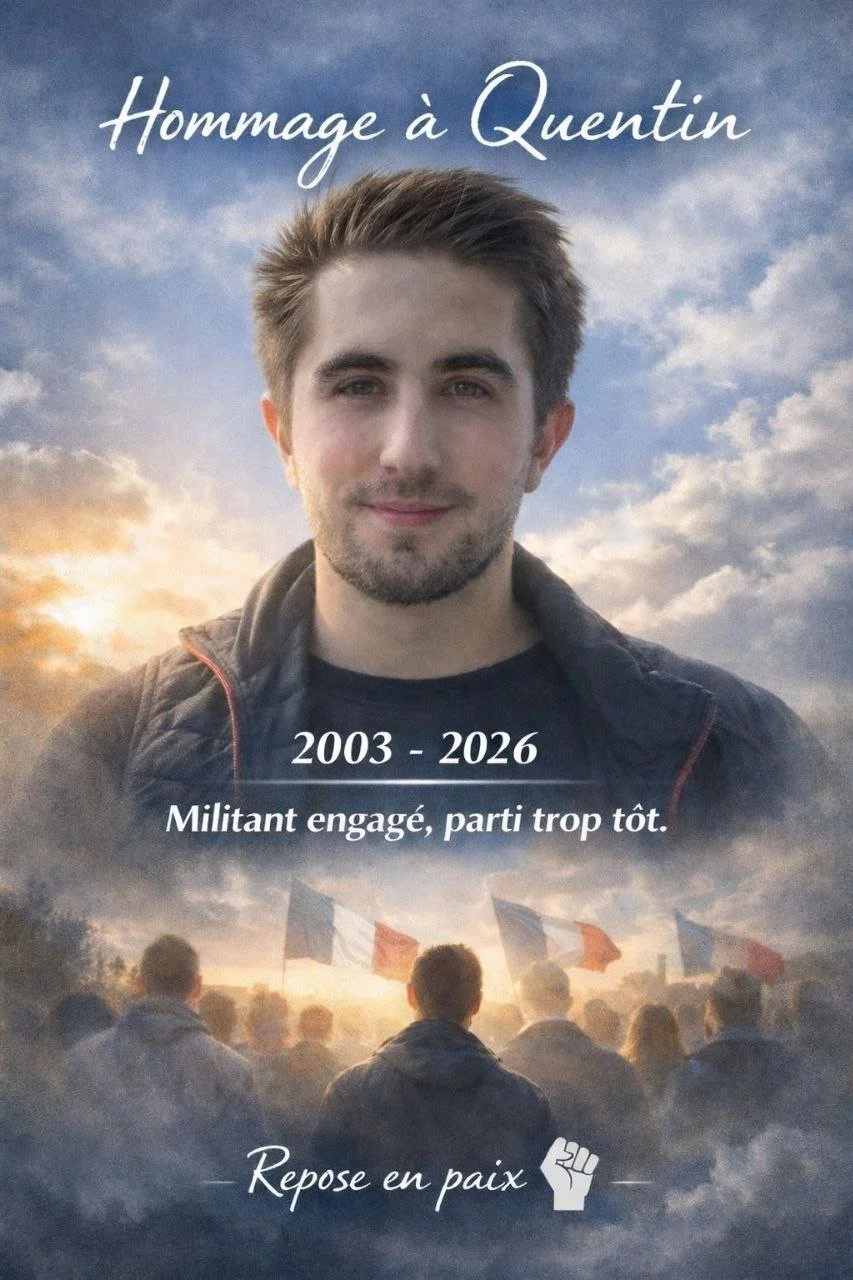
Far right actors are using reporting about the death of a young Catholic activist after clashes in Lyon to construct a collective grievance narrative that redirects mourning into identity based mobilization. The most prominent amplification involves framing the victim as a “martyr” for a racial cause and using the phrase “an attack on one of us is an attack on all of us” to normalize escalation and collective responsibility. This effort also attempts to bridge mainstream and extremist audiences by anchoring on a recognizable news story and then channeling attention toward Telegram recruitment and radicalization spaces.
White nationalist Telegram messaging linked to the Lyon incident includes explicit racial unity framing and directs viewers to “get involved,” indicating recruitment intent.
Posts use slogans such as “fight back” and describe the victim as a “martyr,” language that can lower thresholds for retaliatory violence and increase the likelihood of street mobilization.
Extremist posts assert responsibility by “far left” or specific groups while the cited reporting states prosecutors opened an investigation and had not publicly identified suspects at the time of publication.
The content uses religious imagery and references to rites and vigils to intensify emotional engagement, then pivots to racial identity themes to broaden appeal beyond a narrow local event.
The underlying dynamic is a classic exploitation pattern: a real world death is treated as symbolic proof of an existential threat, then used to justify cohesion, recruitment, and escalation. The investigative uncertainty is a force multiplier because it allows claims of blame to circulate without verification, which can harden perceptions and increase the chance of copycat harassment or retaliatory street violence.
