

IRGC Fires on and Seizes Commercial Vessels in Strait of Hormuz Hours After Trump Extends Ceasefire Indefinitely
EXECUTIVE SUMMARY
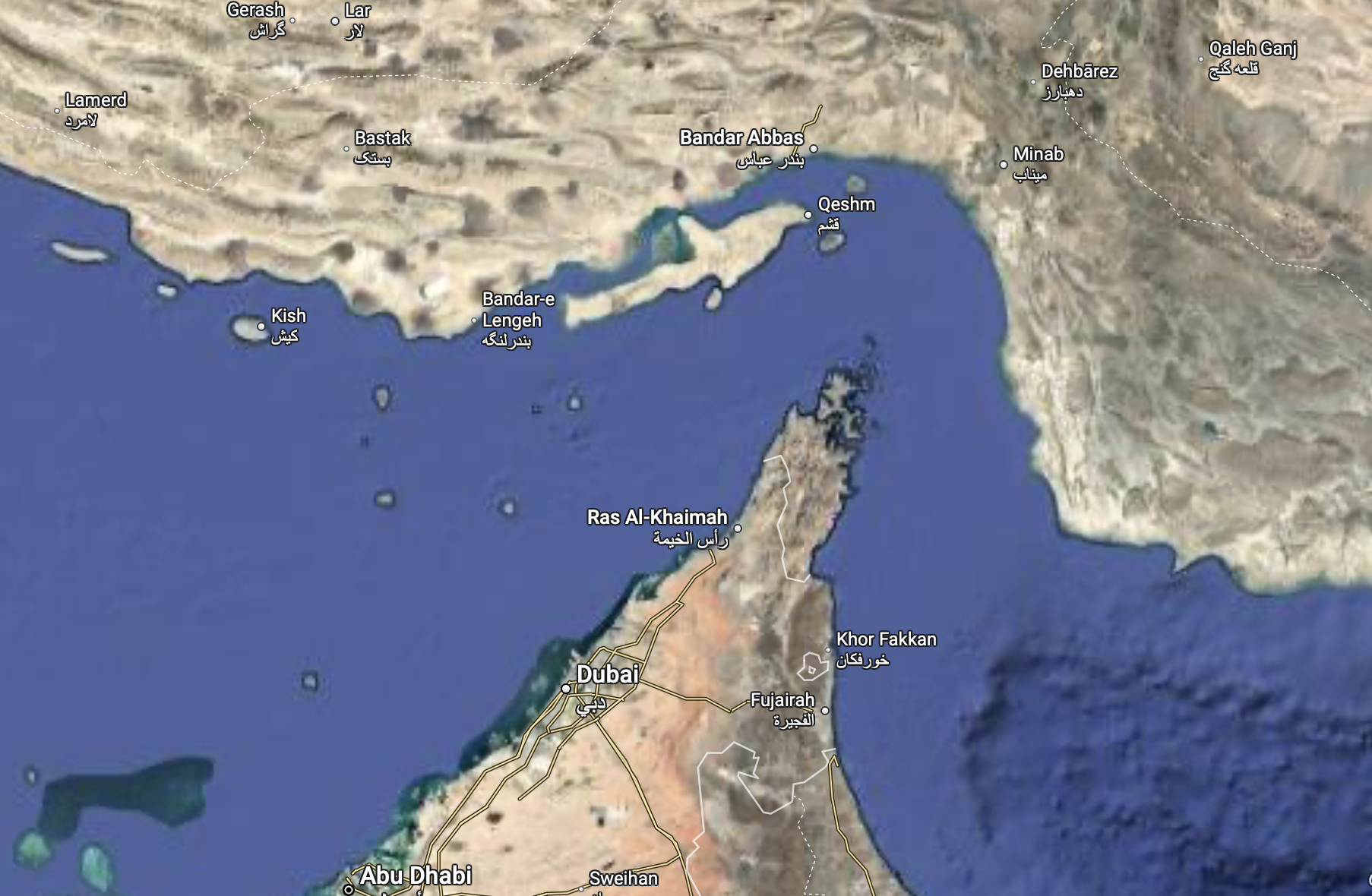
Iran's Islamic Revolutionary Guard Corps Navy fired on and seized two commercial vessels in the Strait of Hormuz on April 22, 2026, hours after President Trump announced an indefinite extension of the US-Iran ceasefire. A third ship sustained damage from gunfire and rocket-propelled grenades. The IRGC escorted the two seized vessels toward Iran's coast. The attacks occurred despite Trump's stated expectation that Tehran would submit a unified diplomatic proposal before any military action resumed.
ANALYSIS
Three commercial vessels were targeted by IRGC gunboats on April 22. The Greek-owned, Liberian-flagged container ship Epaminondas was approached without warning and struck by gunfire and RPG rounds, sustaining significant damage to its bridge. The Panama-flagged MSC Francesca and a second Panama-flagged vessel, Euphoria, were seized and escorted to the Iranian coast. The IRGC claimed the vessels lacked required authorization and had tampered with navigation systems, framing the seizures as enforcement actions rather than hostile acts.
The timing is strategically significant. Trump announced the ceasefire extension hours earlier, describing the Iranian government as 'seriously fractured' and giving Tehran three to five days to unify around a proposal before strikes could resume. US officials confirmed the naval blockade would remain in force throughout the extended ceasefire period. The IRGC actions directly contradict any Iranian signaling of diplomatic readiness, and suggest either that the IRGC is operating independently of Iran's negotiating faction, or that Iran is deliberately testing the limits of the ceasefire framework before committing to terms.
The attacks represent a new escalation pattern: the earlier TOUSKA seizure on April 19 targeted an Iranian-sanctioned vessel under the US blockade; these April 22 seizures target third-party commercial shipping flying Liberian and Panamanian flags. IRGC assertion of transit fee and authorization requirements over non-Iranian commercial vessels constitutes a de facto parallel enforcement regime in a waterway the US Navy is simultaneously blockading. Maritime insurers and flag-state registries face immediate liability exposure. The US government has not yet issued a formal response to the April 22 seizures as of collection time.
The economic pressure compounds rapidly. Gulf states are currently shut in at 9.1 million barrels per day due to storage overflow under the blockade. Each day of continued Hormuz disruption deepens storage constraints and increases the cost of any eventual restart of Gulf export flows. US national average gasoline prices remain above four dollars per gallon with additional upward pressure expected as the crisis extends.
SOURCES
