

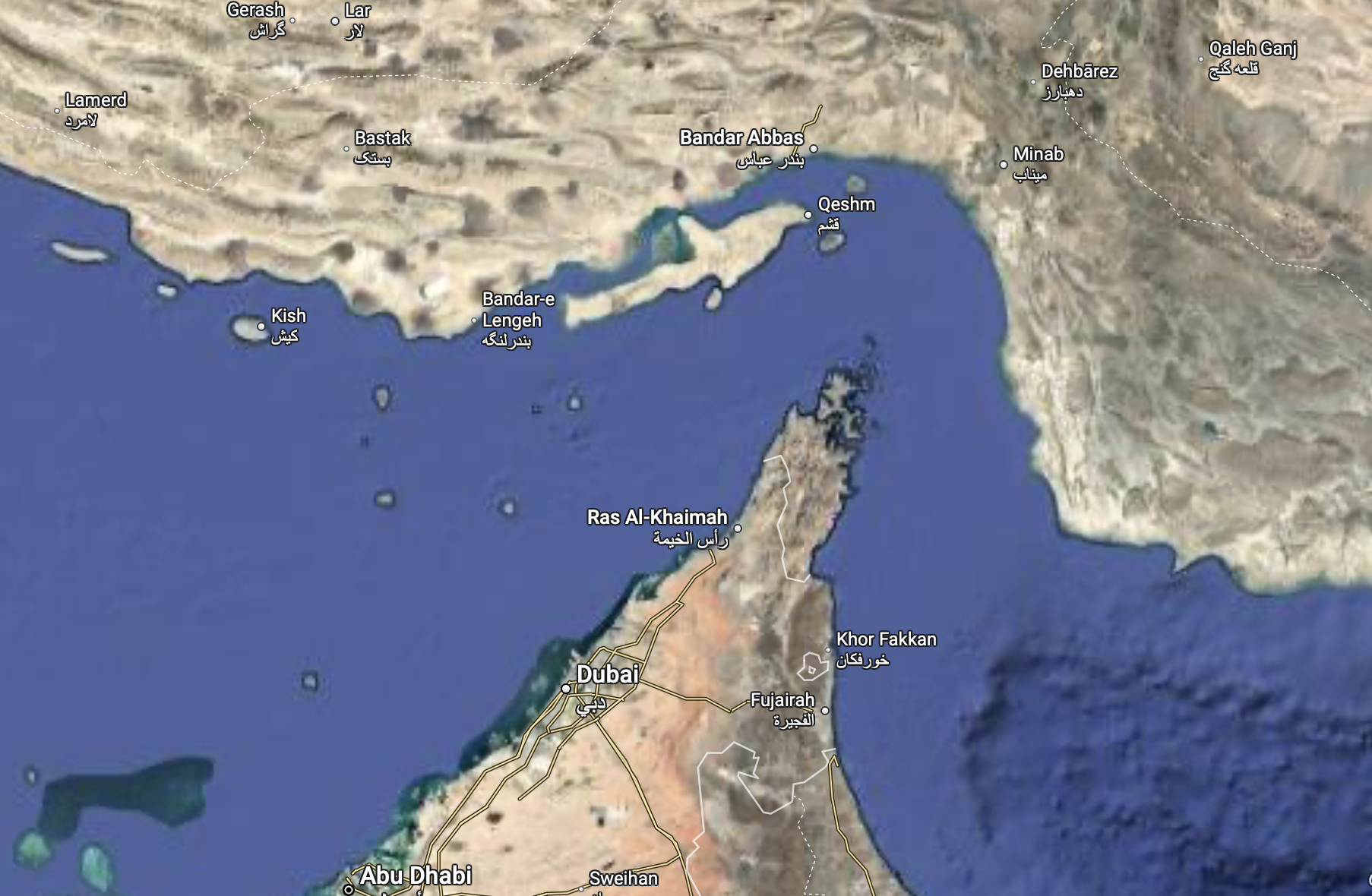
IRGC Fires on and Seizes Commercial Vessels in Strait of Hormuz Hours After Trump Extends Ceasefire Indefinitely
IRGC gunboats seized two commercial ships and damaged a third in Hormuz on April 22, hours after Trump extended the ceasefire indefinitely, signaling IRGC willingness to escalate maritime operations independent of Iran's stated diplomatic posture.
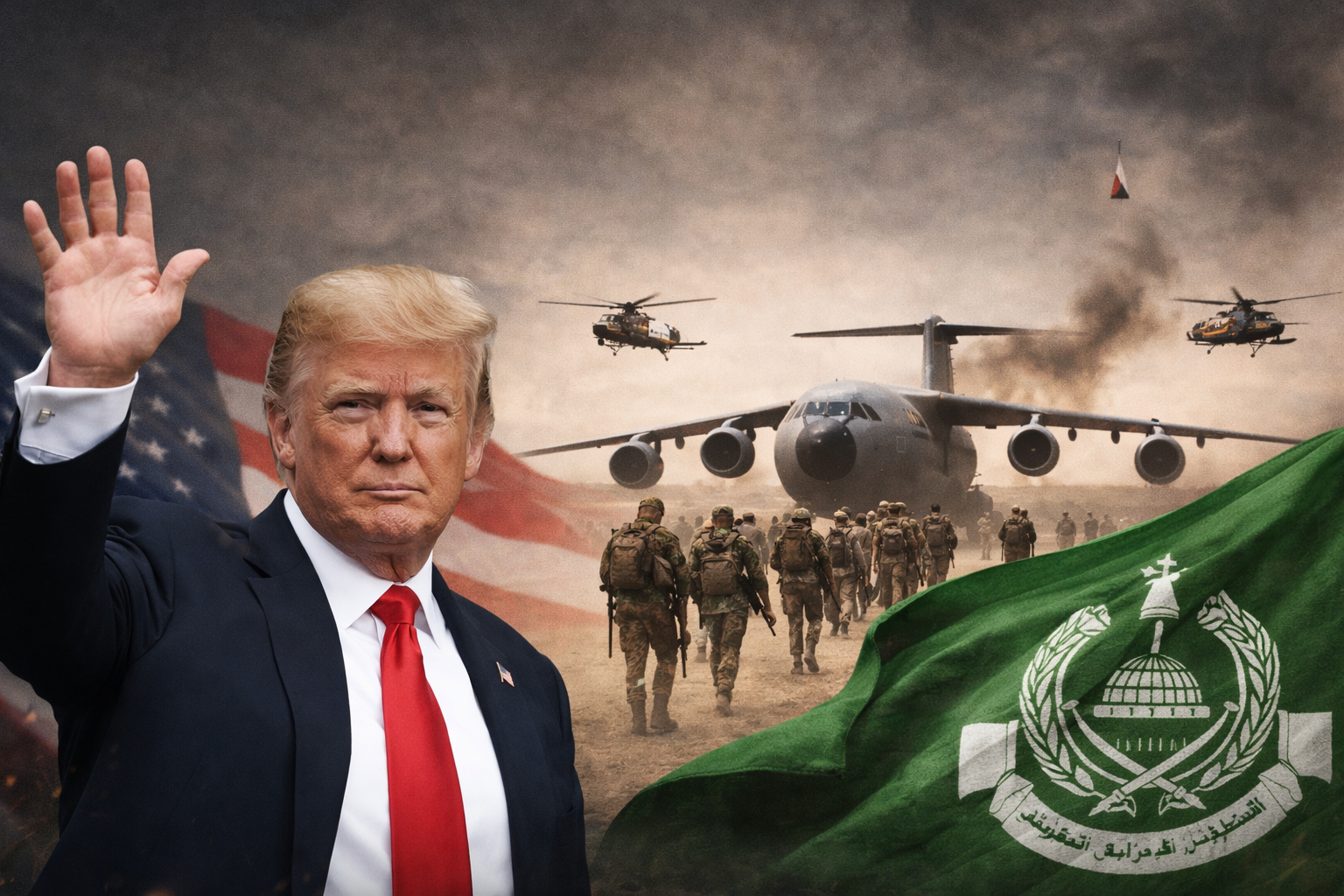
Iran Opens Strait of Hormuz Corridor; Trump Claims Tehran Agreed to Indefinitely Suspend Nuclear Program
Iran opened a narrow Hormuz corridor for the ceasefire period while Trump claimed Iran agreed to indefinitely suspend uranium enrichment and hand over enriched material. The US blockade continues. Oil fell 10 percent. Iran has not confirmed nuclear terms publicly. The April 21 ceasefire expiry is the next decision point.
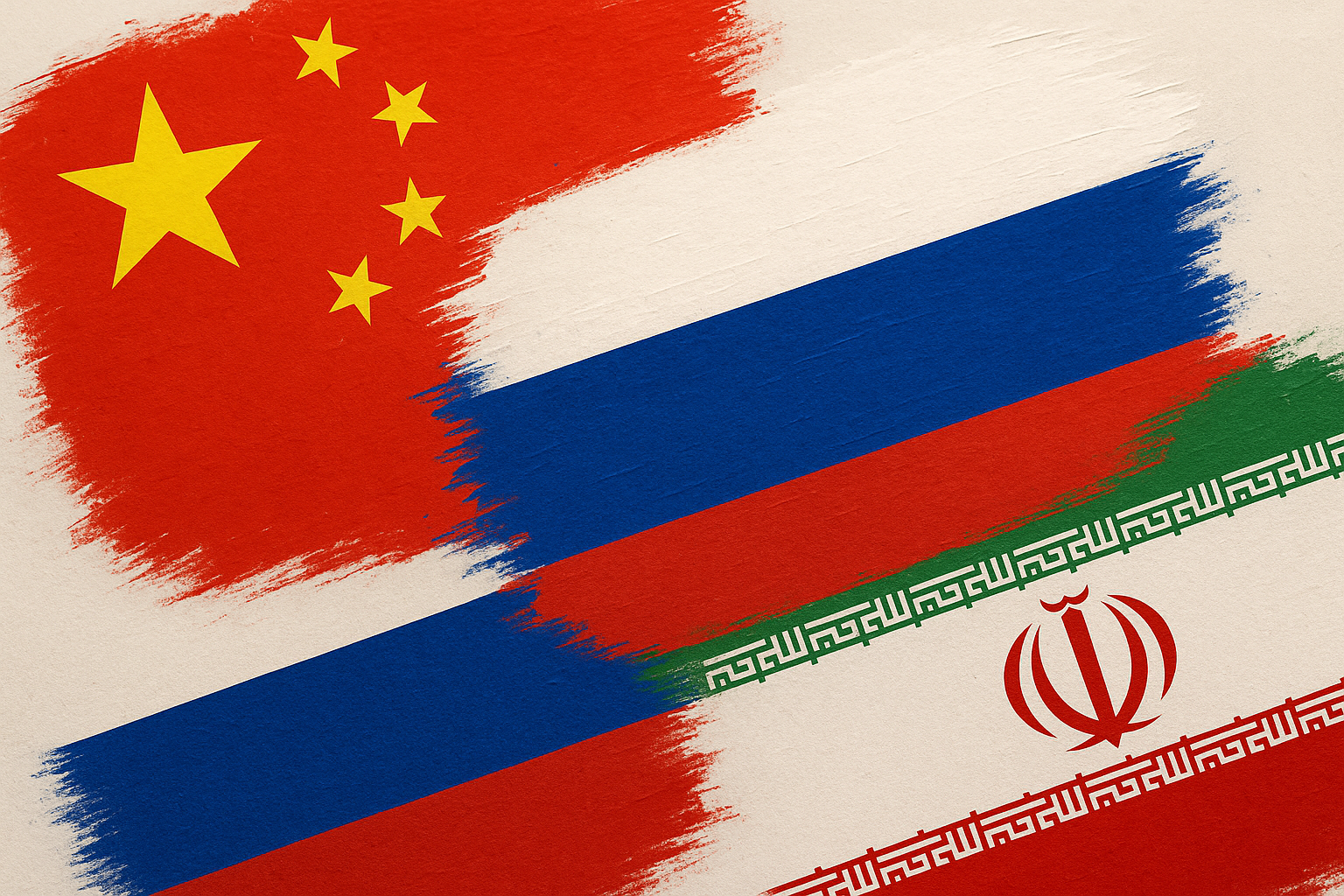
US Naval Blockade of Iran Takes Effect After Islamabad Talks Collapse
The US naval blockade of Iranian ports, announced after the collapse of 21-hour direct talks in Islamabad, marks the most significant escalation of the conflict's diplomatic dimension. Iranian defiance and Chinese non-compliance with the blockade raise the prospect of both a military confrontation at sea and a test of great-power solidarity.
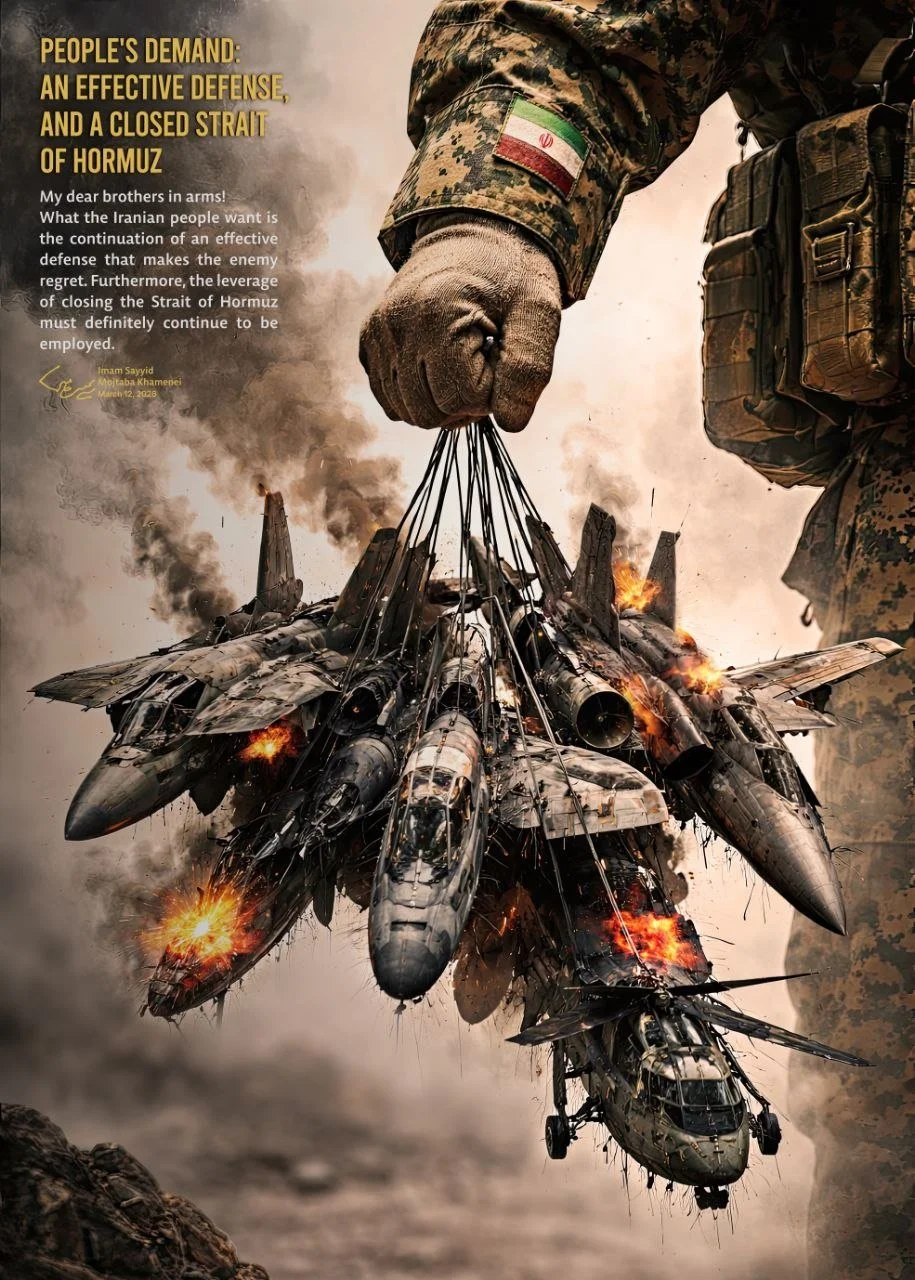
Iran Institutionalizes Hormuz Transit Tollbooth: IRGC Charges Yuan and Crypto Fees, Issues Secret Pass Codes, and Escorts Vetted Vessels Through Strait
Iran has formalized a yuan-denominated IRGC transit fee system for Hormuz shipping, with Iran-friendly nations paying roughly one dollar per barrel for vetted passage while vessels from US-aligned nations remain subject to interdiction, creating a parallel maritime order through the world's most critical oil chokepoint.

Trump Orders 172M Barrel SPR Release; IEA Coordinates Largest Emergency Oil Reserve Action in History as Crude Tops $100/Barrel
Trump ordered a 172 million barrel SPR release as part of a 32-nation IEA action totaling 400 million barrels — the largest in history — after crude exceeded $100/barrel due to Hormuz interdiction. Initial market reaction showed no price reduction, and the SPR’s depleted capacity represents a compounding strategic vulnerability if the conflict is sustained.
Iran War Update: Hormuz “Soft Closure,” LNG Force Majeure, and Rising Cyber and Nuclear-Site Risk
The war’s newest pressure points are systemic: insurers are effectively slowing Hormuz traffic by cancelling war-risk cover, Qatar’s LNG disruption is being treated as a weeks-long supply shock, cyber risk to the financial sector is rising, and the nuclear picture has shifted to confirmed Natanz-entrance damage while broader IAEA monitoring still shows no radiological crisis.