

Iran Institutionalizes Hormuz Transit Tollbooth: IRGC Charges Yuan and Crypto Fees, Issues Secret Pass Codes, and Escorts Vetted Vessels Through Strait
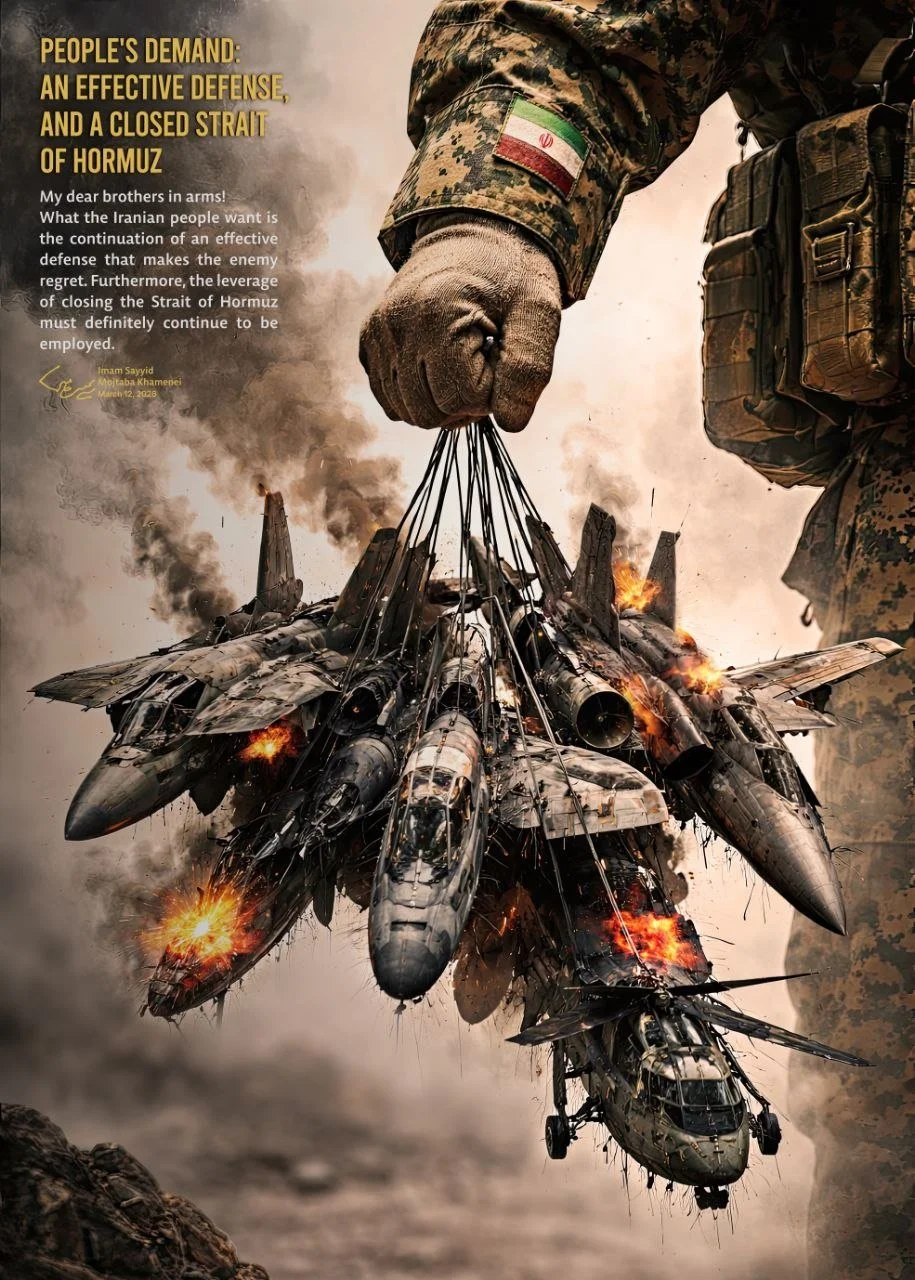
Source: Telegram
EXECUTIVE SUMMARY
Iran's Islamic Revolutionary Guard Corps (IRGC) has operationalized a formal transit fee system for commercial vessels passing through the Strait of Hormuz, charging approximately one US dollar per barrel of oil in Chinese yuan or cryptocurrency stablecoins after a security screening to verify no links to the United States or Israel. Ships from nations Iran designates as friendly, including China, India, Malaysia, Egypt, and South Korea, have been allowed transit after payment. The system is governed by a five-tier flag-state classification and includes an IRGC escort protocol. Iran's National Security Committee has separately approved draft legislation to formalize the fees in law. The arrangement creates an Iran-controlled parallel shipping order through what is nominally an international waterway.
ANALYSIS
The Hormuz tollbooth represents a significant evolution beyond the binary closure Iran had threatened since the conflict's opening weeks. Rather than a blanket blockade, which would require Iran to intercept every vessel and risk broad military confrontation, the IRGC has constructed a selective access regime that generates revenue, builds relationships with friendly-nation shipping operators, and maintains plausible framing that the strait is not fully closed. The yuan-and-crypto payment mechanism is specifically designed to circumvent US dollar-denominated sanctions enforcement and reduce the transaction trail available to US Treasury analysts.
The operational mechanics documented by Bloomberg require ship operators to contact an IRGC-linked intermediary, provide ownership details, crew lists, and AIS data, receive a permit code after payment, and then broadcast the code over VHF radio as the vessel approaches the strait for IRGC patrol boat escort. The AIS data requirement means Iran is building a continuously updated registry of global commercial shipping operators, their ownership chains, and their transit patterns, information with significant intelligence value beyond the immediate revenue function. Vessels flying flags of nations that have not negotiated passage agreements are subject to attack.
The five-tier classification system formalizes what had previously been ad hoc preferential treatment and introduces a geopolitical sorting mechanism into Hormuz transit. China, India, and South Korea are major US trading partners and, in South Korea and India's case, security partners, but their commercial fleets are transiting under IRGC sanction. This creates friction in US diplomatic relationships with these countries and forces them to navigate between maintaining economic access to Gulf oil and solidarity with US Hormuz reopening demands.
The Iranian parliament's formal approval of a transit fee bill transforms what began as an improvised IRGC revenue operation into a declared state policy, making it harder to walk back as part of a ceasefire agreement without domestic political cost. This institutionalization dynamic likely represents a deliberate Iranian negotiating posture: by enacting the fee in law before a deal is reached, Tehran raises the domestic cost of abandoning it, which in turn raises the price it can demand in exchange for Hormuz normalization.
SOURCES
Bloomberg: Iran War: Tehran Charges Some Ships Hormuz Transit Fees for Safe Passage
Bloomberg: Secret Codes and Yuan Fees Get Ships Through Iran's Hormuz Tollbooth
Daily News Egypt: Iran's Revolutionary Guard imposes yuan-based tolls for Strait of Hormuz transit
Seoul Economic Daily: Iran Parliament Approves Hormuz Strait Transit Fee Bill
Al Jazeera: Tehran's toll booth: How Iran picks who to let through Strait of Hormuz
