

US Naval Blockade of Iran Takes Effect After Islamabad Talks Collapse
EXECUTIVE SUMMARY
The United States imposed a naval blockade of Iranian ports on 13 April 2026 after 21 hours of direct negotiations in Islamabad between Vice President JD Vance and Iranian delegates failed to produce an agreement. The blockade, announced by President Trump via Truth Social, targets vessels transiting to or from Iranian ports and coastal areas but does not formally impede general Hormuz passage. Iran has warned that any military vessels approaching the strait will face a firm response, and at least one China-flagged sanctioned tanker has already transited the strait in apparent defiance of the measure.
ANALYSIS
The Islamabad talks, described by Pakistani and US officials as the first direct US-Iran engagement at this level since the 2015 nuclear framework negotiations, collapsed on two fundamental issues: Iran's refusal to commit to forgoing a nuclear weapon or the rapid-assembly tools needed to achieve one, and a deadlock over sovereignty and control of the Strait of Hormuz. Iran's position, conveyed through Tasnim News Agency during the talks, was that it had made military and geopolitical gains it would not surrender through negotiation. Vance described the US offer as a final and best offer before departing Nur Khan airbase.
Trump's declared blockade targets Iranian-bound and Iranian-originating shipping. CENTCOM has clarified the measure is not a full closure of the Hormuz strait but rather a port-directed enforcement action. The US currently has the USS Abraham Lincoln carrier strike group, eleven Arleigh Burke-class guided missile destroyers including the USS Frank E. Peterson (DDG-121) and USS Michael Murphy (DDG-112), and the USS Tripoli amphibious group in the region. Those destroyers are additionally engaged in mine-clearance operations inside the strait. The IRGC Navy has denied any American vessels successfully transited the strait, calling such claims categorically false.
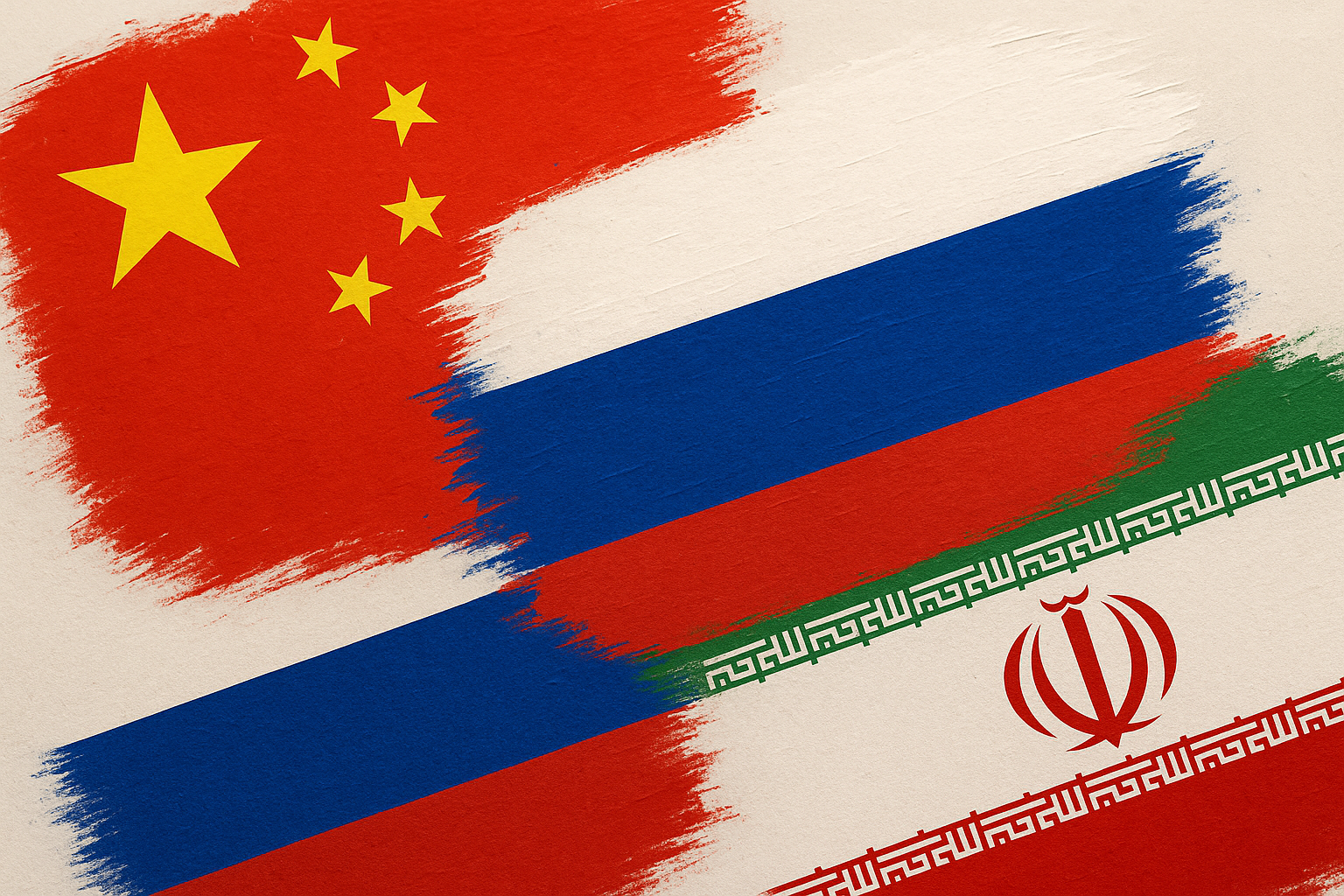
A sanctioned Chinese tanker, the Rich Starry, reportedly transited the Hormuz despite the blockade as of 14 April, carrying approximately 250,000 barrels of methanol with a Chinese crew, its last port of call Hamriyah in the UAE. A second sanctioned vessel, the Murlikishan, was scheduled to load Iraqi oil within days. These transits signal that China is not recognizing the US blockade as legally binding, setting up a direct challenge to US enforcement authority in the strait. Trump has warned that Iranian ships approaching US blockade vessels will be eliminated.
The IDF chief of staff ordered Israeli forces on high alert and to prepare for a possible renewed conflict with Iran. Iran's Supreme National Security Council, in a statement after Vance's departure, said its hands remain on the trigger and it will respond with full force to any mistake by the enemy. An Iranian official stated Tehran has no plans to return to negotiations in the near term. The next 48 to 72 hours are critical as both sides reassess posture.
SOURCES
Washington Post: Trump announces naval blockade after talks fail
Al Jazeera: Trump says Iranian ships will be eliminated as blockade begins
Geopolitics Watch (Telegram), April 13
The Palestinian Observer (Telegram), April 12
Rerum Novarum (Telegram), April 7
