

Iran Opens Strait of Hormuz Corridor; Trump Claims Tehran Agreed to Indefinitely Suspend Nuclear Program
EXECUTIVE SUMMARY
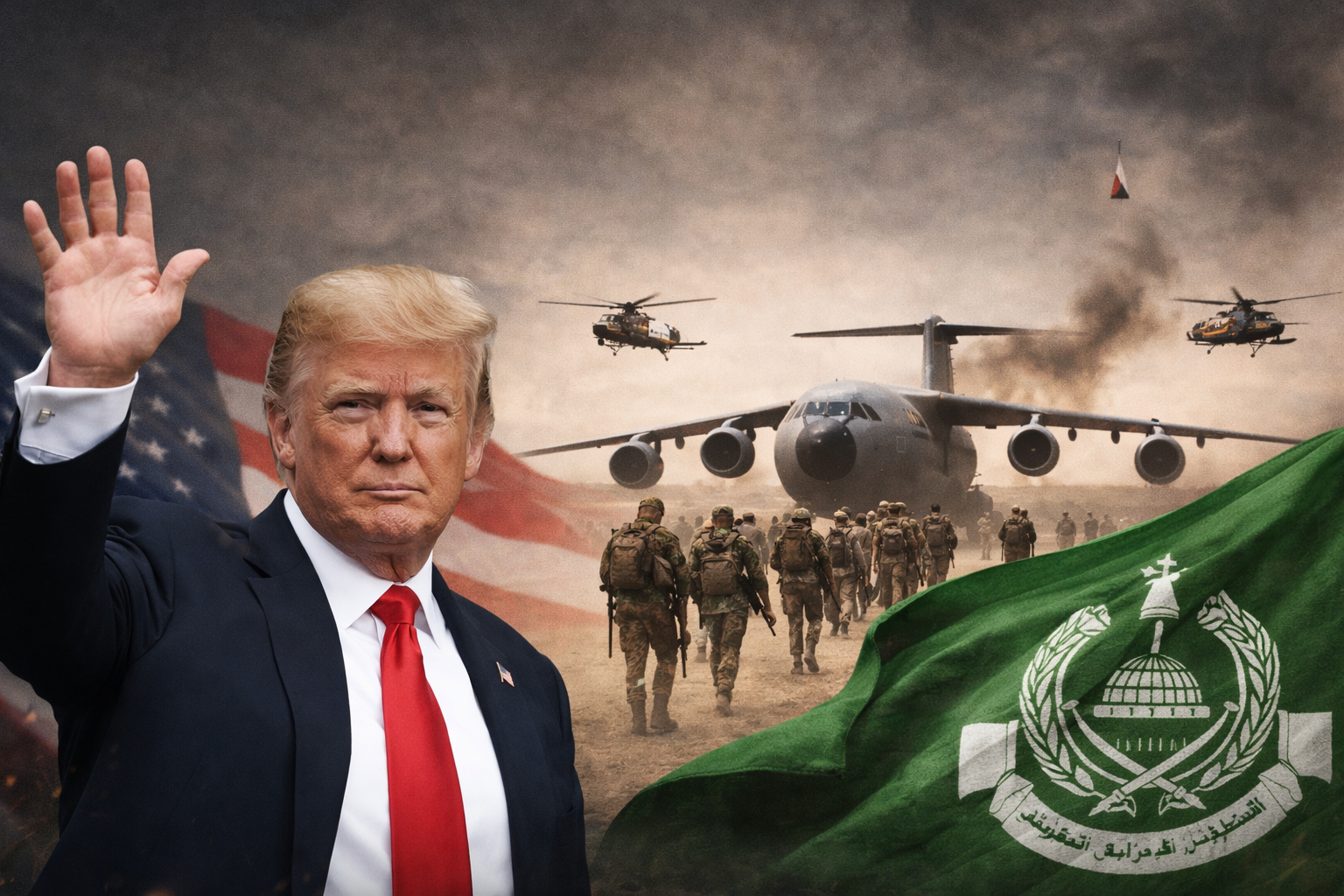
Iran declared the Strait of Hormuz open to commercial shipping on April 17, 2026, through a narrow five-mile corridor between Qeshm and Larak islands. President Trump simultaneously claimed Iran agreed to indefinitely suspend its nuclear program and hand over all highly enriched uranium produced by US and Israeli strikes. The US naval blockade remains in full force. Oil markets fell more than 10 percent. Iran has not publicly confirmed the nuclear suspension terms, and its deputy foreign minister conditioned continued Hormuz access on peace from Lebanon to the Red Sea.
ANALYSIS
Iranian Foreign Minister Abbas Araghchi announced April 17 that the Strait of Hormuz is 'completely open for the remaining period of ceasefire' via the designated Qeshm-Larak corridor, approximately 15 miles offshore. The announcement immediately drove crude oil down more than 10 percent, with the S&P 500 rising 0.7 percent and broader equity markets rallying. Trump claimed in concurrent media appearances that Iran agreed to 'never' close the Strait again and that the United States would recover all 'nuclear dust' created by B-2 bomber strikes on Fordow and Natanz. When directly asked whether Iran agreed to stop enriching uranium, Trump responded 'Yes' and said Iran had 'agreed to everything.'
Iran has not publicly confirmed these terms. The Islamabad Round 2 talks collapsed on April 12 precisely on enrichment duration: the US demanded a 20-year moratorium, Iran offered five years. Trump's April 14 rebuke of the US negotiating team for proposing a 20-year position reflects internal administration pressure to hold a harder line. The diplomatic gap that produced the Islamabad collapse has not been publicly bridged, raising the question of whether Trump's April 17 statements reflect a genuine Iranian commitment or an aspiration for a deal Trump believes is close.
Mines remain in sections of the Strait outside the designated corridor. Demining was described as an ongoing discussion at an international meeting in Paris. Trump claimed Iran is removing mines 'with the help of the USA,' but no independent verification exists. Iran's deputy foreign minister's demand for regional peace 'from Lebanon to the Red Sea' as a condition for sustained Hormuz access suggests Tehran views the corridor opening as a conditional, temporary concession rather than a permanent resolution. The US blockade announcement remaining 'in full force and effect' despite Hormuz reopening creates a legal and operational friction point: Iran has framed the continuing blockade as a ceasefire violation and threatened to close the Strait again if it is not lifted. The April 21 ceasefire expiry is the next hard deadline.
For American consumers, the 10 percent oil price decline represents significant relief after weeks of prices near 115 dollars per barrel. National gas average had been at 4.12 per gallon, up 38 percent since the war began. If the Hormuz corridor remains open through April 21 and the ceasefire extends, the price shock could moderate materially before the WPR May 1 deadline. The Trump administration's framing of this as a diplomatic victory ahead of that constitutional inflection point is clear.
SOURCES
