

Iran War Update: Hormuz “Soft Closure,” LNG Force Majeure, and Rising Cyber and Nuclear-Site Risk
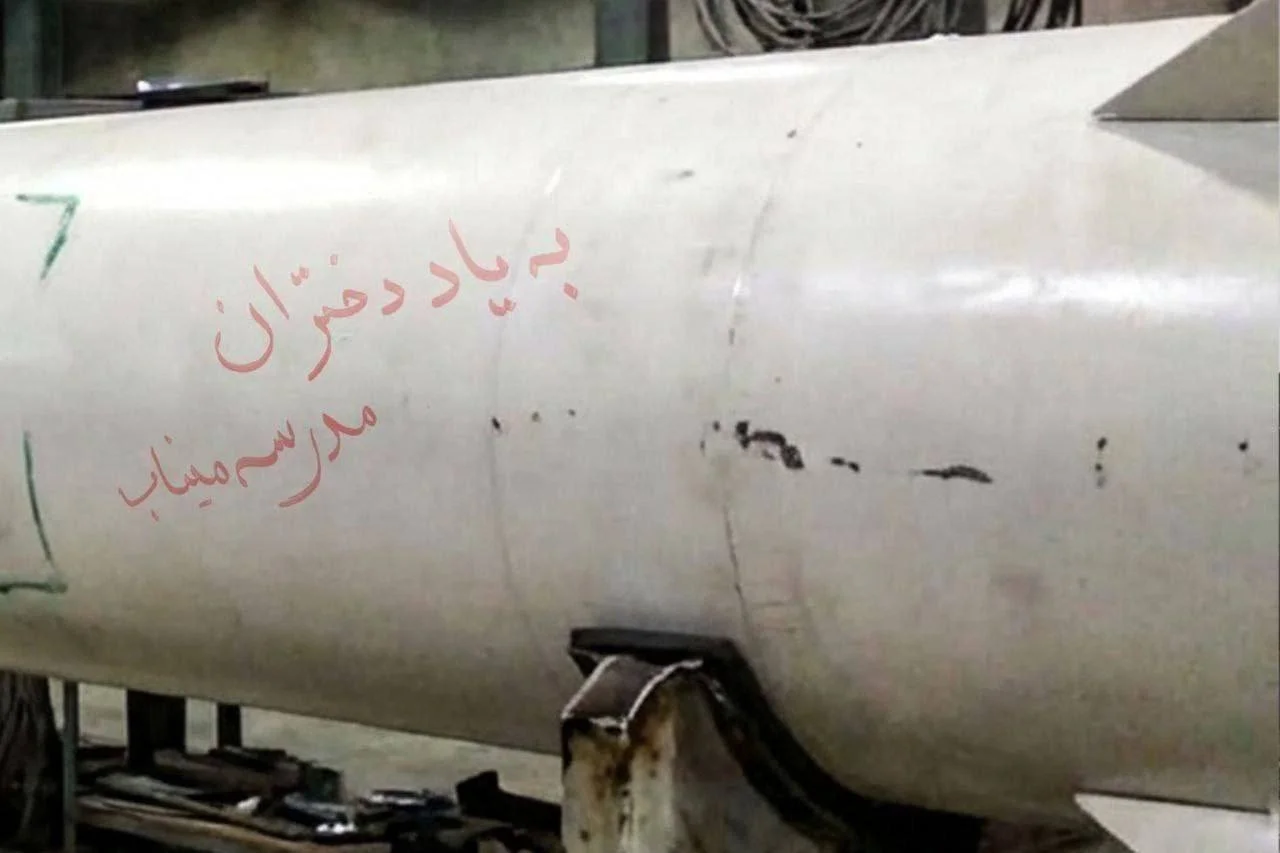
Source: Telegram
Executive Summary
The Iran war is now hitting the systems that keep the region moving: shipping insurance, LNG exports, and cross-border finance and cyber defenses. The Strait of Hormuz is not formally “closed,” but insurers pulling war-risk coverage is slowing traffic anyway, while Qatar’s LNG disruption is being treated as a weeks-long problem. Separately, nuclear-site status is narrowing to “limited but real” damage at Natanz’s entrances, and U.S. financial institutions are moving to a higher cyber alert posture.
Analysis
Shipping and Hormuz
Shipping is being throttled by paperwork, not a blockade. Multiple marine insurers have issued notices cancelling war-risk cover for operations in Iranian and Gulf waters, with effective dates around March 5. That has driven vessels to anchor and wait rather than transit, with reporting of damaged tankers and at least one seafarer death tied to incidents over the weekend. The practical effect looks like a “soft closure” of Hormuz: traffic slows, queues build, and shipping costs climb even if nobody declares the strait shut.
LNG: the fastest economic lever
QatarEnergy’s LNG situation has moved from “disrupted” to contract-level emergency language. Force majeure declarations and reporting that gas liquefaction shutdowns could take weeks to restart matter because LNG is not easy to replace on short notice. If crude can sometimes reroute, LNG often cannot. This is one of the quickest ways the war turns into a global energy and price shock.
Cyber: less dramatic than missiles, easier to scale
U.S. banks and large financial firms are on elevated alert for Iran-linked cyber activity. Some of what will show up publicly will be noisy “hacktivist” claims, but the risk worth watching is quieter: credential theft, disruption attempts against financial plumbing, and opportunistic attacks on vendors and managed service providers that can cascade.
Nuclear-site risk: “not a nuclear disaster,” but the line is moving
The IAEA’s public posture remains that there is no indication of damage at nuclear installations like Bushehr and the Tehran Research Reactor and no sign of cross-border radiological impact. At the same time, the IAEA has confirmed damage at Natanz focused on the entrances to the underground enrichment complex. That distinction matters. It keeps the situation below the “radiological emergency” threshold while still creating escalation fuel, because any further strikes near nuclear infrastructure can be interpreted as crossing a different kind of red line.
