

ISIS Shares Guide on Remote Detonation Systems as Part of Ongoing Technical Propaganda Campaign
Executive Summary
An ISIS-linked technical manual circulating online presents itself as a step-by-step guide for constructing remote detonation systems using consumer timers and basic electronic components. The document blends instructional imagery with ideological branding to signal credibility to would-be followers and lower the barrier for inexperienced recruits to support violent operations. While the manual contains unsafe, inaccurate, and incomplete electronic instructions, its existence demonstrates ISIS’s continued effort to disseminate do-it-yourself (DIY) tradecraft to dispersed supporters worldwide.
Analysis
The document represents a continuation of ISIS’s long-standing strategy of producing simplified, visually driven guides that present violence as accessible to low-skill actors. The branding, layout, and tone of the manual attempt to frame technical construction as routine and repeatable, even though the instructions are unprofessional and incomplete. The manual’s appearance underscores ISIS’s intent to keep potential adherents engaged by offering content that mimics structured training even as the group’s centralized capabilities degrade.
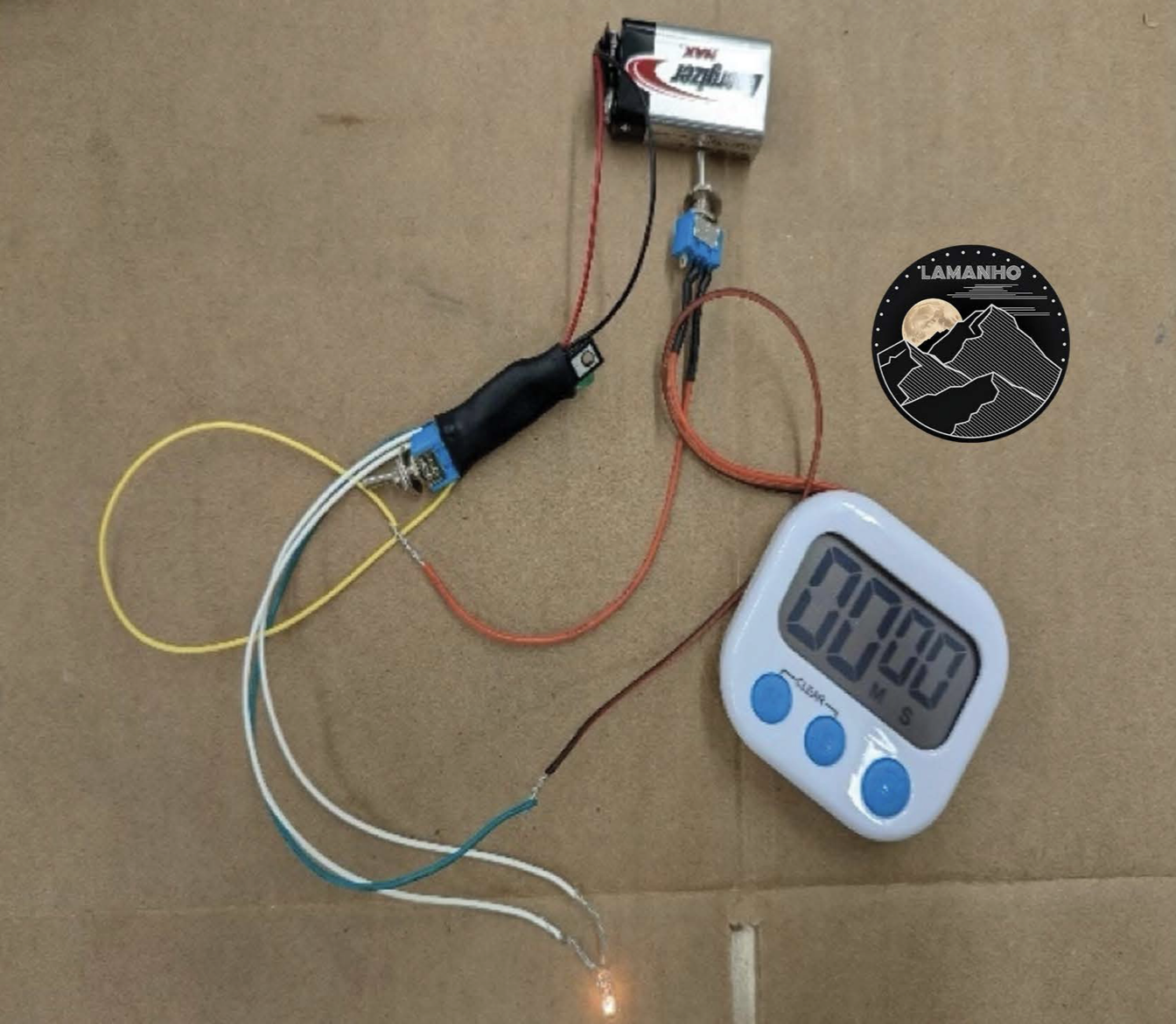
The first pages of the file show a cover featuring the phrase “Remote Detonation Systems” above a photograph of wires, a timer, and a battery, displaying the technical theme alongside the group’s insignia .
Subsequent pages outline “contents,” “overview,” “mobile phone,” and “timer” sections, using formatted headings and staged photographs to project legitimacy and familiarity with electronics while masking the dangerous and fundamentally unreliable nature of the instructions .
This type of publication serves several strategic functions for ISIS. It reinforces identity among dispersed supporters by offering “training” that suggests membership in a wider community. It allows the organization to claim continued operational relevance despite territorial losses. And it relies on the aspirational appeal of hands-on activity, which extremist groups historically use to reduce psychological barriers for inexperienced followers. These materials can also prompt law enforcement concern, as such guides have occasionally inspired individuals—particularly those with limited technical knowledge—to attempt hazardous or nonfunctional DIY constructions.
Sources
ISIS Remote Detonation Manual
