

Michigan Synagogue Ramming Confirmed Hezbollah-Inspired Terrorism, FBI Says
EXECUTIVE SUMMARY
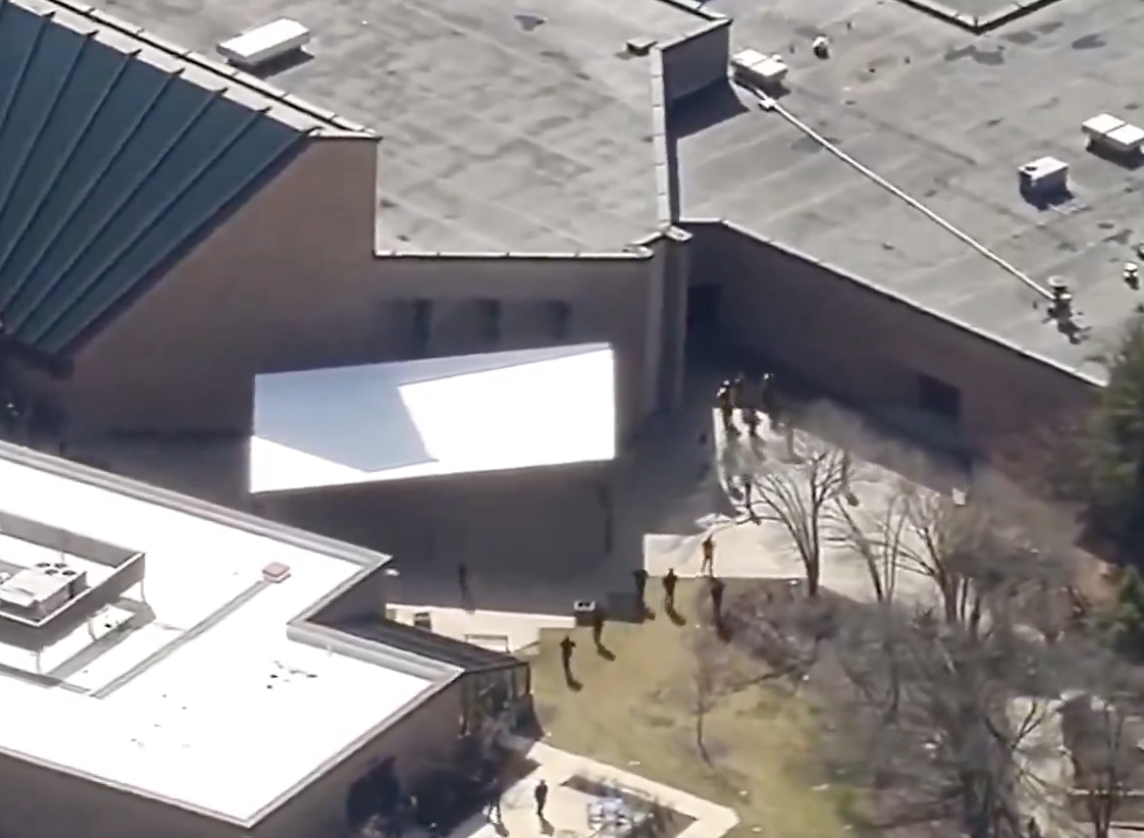
The FBI confirmed Monday that the March 12 vehicle ramming attack on Temple Israel in West Bloomfield, Michigan, constitutes a Hezbollah-inspired act of terrorism deliberately targeting the Jewish community. The attacker, Ayman Ghazali, a naturalized US citizen originally from Lebanon, drove a pickup truck into the building while more than 100 children were inside attending school, then fatally shot himself. No other deaths occurred. The FBI's Detroit Field Office held a press conference Monday morning to release the terrorism designation, one week before the full scope of Ghazali's planning and motivations was publicly confirmed.
ANALYSIS
Ghazali's attack was not spontaneous. Federal investigators say planning began days before the incident and intensified on March 9, three days prior to the ramming. A review of his online activity dating to January showed repeated searches for pro-Hezbollah and Iranian news outlets, videos related to gunfire and ammunition, and a pre-attack recording in which he stated he wanted to kill as many people as possible. Ghazali appeared in federal government databases as having connections to known or suspected terrorists associated with Hezbollah in Lebanon.
The timing is significant. One week before the attack, members of Ghazali's family in Lebanon, including two brothers, were killed in an Israeli airstrike during the second week of the US-Israeli conflict with Iran. The FBI has not characterized this as an operationally directed Hezbollah attack, but rather an inspired act, distinguishing it from command-and-control terrorism. The distinction matters for threat assessment: Hezbollah's reach into the Lebanese diaspora community appears capable of generating lethal, self-motivated violence in the US homeland even without direct operational tasking.
Temple Israel is described as the largest Jewish temple in Michigan. The choice of target during school hours, with over 100 children present, suggests Ghazali was seeking mass casualties. That he failed to kill anyone other than himself does not diminish the operational significance of the attack or the template it provides for future inspired actors. As the US-Iran conflict continues into its fifth week and Lebanese American and Lebanese-origin communities absorb casualty news from the Lebanon theater, the potential for further inspired attacks on Jewish community institutions warrants serious attention from field offices in cities with large Lebanese and Shia communities.
SOURCES
CNN: Michigan synagogue attack was Hezbollah-inspired act of terrorism, FBI says
ABC News: Michigan synagogue attacker committed Hezbollah-inspired act of terrorism
CBS News: Suspect lost family in Lebanon airstrike, sources say
Newsweek: Michigan Synagogue Attack was Hezbollah-Inspired Terrorism
Telegram: The Palestinian Observer (TPO), 30 Mar 2026 06:43 PM: Jewish synagogue targeted in Toronto
