

Palisades Restart Faces Grassroots Pushback Over Safety, Waste, and Equity
Executive Summary
A new zine circulating in West Michigan argues the Palisades nuclear plant restart is unsafe, inequitable, and rushed. It highlights unresolved hardware and spent fuel issues, questions Holtec’s plans, and frames the project as another example of environmental racism that burdens nearby marginalized communities and Indigenous lands that host waste. The publication lands as the state considers more public money for the restart and as Holtec advances toward refueling.
Analysis
Local activists are building a narrative of risk and injustice around the Palisades restart, blending site specific concerns with broader critiques of nuclear power, labor practices, and waste siting. The messaging ties technical problems to social impacts, which can broaden opposition beyond traditional antinuclear circles and complicate state support.
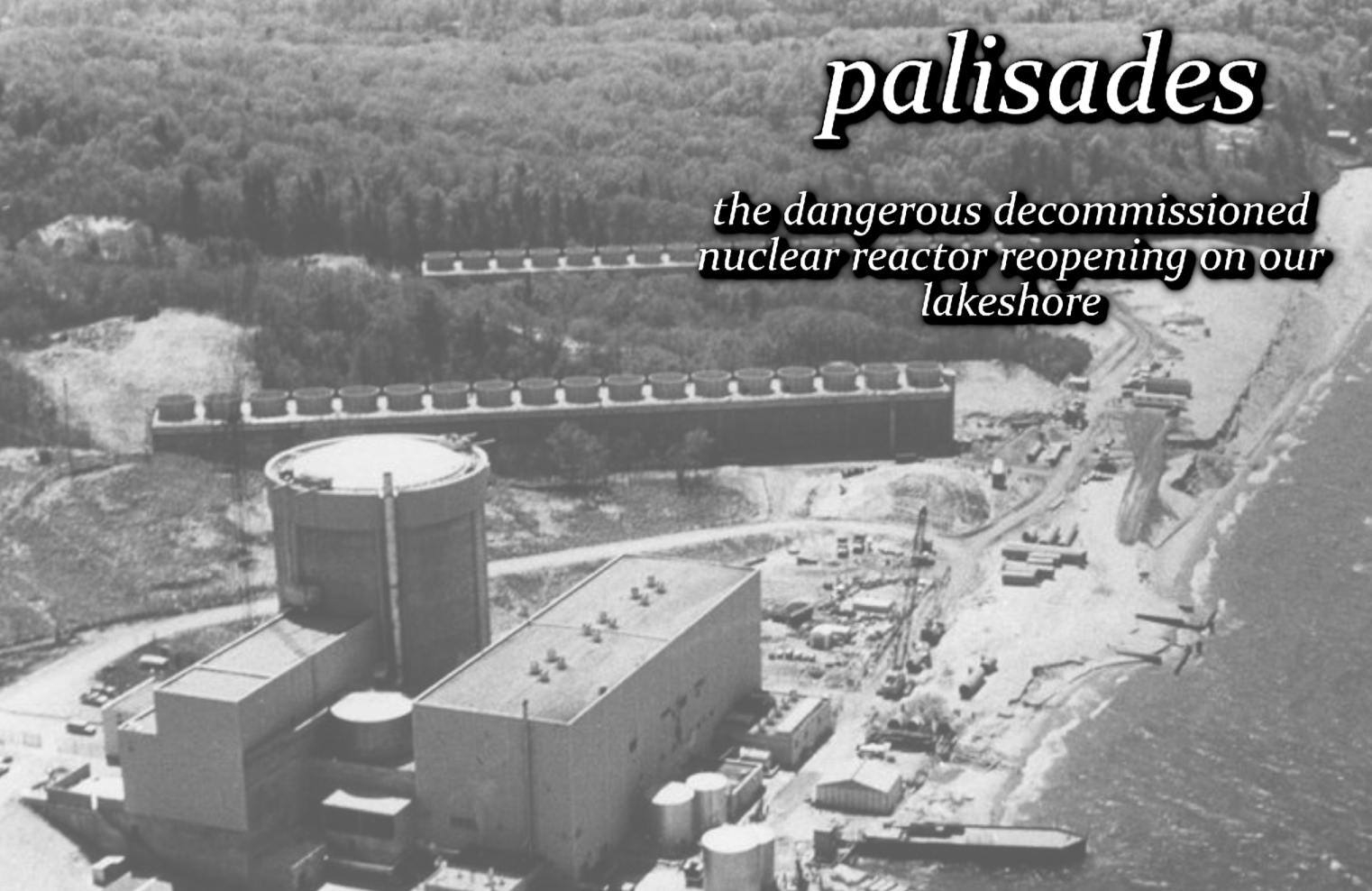
The zine says Palisades was shuttered in 2022 after long running safety problems and notes an early shutdown tied to a control rod seal, while warning that spent fuel sits on loose sand pads near Lake Michigan with past welding flaws and earthquake vulnerability still unresolved.
It alleges degraded steam generators were never fully addressed, and claims Holtec plans to sleeve, not replace, tubes while targeting a full reactor cycle before the end of 2025.
The authors frame Palisades as environmental racism, locating the plant in Covert Township near a historic Black community and arguing that long term waste solutions are repeatedly proposed near Indigenous lands, citing Yucca Mountain and Holtec’s HI-STORE concept in New Mexico.
The publication links labor and safety, warning that cost pressure can drive skeleton staffing and a weak safety culture, and argues that restart subsidies reflect corporate priorities over community health.
State level funding and federal financing are central to the restart path. Michigan’s governor proposed another 150 million dollars in state support, on top of a prior 150 million, contingent on a reported 1.5 billion dollar federal loan. Supporters pitch carbon free baseload and jobs, while critics warn of high lifecycle costs and unresolved waste liabilities. The zine’s broader “degrowth” framing will not sway all policymakers, but its specific claims about legacy hardware, cask pads, and proximity to Lake Michigan are likely to resonate with local officials, shoreline residents, and park users who see direct risk.
